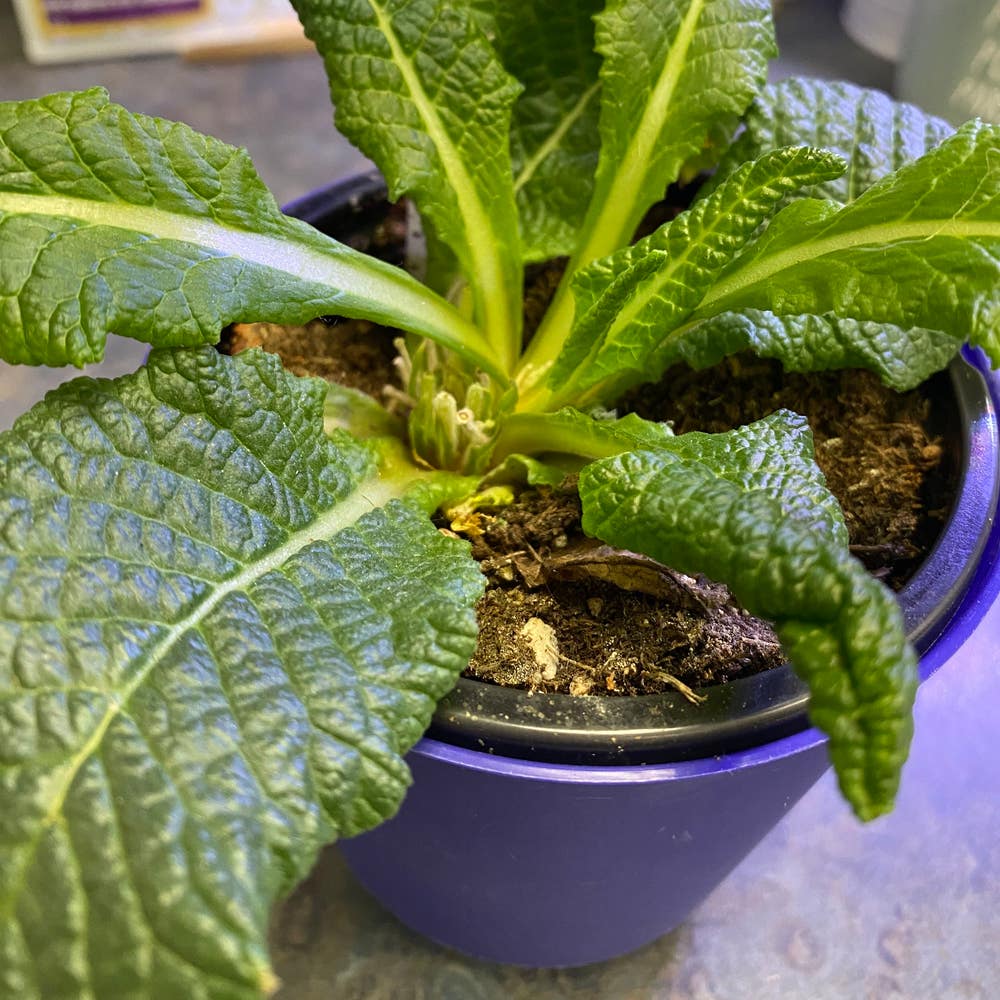
❄️ 10 Winter Care Mistakes to Avoid with Gold Lace Primrose
Primula polyantha 'Gold Lace'
By the Greg Editorial Team
Oct 04, 2024•6 min read
This article was created with the help of AI so we can cover more plants for you. May contain errors. See one? Report it here.
- 🌱 Gold Lace Primrose needs different care during evergreen and dormant phases.
- ❄️ Frost protection is crucial; use mulch and covers to safeguard your plant.
- 🚫💧 Avoid overwatering in winter to prevent yellow leaves and root rot.
Winter Behavior of Gold Lace Primrose
🌿 Characteristics of Evergreen vs. Dormant Phases
Gold Lace Primrose exhibits distinct characteristics during its evergreen and dormant phases. In the evergreen phase, it retains its lush foliage and vibrant colors, providing a splash of life even in the coldest months.
When transitioning to dormancy, the plant's needs change significantly. During this phase, watering and fertilization should be adjusted to prevent stress and ensure healthy recovery come spring.
❄️ Differences in Care for Evergreen vs. Dormant Phases
Understanding the differences in care is crucial for maintaining your Gold Lace Primrose. While evergreen plants require regular watering and occasional fertilization, dormant plants thrive on minimal moisture and nutrient input.
In winter, reduce watering frequency and avoid fertilizing altogether. This approach helps prevent root rot and ensures the plant conserves energy for the upcoming growth season.
By recognizing these phases and adjusting care accordingly, you can keep your Gold Lace Primrose healthy and vibrant throughout winter. This knowledge sets the stage for effective winter care practices, which we'll explore next.
Winter Care Practices
🌨️ Importance of Frost Protection
Gold Lace Primrose is surprisingly resilient, showcasing cold hardiness that allows it to endure low temperatures. However, protecting it from frost is crucial to ensure its health and vibrancy.
Methods of Frost Protection
- Mulching: Applying organic materials around the base helps insulate the roots against extreme cold.
- Covering Plants: Use frost cloths or burlap for added protection during harsh weather.
- Location Considerations: Planting in sheltered areas can significantly reduce frost exposure, enhancing survival rates.
💧 Adjusting Watering Schedules During Winter
During dormancy, Gold Lace Primrose requires less water than in the growing season. Adjusting your watering schedule is essential to prevent overwatering.
Watering Frequency
Aim to water every 2-3 weeks, but always check the moisture levels first.
Signs of Overwatering
Watch for yellowing leaves and root rot, which indicate too much moisture.
🌱 Fertilizing Considerations in Winter
Fertilization during winter needs careful management to avoid nutrient buildup.
Importance of Reducing Fertilization
Limiting fertilization prevents stress on the plant while it’s dormant.
Recommended Fertilizing Schedule
A light application of slow-release fertilizer in late winter can provide necessary nutrients as growth resumes.
Types of Fertilizers to Use
Opt for balanced NPK formulations that are suitable for hardy perennials, ensuring your Gold Lace Primrose gets the right nutrients without overwhelming it.
By following these winter care practices, you can help your Gold Lace Primrose thrive through the cold months, setting it up for a robust spring. Next, we’ll explore how to care for your plant indoors when the temperatures drop too low.
Indoor Winter Care
🌨️ When to Bring Gold Lace Primrose Indoors
As winter approaches, it's crucial to keep an eye on weather forecasts. If extreme cold or prolonged frost is predicted, it's time to consider bringing your Gold Lace Primrose indoors.
Aim to move your plant inside before the first hard frost hits. This proactive step can save your primrose from potential damage and ensure it thrives through the colder months.
🏠 Ideal Indoor Conditions for Wintering
Creating the right indoor environment is essential for your Gold Lace Primrose. Aim for a temperature range of 50°F to 65°F (10°C to 18°C) to keep your plant comfortable.
Light is another critical factor. Provide bright, indirect sunlight while avoiding direct heat sources like radiators. This balance helps maintain healthy growth without stressing the plant.
Humidity levels also play a significant role. Keeping moderate humidity can prevent leaf drop and maintain the plant's vibrancy. Consider using a humidity tray or misting occasionally to achieve the right balance.
By ensuring these conditions, your Gold Lace Primrose will be well-prepared to weather the winter indoors. Next, let’s explore how to prepare for spring growth after the winter season.
Spring Preparation
Signs of Recovery from Winter Damage 🌱
As winter fades, look for signs that your Gold Lace Primrose is bouncing back. New growth and vibrant foliage are strong indicators of health.
Check for any wilting or browning leaves, which can signal lingering damage. A thorough assessment will help you understand how well your plant has weathered the cold.
Preparing for Spring Growth 🌼
Once you’ve identified recovery signs, it’s time to prepare for spring growth. Start by pruning any dead or damaged foliage to encourage new life.
Timing is crucial; prune just before new growth begins. This rejuvenation technique helps the plant focus its energy on fresh leaves and blooms.
Adjust your care routines gradually as temperatures rise. Increase watering and fertilization slowly to support the plant's awakening without overwhelming it.
With these steps, your Gold Lace Primrose will thrive as spring unfolds. Transitioning from winter care to spring preparation sets the stage for a flourishing season ahead.
Common Winter Care Mistakes
Overwatering during dormancy 🌧️
Overwatering is a common pitfall for Gold Lace Primrose during its dormant phase. This can lead to root rot and fungal diseases, which can be detrimental to the plant's health.
Signs of overwatering include wilting leaves despite adequate moisture and mushy roots. If you notice these symptoms, it’s crucial to adjust your watering practices immediately.
Neglecting frost protection ❄️
Failing to provide adequate frost protection can have serious consequences. Risks include wilting, leaf drop, and overall decline of your Gold Lace Primrose.
To avoid these issues, regularly monitor weather conditions and implement best practices for frost protection. This may involve using mulch or covering your plants during extreme cold spells.
Incorrect fertilization timing ⏰
Fertilizing during dormancy can lead to nutrient imbalances and unnecessary stress on your plant. It’s essential to time your fertilization correctly to support healthy growth.
The recommended timing for fertilization is late winter or early spring, as growth resumes. This approach ensures your Gold Lace Primrose receives the nutrients it needs without the risks associated with winter fertilization.
As you navigate these common mistakes, remember that attentive care can make all the difference. With the right practices, your Gold Lace Primrose will thrive through the winter months and be ready for a vibrant spring.
Recovery from Winter Damage
Identifying Winter Damage 🌨️
Winter can be tough on Gold Lace Primrose, and recognizing the signs of damage is crucial. Look for browning leaves, stunted growth, and any root issues that may arise.
Assessing the extent of the damage involves checking root health and overall vigor. Gently remove the plant from its pot or the ground to inspect the roots for signs of rot or distress.
Steps for Recovery and Rejuvenation 🌱
Pruning Damaged Foliage: Timing is key here. Prune back any dead or damaged leaves to encourage new growth. Use clean, sharp tools to make precise cuts.
Adjusting Watering and Fertilization: Gradually reintroduce nutrients as the plant begins to recover. Start with light watering and a diluted fertilizer to avoid overwhelming the roots.
Monitoring Plant Health: Keep a close eye on your Gold Lace Primrose. Regular checks for signs of new growth and vitality will help you gauge its recovery progress.
By following these steps, you can help your Gold Lace Primrose bounce back from winter's harsh effects. Transitioning into spring with a healthy plant will set the stage for vibrant growth ahead.
⚠️ Safety First
This content is for general information and may contain errors, omissions, or outdated details. It is not medical, veterinary advice, or an endorsement of therapeutic claims.
Always consult a qualified healthcare professional before using any plant as food, medicine, or supplement.
Never eat any plant (or feed one to pets) without confirming its identity with at least two trusted sources.
If you suspect poisoning, call Poison Control (800) 222-1222, the Pet Poison Helpline (800) 213-6680, or your local emergency service immediately.
Spotted an error? Please report it here.
Keep your Gold Lace Primrose thriving this winter ❄️ by using Greg's tailored reminders to avoid common care mistakes and ensure a vibrant recovery come spring!