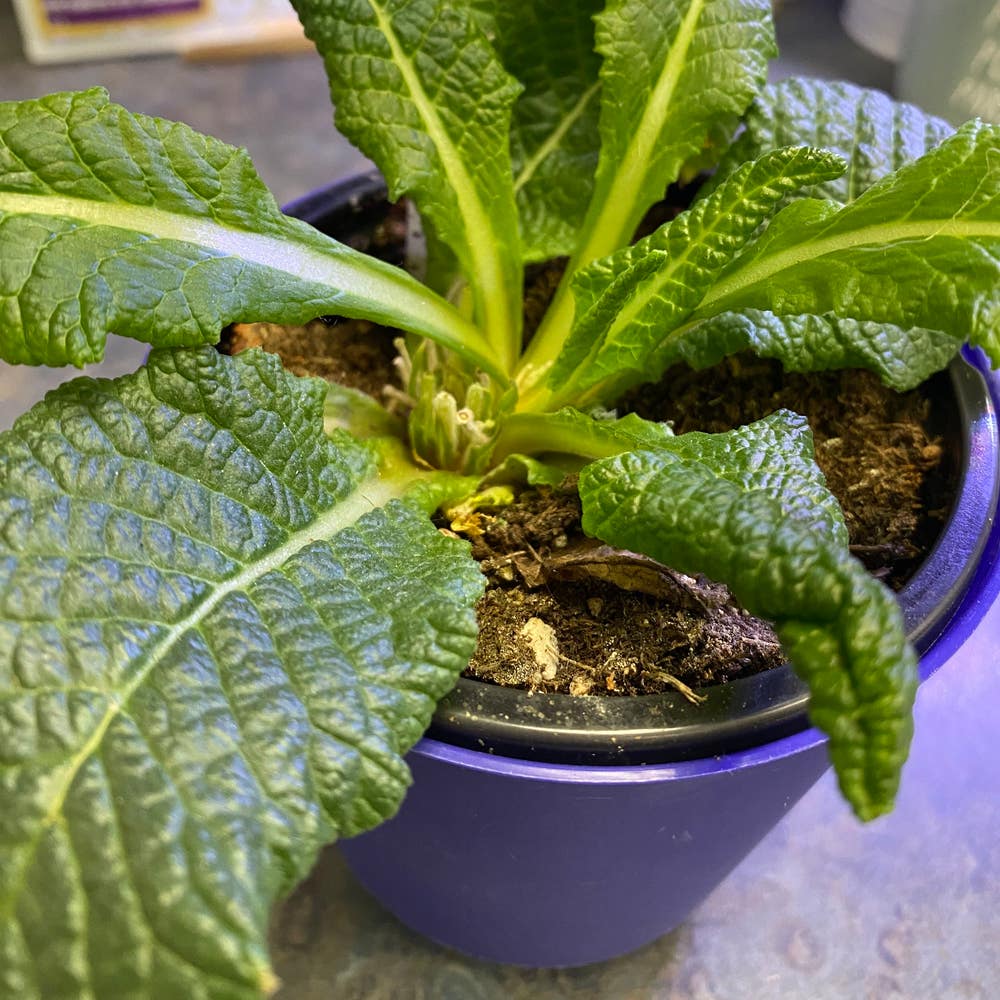
💧 9 Tips for Watering Your Gold Lace Primrose
Primula polyantha 'Gold Lace'
By the Greg Editorial Team
Oct 04, 2024•3 min read
This article was created with the help of AI so we can cover more plants for you. May contain errors. See one? Report it here.
- 💧 Water when the top inch of soil is dry for optimal Gold Lace Primrose growth.
- 🌱 Adjust watering frequency: every 5-7 days in summer, 10-14 in winter.
- 📱 Use the Greg Plant Care app for reminders and moisture tracking.
Watering Frequency
💧 Ideal Watering Schedule
To keep your Gold Lace Primrose thriving, water it when the top inch of soil feels dry. During spring and summer, aim for every 5-7 days, while in fall and winter, extend that to every 10-14 days.
Consistency is key. Establishing a routine not only simplifies care but also promotes optimal growth.
🚫 Recognizing Over-Watering
Symptoms of Over-Watering
Watch for yellowing leaves, which signal stress and potential root rot. If your plant wilts despite moist soil, it may be suffering from root suffocation.
Additionally, mold or fungus on the soil surface indicates excessive moisture. These signs are crucial for maintaining your plant's health.
How to Remedy Over-Watering
- Assess drainage: Ensure your pots have adequate drainage holes.
- Adjust watering schedule: Reduce frequency and allow the soil to dry out.
- Repotting: If you suspect root rot, remove affected roots and replant in fresh, dry soil.
🚰 Recognizing Under-Watering
Symptoms of Under-Watering
Drooping leaves are a clear sign of dehydration. If the soil is dry and crumbly, it indicates a lack of moisture.
Browning leaf edges are another common symptom of stress from insufficient water. Recognizing these signs early can save your plant.
How to Remedy Under-Watering
- Water thoroughly: Soak the soil until water drains from the bottom.
- Establish a consistent watering schedule: Use the Greg Plant Care app for reminders.
- Monitor closely: Regularly check moisture levels to prevent recurrence.
🌊 Watering Techniques
Bottom-Watering Method
This technique encourages deep root growth by watering from the bottom.
Steps for bottom-watering:
- Fill a tray with water.
- Place the pot in the tray and allow it to absorb moisture for 30 minutes.
- Remove the pot and let excess water drain.
Bottom-watering reduces the risk of over-watering and promotes healthy root systems.
Self-Watering Pots
Self-watering pots are designed to maintain consistent moisture levels.
Advantages:
- They reduce the frequency of watering.
- They help prevent both over-watering and under-watering.
For best results, choose pots with a reservoir and wicking system.
📏 Measuring Soil Moisture
Tools for Measuring Moisture Levels
Utilize a soil moisture meter for accurate readings.
You can also perform a finger test by inserting your finger into the soil up to the second knuckle.
Another method is the weight test: lift the pot to gauge moisture based on weight.
How to Check Moisture Levels Manually
- Use the finger test to check the top inch of soil for dryness.
- Observe soil color: darker soil indicates moisture, while lighter soil suggests dryness.
- Assess plant health by looking for signs of stress, like yellowing or drooping leaves.
📱 Using the Greg Plant Care App
Setting Reminders for Watering
Setting up reminders is simple: input your plant type and desired watering frequency.
This helps maintain a consistent watering schedule, ensuring your Gold Lace Primrose gets the care it needs.
Tracking Moisture Levels with the App
The app allows you to log moisture readings and receive alerts for watering needs.
This feature is essential for optimal care, preventing both over and under-watering.
By following these watering tips, you'll ensure your Gold Lace Primrose remains vibrant and healthy. Next, let’s explore the best soil types for your plant!
⚠️ Safety First
This content is for general information and may contain errors, omissions, or outdated details. It is not medical, veterinary advice, or an endorsement of therapeutic claims.
Always consult a qualified healthcare professional before using any plant as food, medicine, or supplement.
Never eat any plant (or feed one to pets) without confirming its identity with at least two trusted sources.
If you suspect poisoning, call Poison Control (800) 222-1222, the Pet Poison Helpline (800) 213-6680, or your local emergency service immediately.
Spotted an error? Please report it here.
Keep your Gold Lace Primrose thriving 🌼 by using Greg's personalized reminders to master your watering routine with these expert tips!