What's Eating Your Crassula 'Hobbit' 🐞
Crassula ovata 'Hobbit'
By the Greg Editorial Team
Nov 24, 2024•5 min read
This article was created with the help of AI so we can cover more plants for you. May contain errors. See one? Report it here.
Safeguard your beautiful Crassula 'Hobbit' from hungry herbivores with these clever protection strategies! 🛡️🌱
- 🌱 Crassula 'Hobbit' attracts herbivores like deer, rabbits, and squirrels; protect it wisely!
- 🚫 Use repellents and barriers to deter common garden pests from your Crassula 'Hobbit'.
- 🔍 Regular monitoring for animal activity is key to maintaining your plant's health.
Appearance and Appeal
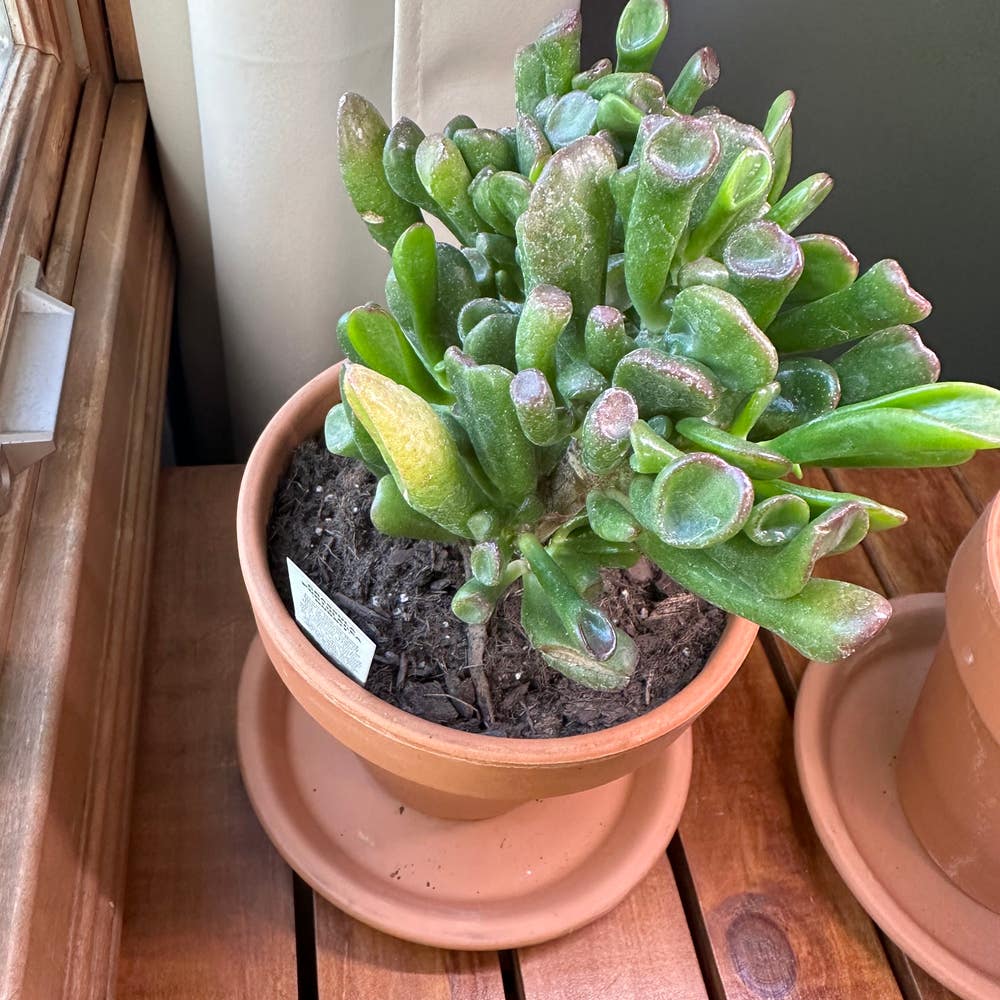
Crassula 'Hobbit' is a stunning succulent that captivates with its thick, fleshy, and glossy leaves. These vibrant green leaves create a lush appearance that can brighten any garden.
🌸 Flowering Beauty
In late summer, this plant produces attractive clusters of small, star-shaped flowers. Their delicate blooms add a charming touch, making Crassula 'Hobbit' a favorite among gardeners.
🐾 Animal Attraction
Certain parts of the Crassula 'Hobbit' are particularly appealing to animals.
Young Shoots
The tender and moist young shoots are irresistible to herbivores. Their succulent texture makes them a prime target for hungry critters.
Fragrant Flowers
The bright and fragrant flowers not only attract pollinators but also herbivores. This dual appeal can lead to increased visits from various animals.
Sweet Fruits
If fruits are present, their sweetness can draw in even more animals. This makes Crassula 'Hobbit' a delightful, albeit vulnerable, addition to your garden.
Understanding the beauty and appeal of Crassula 'Hobbit' is essential for effective garden management. As we explore the common herbivores that affect this plant, you'll learn how to protect your prized succulent from potential threats.
Common Herbivores Affecting Crassula 'Hobbit'
🦌 Deer
Signs of presence and damage caused
Deer can be a significant threat to your Crassula 'Hobbit'. Look for hoof prints in the soil around the plant and notice if leaves and young shoots have been stripped away.
Beneficial vs. harmful interactions
While deer may seem harmless, they can decimate your Crassula population if not managed effectively. Their browsing habits can lead to severe damage.
Deterrent methods
To keep deer at bay, consider using commercial deer repellents that have strong scents. Alternatively, planting deer-resistant companion plants or scattering human hair around your garden can serve as effective organic deterrents.
🐇 Rabbits
Signs of presence and damage caused
Rabbits leave telltale signs of their presence, such as small, round droppings near your plants. You might also notice cleanly cut leaves and stems, often at a 45-degree angle.
Beneficial vs. harmful interactions
Rabbits are generally harmful to your Crassula 'Hobbit', as they can significantly reduce the plant's vigor and overall aesthetics. Their nibbling can lead to a less vibrant garden.
Deterrent methods
For an easy solution, apply bitter-tasting sprays to deter rabbits. Fencing your plants with at least a 2-foot high barrier or using repellents like cayenne pepper can also help keep these critters away.
🐿️ Squirrels
Signs of presence and damage caused
Squirrels can wreak havoc on your Crassula 'Hobbit' by digging around the base of the plant. Look for chewed leaves and flowers, often left in disarray.
Beneficial vs. harmful interactions
These furry bandits are generally harmful, leading to significant plant damage and stress. Their antics can leave your garden looking chaotic.
Deterrent methods
To deter squirrels, consider using commercial squirrel repellents. You can also try organic methods like motion-activated sprinklers or placing reflective objects around your garden to confuse them.
🐦 Birds
Signs of presence and damage caused
Birds can be both friends and foes. Look for small holes pecked into leaves and flowers, as well as nearby nests indicating frequent visits.
Beneficial vs. harmful interactions
While birds can damage your plants, they also help control insect populations. This mixed relationship means you might need to balance their presence in your garden.
Deterrent methods
To protect your plants, use bird-safe repellents. Hanging reflective tape or using decoys like plastic owls can also help keep birds at a distance.
🐭 Rodents (mice, voles, etc.)
Signs of presence and damage caused
Rodents can be sneaky intruders. Look for small holes in the ground near your plants and gnawed stems and roots, which can lead to plant instability.
Beneficial vs. harmful interactions
Rodents are generally harmful, causing severe damage and root loss. Their presence can threaten the health of your Crassula 'Hobbit'.
Deterrent methods
For a more challenging problem, consider using rodent bait stations as a chemical deterrent. Organic methods like traps and planting deterrent plants like mint can also help manage these pests.
In conclusion, understanding the common herbivores that affect your Crassula 'Hobbit' is crucial for maintaining its health. By implementing effective deterrent methods, you can protect your plants and enjoy their beauty for years to come. Next, let's explore general strategies for protecting your beloved Crassula from these herbivorous threats.
General Strategies for Protection
🛡️ Preventive Measures for Protecting Crassula 'Hobbit'
To keep your Crassula 'Hobbit' safe from hungry herbivores, consider strategic plant placement. Positioning your succulent in less accessible areas of the garden can deter many animals.
Companion planting is another effective tactic. Surrounding your Crassula with plants that naturally repel herbivores can create a protective barrier.
⚠️ Reactive Solutions for Managing Animal Interactions
Regular monitoring is crucial for maintaining the health of your Crassula 'Hobbit'. Check for signs of animal activity and damage frequently to catch any issues early.
When you notice signs of herbivore presence, take immediate action. Implementing deterrents right away can help safeguard your plant from further harm.
🌱 Seasonal Variations in Animal Attraction to Crassula 'Hobbit'
Be aware that animal activity varies with the seasons. In spring, rabbits and deer become more active as they seek out fresh growth, making your Crassula particularly vulnerable.
By late summer, birds are drawn to the flowers and potential seeds. Understanding these patterns can help you prepare and protect your plants effectively.
Toxicity and Safety
☠️ Discussion of Any Toxic Effects of Crassula 'Hobbit' on Animals
Fortunately, Crassula 'Hobbit' is generally non-toxic. However, if consumed in large quantities, it may cause mild gastrointestinal upset in some animals.
🐾 Implications for Herbivores Consuming the Plant
Being aware of this mild toxicity can aid gardeners in managing animal interactions. It’s a helpful insight that can inform your approach to protecting your beloved Crassula while ensuring the safety of local wildlife.
With these strategies in mind, you can enjoy your Crassula 'Hobbit' while minimizing the impact of herbivores. Next, let’s explore the common herbivores that may be affecting your plant.
⚠️ Safety First
This content is for general information and may contain errors, omissions, or outdated details. It is not medical, veterinary advice, or an endorsement of therapeutic claims.
Always consult a qualified healthcare professional before using any plant as food, medicine, or supplement.
Never eat any plant (or feed one to pets) without confirming its identity with at least two trusted sources.
If you suspect poisoning, call Poison Control (800) 222-1222, the Pet Poison Helpline (800) 213-6680, or your local emergency service immediately.
Spotted an error? Please report it here.
Keep your Crassula 'Hobbit' thriving 🌱 by using Greg's personalized care tips and reminders to fend off pesky herbivores and enjoy its beauty all season long!