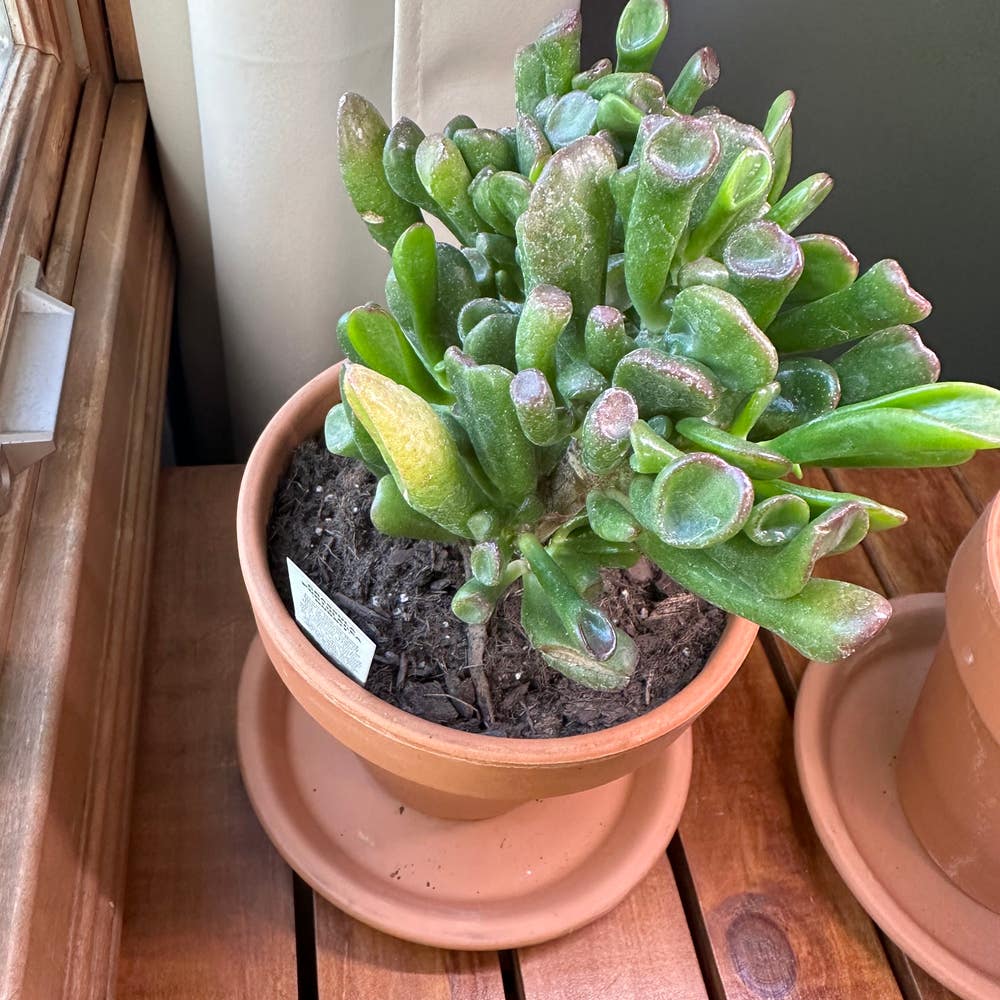
10 Factors Affecting Crassula 'Hobbit' Flowering 🌼
Crassula ovata 'Hobbit'
By the Greg Editorial Team
Nov 24, 2024•3 min read
This article was created with the help of AI so we can cover more plants for you. May contain errors. See one? Report it here.
Revive your Crassula 'Hobbit' blooms 🌸 with expert tips to tackle common flowering problems and ensure vibrant growth!
- 🌞 Bright, indirect sunlight is crucial for Crassula 'Hobbit' to bloom effectively.
- 💧 Consistent watering and drainage prevent root rot and promote healthy flowering.
- 🌱 Nutrient balance and high-phosphorus fertilizers enhance flower development in Crassula 'Hobbit'.
Common Flowering Problems
🌼 Failure to Bloom: Causes and Solutions
Crassula 'Hobbit' can be a stubborn bloomer if not given the right conditions. The primary culprits for failure to bloom include insufficient light, nutrient deficiencies, and improper watering practices.
To encourage blooming, start by adjusting light exposure. Ensure your plant receives bright, indirect sunlight for several hours each day. Additionally, fertilize appropriately with a high-phosphorus fertilizer to support flower development. Establishing a consistent watering schedule is crucial; water when the top inch of soil feels dry to the touch.
🌸 Premature Flower Drop: Identifying Triggers and Remedies
Experiencing premature flower drop can be disheartening. Common triggers include environmental stressors, overwatering, and sudden temperature fluctuations.
To remedy this, stabilize your plant's environment by keeping it in a consistent temperature range. Reduce watering frequency to prevent soggy soil, and ensure proper drainage to avoid root issues. These adjustments can help your Crassula 'Hobbit' maintain its blooms longer.
🌺 Abnormal Flower Development: Understanding the Issues
If your Crassula 'Hobbit' is producing abnormal flowers, it may be due to nutrient imbalances, pest infestations, or inadequate light conditions. These factors can lead to distorted blooms that fail to impress.
To address these issues, monitor nutrient levels closely and inspect your plant for any signs of pests. Adjusting light conditions can also promote healthier flower development. With the right care, your plant can flourish and produce beautiful blooms.
By understanding these common flowering problems, you can take proactive steps to ensure your Crassula 'Hobbit' thrives. Next, let’s explore the various factors that affect flowering, starting with light conditions.
Factors Affecting Flowering
🌞 Light Conditions
Adequate light is crucial for Crassula 'Hobbit' to bloom beautifully. This succulent thrives in bright, indirect sunlight, which stimulates healthy growth and flowering.
Too much or too little light can lead to problems. If your plant has elongated stems and pale leaves, it’s a sign it’s not getting enough light.
🌱 Nutritional Needs
Fertilizers play a significant role in flower development. Using high phosphorus fertilizers can significantly boost flowering and overall plant health.
Watch for signs of nutrient deficiencies, such as yellowing leaves and stunted growth. These symptoms indicate that your plant may need a nutrient boost to thrive.
💧 Watering Practices
Watering practices can make or break your flowering success. Overwatering can lead to root rot, while underwatering stresses the plant and inhibits blooming.
To ensure optimal conditions, water thoroughly when the top inch of soil is dry. During dormancy, reduce watering frequency to prevent excess moisture.
✂️ Pruning Techniques
Pruning is a powerful tool for enhancing flower production. Proper pruning encourages new growth and helps redirect the plant's energy towards flowering.
The best time to prune Crassula 'Hobbit' is after flowering. Use clean, sharp scissors to make precise cuts, promoting healthy growth for the next blooming cycle.
Understanding these factors can significantly impact your Crassula 'Hobbit's flowering potential. With the right light, nutrients, watering, and pruning techniques, you can enjoy a vibrant display of blooms. Next, let's explore common flowering problems that may arise despite your best efforts.
⚠️ Safety First
This content is for general information and may contain errors, omissions, or outdated details. It is not medical, veterinary advice, or an endorsement of therapeutic claims.
Always consult a qualified healthcare professional before using any plant as food, medicine, or supplement.
Never eat any plant (or feed one to pets) without confirming its identity with at least two trusted sources.
If you suspect poisoning, call Poison Control (800) 222-1222, the Pet Poison Helpline (800) 213-6680, or your local emergency service immediately.
Spotted an error? Please report it here.
Unlock vibrant blooms for your Crassula 'Hobbit' 🌼 by using Greg's tailored care reminders and nutrient tracking to keep your plant thriving and flowering beautifully!