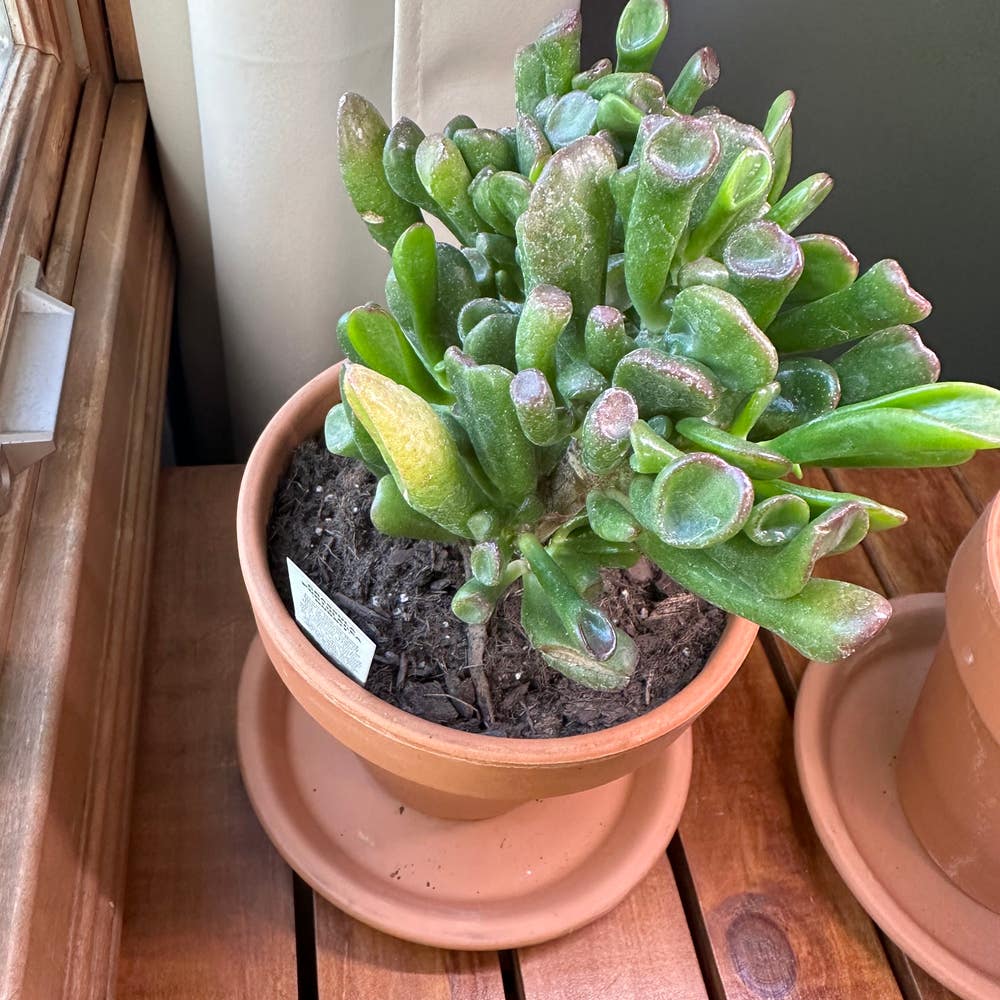
Expected Size of Your Crassula 'Hobbit' 🧙♂️
Crassula ovata 'Hobbit'
By the Greg Editorial Team
Nov 24, 2024•6 min read
This article was created with the help of AI so we can cover more plants for you. May contain errors. See one? Report it here.
Transform your space with Crassula 'Hobbit' 🌱 by mastering its growth for stunning indoor and outdoor displays!
- 🌱 Crassula 'Hobbit' grows 12-18 inches tall and 12-24 inches wide under optimal conditions.
- ☀️ Full sun exposure promotes faster growth, while shade keeps it compact.
- 💧 Proper watering and well-draining soil are crucial for healthy growth.
Mature Height and Spread
Typical Dimensions 🌱
Crassula 'Hobbit' typically reaches a mature height of 12 to 18 inches. Its spread can vary from 12 to 24 inches, making it a compact yet visually appealing addition to any garden or indoor space.
Growth Habit 🌳
This succulent features a unique, tree-like structure that adds character to your plant collection. Understanding its dimensions is crucial for effective space planning, whether you're arranging a garden bed or finding the perfect spot indoors.
By knowing the expected size of your Crassula 'Hobbit', you can ensure it thrives without overcrowding other plants. This foresight helps maintain a balanced aesthetic in your green space.
Growth Rate and Time to Reach Full Size
🌱 Crassula Growth Rate
Crassula 'Hobbit' boasts a moderate growth rate, typically taking about 2-3 years to reach its full size under optimal conditions. This timeframe allows for a compact, tree-like structure that can thrive in various settings.
⚡️ Factors Influencing Growth Rate
Several factors can significantly impact the growth speed of your Crassula 'Hobbit'.
☀️ Light Exposure
Light is crucial; full sun encourages faster growth compared to partial shade.
💧 Watering Practices
Watering frequency also plays a role. Overwatering can stunt growth, while underwatering may lead to stress.
🌍 Soil Conditions
The type of soil matters too. Well-draining soil promotes healthy growth, while heavy soils can hinder development.
🏡 Indoor vs. Outdoor Growth Rates
When comparing growth rates, indoor plants often grow slower than their outdoor counterparts. This difference is primarily due to variations in light availability and environmental conditions.
Understanding these factors can help you create the ideal environment for your Crassula 'Hobbit'. By optimizing light, water, and soil conditions, you can ensure your plant reaches its full potential in a timely manner.
Next, let’s explore how different growing conditions can lead to size variability in your Crassula 'Hobbit'.
Size Variability Based on Growing Conditions
🌱 Environmental Effects on Size
The size of your Crassula 'Hobbit' can vary significantly based on its growing conditions. Key factors include light exposure, watering frequency, and soil type.
Light Exposure
Crassula 'Hobbit' thrives in full sun, which encourages robust growth. In contrast, partial shade can lead to a more compact plant with reduced height and spread.
Watering Frequency
Overwatering can stunt growth and cause root rot, while underwatering may lead to stress and smaller dimensions. Finding the right balance is crucial for optimal size.
Soil Type
Well-draining soil is essential for healthy growth. Heavy soils can retain too much moisture, negatively impacting the plant's overall size and health.
📏 Observations on Size Variability
Different growing conditions can lead to noticeable variations in height and spread. For instance, a Crassula 'Hobbit' basking in bright sunlight may reach its maximum height of 18 inches, while one in shadier conditions might only grow to 12 inches.
Growers often share anecdotes about their experiences with size differences. Some have reported that their plants flourished in sandy, well-draining soil, while others struggled in heavier mixes. These real-world observations highlight the importance of tailoring care to your specific environment.
Understanding these factors not only helps you appreciate your plant's growth but also empowers you to create the ideal conditions for your Crassula 'Hobbit' to thrive.
As we explore further, let's delve into how Crassula 'Hobbit' compares with both dwarf and giant varieties.
Comparison with Dwarf and Giant Varieties
Dwarf Varieties 🌱
Dwarf varieties of Crassula are perfect for those who want a compact succulent that stays smaller than the Crassula 'Hobbit.' These plants typically reach heights of 6-12 inches, making them ideal for small spaces or container gardens.
Some popular dwarf varieties include:
- Crassula 'Buddha's Temple': This variety features a unique stacked appearance and can grow up to 8 inches tall.
- Crassula 'Miniature': True to its name, it remains under 6 inches, making it a delightful addition to any tabletop or windowsill.
These dwarf varieties not only offer a different aesthetic but also require similar care, making them easy to integrate into your existing succulent collection.
Giant Varieties 🌳
On the other end of the spectrum, giant varieties of Crassula can exceed the dimensions of Crassula 'Hobbit' significantly. These plants can grow 24 inches tall or more, providing a striking focal point in any garden or indoor setting.
Examples of giant varieties include:
- Crassula ovata (Jade Plant): Known for its thick, fleshy leaves, this variety can reach heights of up to 3 feet under optimal conditions.
- Crassula 'Gollum': This unique variety can grow up to 2 feet tall and features tubular leaves that resemble fingers.
Caring for these larger varieties often requires more space and attention to their growth habits. They may need more frequent watering and larger pots to accommodate their extensive root systems.
Understanding the differences between dwarf and giant varieties can help you choose the right Crassula for your space. Whether you prefer the compact charm of dwarfs or the bold presence of giants, each type brings its own unique flair to your plant collection.
As you consider your options, think about how each variety fits into your overall gardening goals and space limitations.
Controlling Size
✂️ Pruning Techniques
Pruning is essential for managing the size of your Crassula 'Hobbit'. It helps maintain a compact shape and encourages healthy growth.
To prune effectively, follow these simple steps:
- Identify areas for pruning, focusing on overgrown stems or branches.
- Use clean, sharp tools to make precise cuts.
- Remove no more than one-third of the plant at a time to avoid stressing it.
🪴 Tips for Managing Growth Through Pot Size and Soil Choice
Choosing the right pot size is crucial for controlling root growth. A pot that’s too large can lead to excessive growth, while a snug fit encourages a more manageable size.
Soil choice also plays a significant role. Opt for well-draining soil to prevent water retention, which can cause the plant to grow larger than desired.
📅 Seasonal Considerations for Size Control
Timing your pruning is key. The best times to prune your Crassula 'Hobbit' are early spring or late winter, just before the growing season kicks in.
Adjust your care practices based on seasonal growth patterns. During active growth periods, be mindful of how much you water and fertilize to keep size in check.
🌱 Impact of Fertilization on Growth and Size
Fertilization can either promote or limit growth, depending on how you approach it. A balanced fertilization strategy will help control size while ensuring your plant remains healthy.
Aim for a well-rounded fertilizer that supports steady growth without encouraging excessive size. This balance will keep your Crassula 'Hobbit' looking its best without overwhelming your space.
By implementing these techniques, you can effectively manage the size of your Crassula 'Hobbit', ensuring it thrives in your garden or home. Next, let’s explore how this variety compares with dwarf and giant varieties.
⚠️ Safety First
This content is for general information and may contain errors, omissions, or outdated details. It is not medical, veterinary advice, or an endorsement of therapeutic claims.
Always consult a qualified healthcare professional before using any plant as food, medicine, or supplement.
Never eat any plant (or feed one to pets) without confirming its identity with at least two trusted sources.
If you suspect poisoning, call Poison Control (800) 222-1222, the Pet Poison Helpline (800) 213-6680, or your local emergency service immediately.
Spotted an error? Please report it here.
Maximize your Crassula 'Hobbit's growth potential 🌱 by using Greg's tailored watering reminders and light exposure tips to create the perfect environment for your succulent!