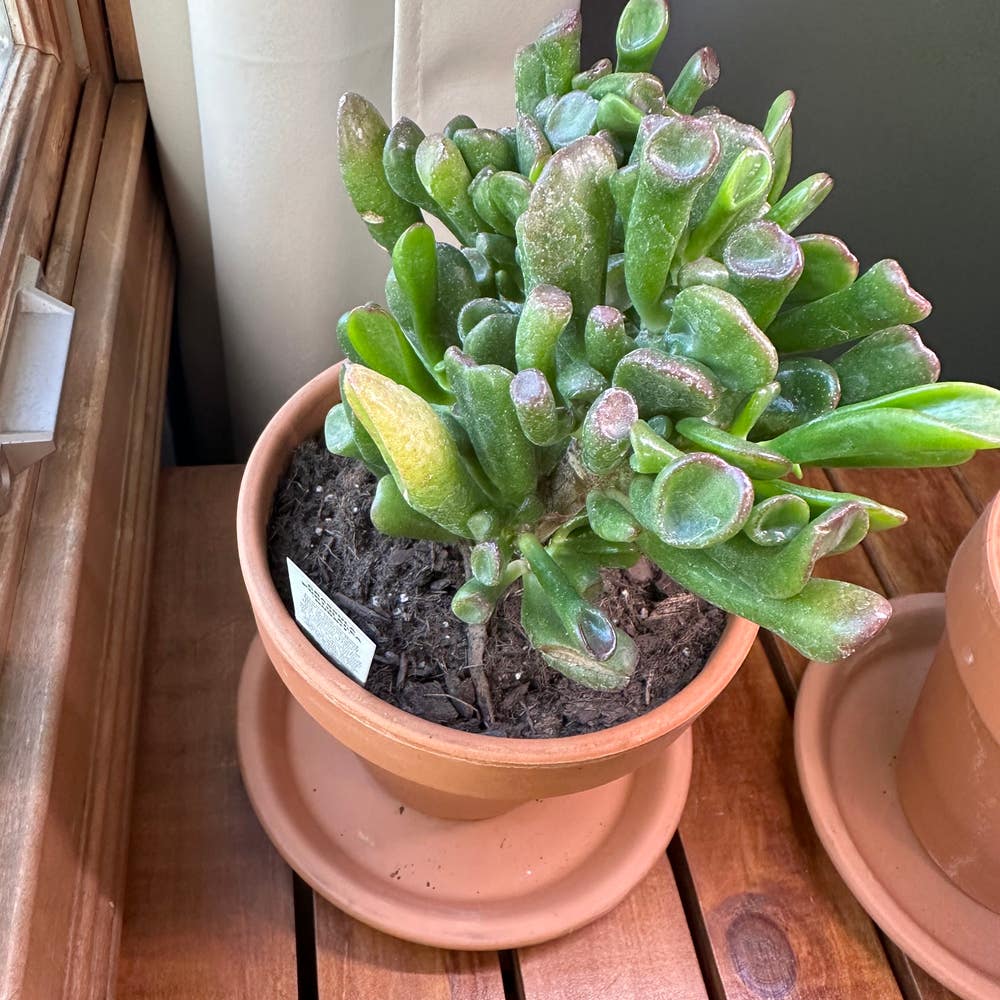
🐞 What Are The Bugs on My Hobbit Jade?
Crassula ovata 'Hobbit'
By the Greg Editorial Team
Feb 11, 2024•5 min read
This article was created with the help of AI so we can cover more plants for you. May contain errors. See one? Report it here.
Safeguard your cherished Hobbit Jade 🌿 from tiny invaders with expert pest-busting tips!
- Webbing and stippling? Spider mites! Use neem oil or soap.
- Sticky leaves? Scale insects! Try alcohol or horticultural oil.
- Overwatering attracts gnats. Use sticky traps and adjust watering.
Spotting Trouble: Early Signs of Bugs on Your Hobbit Jade
🕷️ Webbing and Stippling: Spider Mite Red Flags
Webbing on your Hobbit Jade's leaves isn't a new craft project—it's a distress signal. Look for fine, silky threads, especially under leaves and where branches meet. Stippling, which looks like tiny, light dots, is another red flag. These are the marks of spider mite feasts. At the first sign, it's time to act—wipe down leaves and increase humidity to make your plant less inviting.
🦟 Scale: The Sticky Situation
Scale insects are masters of disguise, masquerading as natural bumps on your Hobbit Jade's leaves. They can be brown, white, or somewhere in between, often leaving behind a sticky residue known as honeydew. If you spot these imposters, it's time for some alcohol-dipped swab action. Gently scrape them off before they invite more friends to the party.
🦟 Fungus Gnats: More Than Just Annoying Flies
If you see tiny flies resembling a fruit fly convention around your Hobbit Jade, you've got fungus gnats. They're not just annoying—they're a sign of overwatered soil. Cut back on the watering and introduce sticky traps to catch these party crashers. A soil drench might be in order if they've really made themselves at home.
🦟 Mealybugs: The White Cottony Giveaway
Mealybugs are the uninvited guests that leave a white, cottony mess in their wake. They love the cozy corners of your Hobbit Jade. Spot them? Time for a targeted alcohol intervention. Dab them with a Q-tip soaked in isopropyl alcohol. For larger infestations, bring out the big guns with insecticidal soap or neem oil, but always test a small area first.
Bug Busting: Effective Remedies for Hobbit Jade Pests
🕷️ Spider Mites: Turning the Tides
Neem oil and insecticidal soaps are the dynamic duo for tackling spider mites. Apply with gusto, but don't drown your Hobbit Jade in kindness; these plants detest excess moisture. Boosting humidity can throw spider mites off their game, and a regular leaf cleaning regimen keeps these critters from feeling too at home.
🦠 Scale: Scraping Away the Problem
Rubbing alcohol isn't just for disinfecting cuts—it's a scale insect's worst nightmare. Dab it on with a cotton swab for a targeted approach. For a broader assault, horticultural oil smothers these pests in their tracks. And if you're feeling particularly bio-warfare savvy, unleash ladybugs or lacewings to hunt down any stragglers.
🦟 Fungus Gnats: Trapping and Drenching
Sticky traps are like flypaper for the gnat world—irresistible and fatal. Pair them with a soil drench to target the larvae. Remember, fungus gnats are like barflies; they love a damp place to congregate. So, moderate watering to keep the soil on the dry side and you'll send these pests packing.
🐞 Mealybugs: Alcohol and Oil to the Rescue
Isopropyl alcohol is your precision tool for zapping mealybugs. A cotton swab dipped in the stuff is like a magic wand—wave it over the bugs and poof, they're gone. For a more holistic approach, neem oil and insecticidal soap are your plant's protective bubble. They're not just effective; they're like a wellness retreat for your Hobbit Jade, minus the yoga.
Hobbit Jade-Specific Pests to Watch Out For
🐛 Aphids: The Sap-Sucking Menace
Aphids are tiny, but they pack a punch when they swarm your Hobbit Jade. They target the new growth, feasting on the sap and potentially stunting your plant's development. You might notice a sticky residue, known as honeydew, which can lead to sooty mold.
Combat aphids by wiping them with a cotton ball soaked in rubbing alcohol. For larger invasions, insecticidal soap is your ally. Always check the undersides of leaves, as these pests love to hide there.
🐜 Thrips: Tiny Invaders
Thrips are the stealth operatives of the pest world, often going unnoticed until they've done significant damage. They leave behind silvery trails and speckled leaves, and can cause distorted growth.
To detect thrips, inspect your Hobbit Jade closely, using a magnifying glass if necessary. Quarantine new plants to prevent these pests from spreading. If you find thrips, sticky traps can catch adults, while neem oil or insecticidal soap can help control their population. Remember, early detection is critical to save your succulent from these tiny terrors.
Fortifying Your Hobbit Jade Against Future Invasions
To keep your Hobbit Jade robust and less inviting to pests, optimal care is non-negotiable.
🌱 Cultivating Plant Resilience
Consistent care keeps Hobbit Jade tough against bugs. Ensure it basks in bright light and avoid overwatering to prevent root rot. A succulent mix or homemade free-draining soil is your best bet for healthy roots.
🚫 Quarantine and Inspections
New plants should be quarantined. Regular inspections are like routine check-ups; they catch problems before they balloon into infestations. Swipe a cotton swab dipped in alcohol over any pests you spot.
🐜 Creating a Hostile Environment for Pests
Proper watering is a balancing act—too much, and you're setting up a pest motel. Ensure good air circulation; stagnant air is a pest's paradise. Aim for a home environment that's more desert than rainforest for your Hobbit Jade.
⚠️ Safety First
This content is for general information and may contain errors, omissions, or outdated details. It is not medical, veterinary advice, or an endorsement of therapeutic claims.
Always consult a qualified healthcare professional before using any plant as food, medicine, or supplement.
Never eat any plant (or feed one to pets) without confirming its identity with at least two trusted sources.
If you suspect poisoning, call Poison Control (800) 222-1222, the Pet Poison Helpline (800) 213-6680, or your local emergency service immediately.
Spotted an error? Please report it here.
Eradicate pests and shield your Hobbit Jade with tailored care and vigilance, courtesy of Greg's 🛡️ custom reminders for watering and plant health checks.