🌼 Ultimate Guide to Crassula 'Hobbit' Flowers
Crassula ovata 'Hobbit'
By the Greg Editorial Team
Nov 24, 2024•4 min read
This article was created with the help of AI so we can cover more plants for you. May contain errors. See one? Report it here.
Unlock the secret to vibrant blooms on your Crassula 'Hobbit' 🌼 and elevate your succulent game effortlessly! 🌱
- 🌼 Crassula 'Hobbit' flowers are subtle, but vibrant red or yellow blooms can surprise you!
- ☀️💧 Proper sunlight and watering are crucial for maximizing flowering potential.
- 🌱 Self-pollinating yet enhanced by cross-pollination, Crassula 'Hobbit' can thrive with care.
Flowering Status of Crassula 'Hobbit'
🌼 Clarification on Flowering Status
Crassula 'Hobbit' does indeed produce flowers, although they tend to be subtle and not particularly showy. The flowering status of this succulent can fluctuate based on various environmental conditions and care practices.
🚫 Reasons for Non-Flowering
While Crassula 'Hobbit' can bloom, it is primarily cherished for its unique ornamental foliage. Factors such as inadequate sunlight or improper watering can significantly hinder its ability to flower, making it essential to provide the right care for optimal growth.
If Crassula 'Hobbit' Flowers
🌸 Flower Characteristics
Description of Flower Colors and Structure
Crassula 'Hobbit' produces small, tubular flowers that typically showcase vibrant shades of red or yellow. These flowers emerge on spikes, creating a visually striking display that adds charm to the plant.
Self-Pollination vs. External Pollination
This succulent is primarily self-pollinating, which means it can produce seeds without needing another plant. However, cross-pollination can enhance seed production, leading to a more fruitful outcome.
🌼 Blooming Process
Stages of Blooming
The blooming process begins with bud formation, where the initial development of flower buds occurs. As the plant transitions from bud to full bloom, it showcases the beauty of its flowers.
Typical Bloom Time and Duration from Bud to Bloom
Crassula 'Hobbit' typically blooms in late spring to early summer. From the moment buds form, it takes about 4-6 weeks to reach full bloom.
Lifespan of Flowers
Once in bloom, the flowers usually last for 2-3 weeks before wilting, providing a temporary but delightful spectacle.
🌱 Encouraging Blooms
Tips for Promoting Flowering
To encourage flowering, ensure your Crassula 'Hobbit' receives at least 6 hours of sunlight daily. Additionally, maintain proper watering practices to avoid overwatering and fertilize with a balanced succulent fertilizer during the growing season.
Factors Influencing Blooms
Temperature plays a significant role in flowering; warmer conditions can promote blooms. Moreover, using well-draining soil is crucial for healthy growth and flowering.
🌿 Post-Flowering
What Happens After Flowering
After blooming, the plant may enter a resting phase. It's essential to trim the withered flower spikes to encourage new growth.
Discussion on Plant Mortality Post-Bloom
Rest assured, Crassula 'Hobbit' does not die after flowering; it continues to thrive with proper care, ready to delight you with its unique foliage.
🐝 Pollination Methods
Description of Pollination Methods
While self-pollination occurs naturally, you can enhance seed set through hand pollination. To do this, gently transfer pollen from one flower to another using a small brush, ensuring a more robust seed production.
This exploration of Crassula 'Hobbit' flowers highlights the plant's unique characteristics and blooming process. Next, we will delve into what happens if Crassula 'Hobbit' doesn't flower, focusing on its ornamental features and reproductive strategies.
If Crassula 'Hobbit' Doesn't Flower
🌿 Primary Ornamental Features
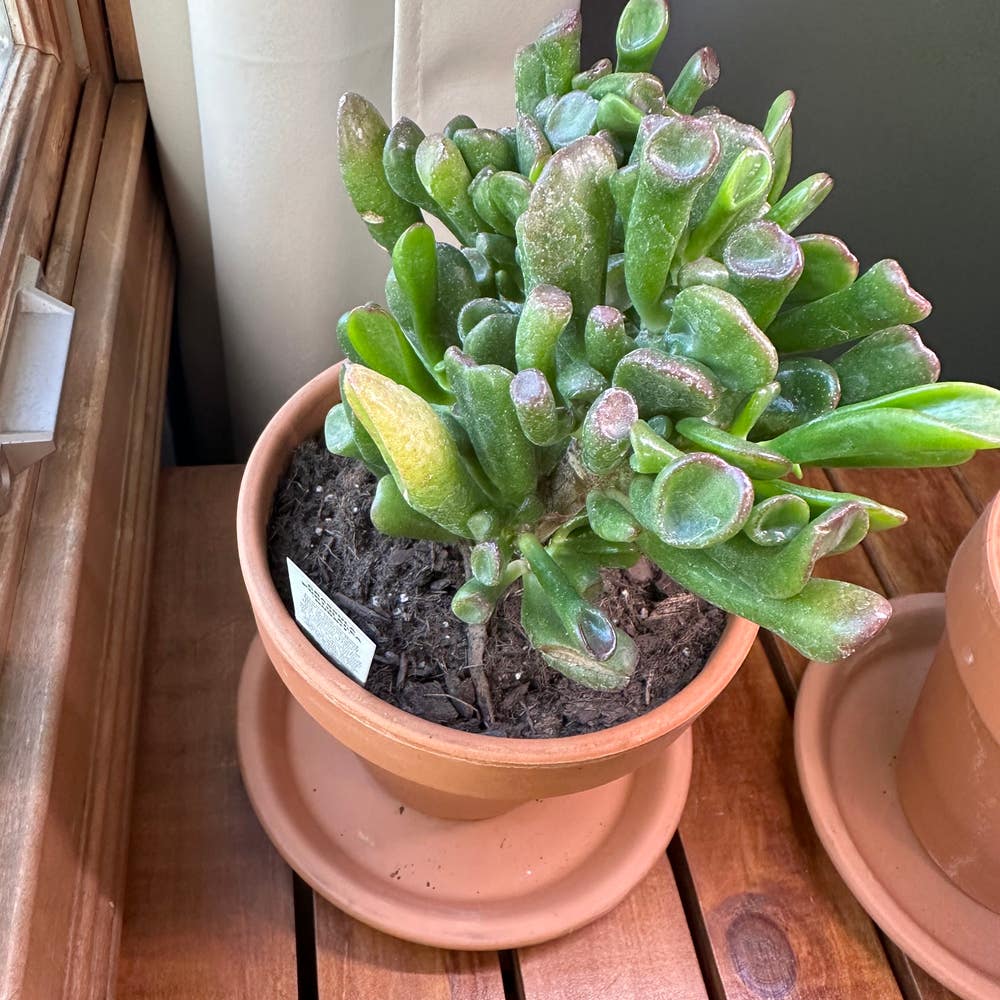
Crassula 'Hobbit' is celebrated for its unique, compact foliage that resembles a miniature tree. Its attractive, glossy leaves not only enhance its visual appeal but also add texture to both indoor and outdoor spaces.
🌱 Reproductive Strategies Without Flowers
Even without flowers, Crassula 'Hobbit' has effective reproductive strategies. It can reproduce through offsets and leaf cuttings, ensuring its survival and propagation.
🌳 Offsets
Offsets are new plants that develop at the base of the parent plant. This natural method allows the 'Hobbit' to spread and thrive in various environments.
🍃 Leaf Cuttings
Leaf cuttings are another way to propagate this succulent. Individual leaves can root and grow into new plants, making it easy for enthusiasts to expand their collection.
In summary, while Crassula 'Hobbit' may not always flower, its ornamental features and reproductive capabilities make it a resilient and attractive choice for any plant lover. Next, let's explore the unique aspects of this fascinating succulent.
Unique Aspects of Crassula 'Hobbit'
🌸 Unusual Characteristics Related to Flowering or Non-Flowering
Crassula 'Hobbit' is remarkable for its ability to thrive in poor soil conditions while still showcasing its ornamental appeal. This resilience allows it to flourish even when flowering is sporadic, making those rare blooms an exciting surprise for growers.
🤓 Interesting Facts or Trivia About Crassula 'Hobbit'
This charming succulent is named for its resemblance to the Hobbit homes from J.R.R. Tolkien's beloved works. Its resilience and adaptability have made it a favorite among succulent enthusiasts, who appreciate its unique character and low-maintenance nature.
With its compact foliage and glossy leaves, Crassula 'Hobbit' continues to capture the hearts of plant lovers everywhere. As we explore more about its care and characteristics, you'll discover why this plant is a must-have for any collection.
⚠️ Safety First
This content is for general information and may contain errors, omissions, or outdated details. It is not medical, veterinary advice, or an endorsement of therapeutic claims.
Always consult a qualified healthcare professional before using any plant as food, medicine, or supplement.
Never eat any plant (or feed one to pets) without confirming its identity with at least two trusted sources.
If you suspect poisoning, call Poison Control (800) 222-1222, the Pet Poison Helpline (800) 213-6680, or your local emergency service immediately.
Spotted an error? Please report it here.
Unlock the surprise blooms 🌼 of your Crassula 'Hobbit' by using Greg's tailored watering and sunlight tips to ensure your plant thrives!