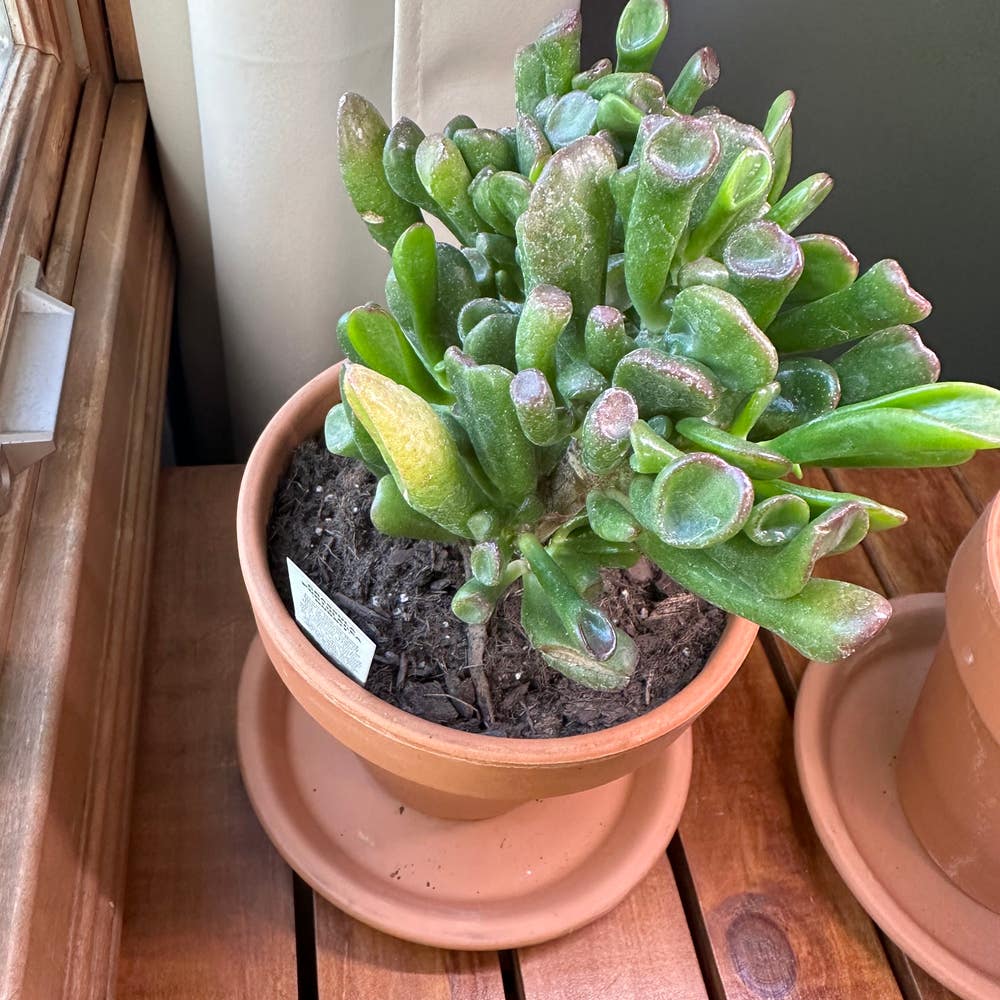
Ultimate Guide to Crassula 'Hobbit' Roots 🧙♂️
Crassula ovata 'Hobbit'
By the Greg Editorial Team
Nov 24, 2024•5 min read
This article was created with the help of AI so we can cover more plants for you. May contain errors. See one? Report it here.
Discover how to nurture Crassula 'Hobbit' roots 🌱 for a thriving succulent garden and vibrant growth! 🌿
- 🌱 Crassula 'Hobbit' roots are shallow yet extensive, perfect for arid conditions.
- 💧 Proper watering prevents root rot; use the "soak and dry" method.
- 🌿 Healthy roots are vital for propagation and overall plant vitality.
Root System Type and Characteristics
🌱 Type of Root System
Crassula 'Hobbit' features a fibrous root system that is both shallow and extensive. This design allows the plant to efficiently absorb moisture, making it well-suited for arid environments.
The roots are also adapted to store water, enhancing the plant's drought resistance. This characteristic is crucial for survival in conditions where water may be scarce.
🌿 Characteristics of Crassula 'Hobbit' Roots
The root structure of Crassula 'Hobbit' consists of fine, branching roots that spread horizontally rather than growing deep into the soil. This horizontal spread maximizes the plant's ability to capture moisture from the surface.
While there may be slight variations in root structure among common varieties, they generally share similar care requirements. Understanding these characteristics is vital for providing optimal care and ensuring the plant thrives.
As we delve deeper into the specifics of root depth, spread, and growth patterns, you'll discover how these roots interact with their environment to support the overall health of Crassula 'Hobbit'.
Root Depth, Spread, and Growth Patterns
Typical Root Depth and Spread 🌱
Crassula 'Hobbit' features a root system that typically reaches a depth of 6 to 12 inches (15-30 cm). This depth can vary based on the pot size and soil conditions, but the roots are designed to spread horizontally, extending up to 2 feet (60 cm) in well-draining soil.
Growth Patterns of Crassula 'Hobbit' Roots 🌿
During the growing season, particularly in spring and summer, the roots of Crassula 'Hobbit' exhibit rapid growth. As temperatures drop in winter, root activity slows down, leading to a reduced need for water and nutrients.
Understanding these growth patterns is crucial for providing the right care. With this knowledge, you can ensure your Crassula 'Hobbit' thrives throughout the seasons.
Watering, Fertilizing, and Transplanting
🌱 How Root System Affects Watering Practices
Crassula 'Hobbit' thrives on a careful watering routine. Allow the soil to dry out completely between waterings to prevent root rot, a common issue for succulent lovers.
To achieve optimal moisture levels, adopt the "soak and dry" method. This technique ensures thorough watering while avoiding waterlogging, which can suffocate those delicate roots.
🌿 Fertilization Needs Based on Root Characteristics
When it comes to fertilizing, a balanced, diluted succulent fertilizer is your best friend during the growing season. This approach supports the unique root system of Crassula 'Hobbit', promoting healthy growth.
Aim to fertilize every 4-6 weeks, but keep an eye on your plant's response. Adjust your feeding schedule based on growth and environmental conditions to ensure your plant remains vibrant.
🌼 Best Practices for Transplanting Crassula 'Hobbit'
Timing is key when transplanting Crassula 'Hobbit'. The best time to make a move is in spring, when the plant is actively growing and ready for a new home.
Follow these steps for a successful transplant:
- Choose a pot that is 1-2 inches larger in diameter than the current one.
- Prepare a well-draining soil mix, such as cactus mix, to support healthy root growth.
- Gently remove the plant from its pot, taking care not to damage the roots.
- Place the plant in the new pot and fill it with soil, ensuring the roots are covered but not compacted.
By following these guidelines, you can help your Crassula 'Hobbit' flourish in its new environment. With the right care, your plant will thrive and continue to bring joy to your space.
As we move forward, let's explore common root-related issues that can affect your beloved succulent.
Common Root-Related Issues
🌱 Identifying Common Root Problems
Crassula 'Hobbit' can face a couple of significant root-related issues. Root rot is a primary concern, often indicated by yellowing leaves, mushy roots, and a foul odor emanating from the soil.
Additionally, pests can wreak havoc on the root system. Mealybugs and root aphids are common culprits that can compromise the health of your plant.
🛠️ Prevention and Solutions for Root Issues
Preventing root rot is crucial for maintaining a healthy Crassula 'Hobbit'. Ensure proper drainage in your pots and avoid overwatering, which is the leading cause of this issue.
For pest control, consider using insecticidal soap or neem oil. These methods are effective in managing infestations without harming your plant.
By staying vigilant and implementing these preventive measures, you can keep your Crassula 'Hobbit' thriving and free from root-related problems. Next, we’ll explore how to identify indicators of root health and address rootbound conditions effectively.
Indicators of Root Health and Rootbound Conditions
🌱 Visual Cues of Healthy vs. Unhealthy Roots
Healthy roots are a gardener's dream. They should feel firm, exhibit a white or light tan color, and be free from any mushiness.
In contrast, unhealthy roots tell a different story. Dark, mushy, or foul-smelling roots are clear indicators of rot or disease, signaling that immediate action is needed.
🔍 Definition and Signs of Rootbound Conditions
Rootbound conditions occur when roots grow in circles around the pot, restricting the plant's growth.
You can spot this issue by looking for roots emerging from drainage holes, stunted growth, and soil that dries out quickly after watering.
⚙️ When and How to Address Rootbound Issues
To keep your Crassula 'Hobbit' thriving, check for rootbound conditions during the growing season.
If you find your plant is rootbound, here’s what to do:
- Repot into a larger container with fresh soil.
- Gently loosen any circling roots before replanting to encourage new growth.
🌿 Importance of Root Health in Propagation
Healthy roots are crucial for successful propagation and division of Crassula 'Hobbit'.
Strong roots not only support new growth but also enhance the resilience of propagated plants, ensuring they thrive in their new environments.
✂️ Techniques for Dividing Crassula 'Hobbit' While Maintaining Root Health
When it comes to dividing your plant, follow these best practices:
- Choose healthy, mature plants for propagation.
- Use clean, sharp tools to cut through roots.
- Allow cut surfaces to callous for a few days before replanting in well-draining soil.
By paying attention to root health, you set the stage for vibrant growth and successful propagation. Next, let’s explore common root-related issues that can affect your Crassula 'Hobbit'.
⚠️ Safety First
This content is for general information and may contain errors, omissions, or outdated details. It is not medical, veterinary advice, or an endorsement of therapeutic claims.
Always consult a qualified healthcare professional before using any plant as food, medicine, or supplement.
Never eat any plant (or feed one to pets) without confirming its identity with at least two trusted sources.
If you suspect poisoning, call Poison Control (800) 222-1222, the Pet Poison Helpline (800) 213-6680, or your local emergency service immediately.
Spotted an error? Please report it here.
Unlock the secret to thriving Crassula 'Hobbit' roots 🌱 with Greg's tailored watering alerts and expert care tips that keep your plant healthy and happy!