3 Ideal Locations to Plant Your Crassula 'Hobbit' 🏡
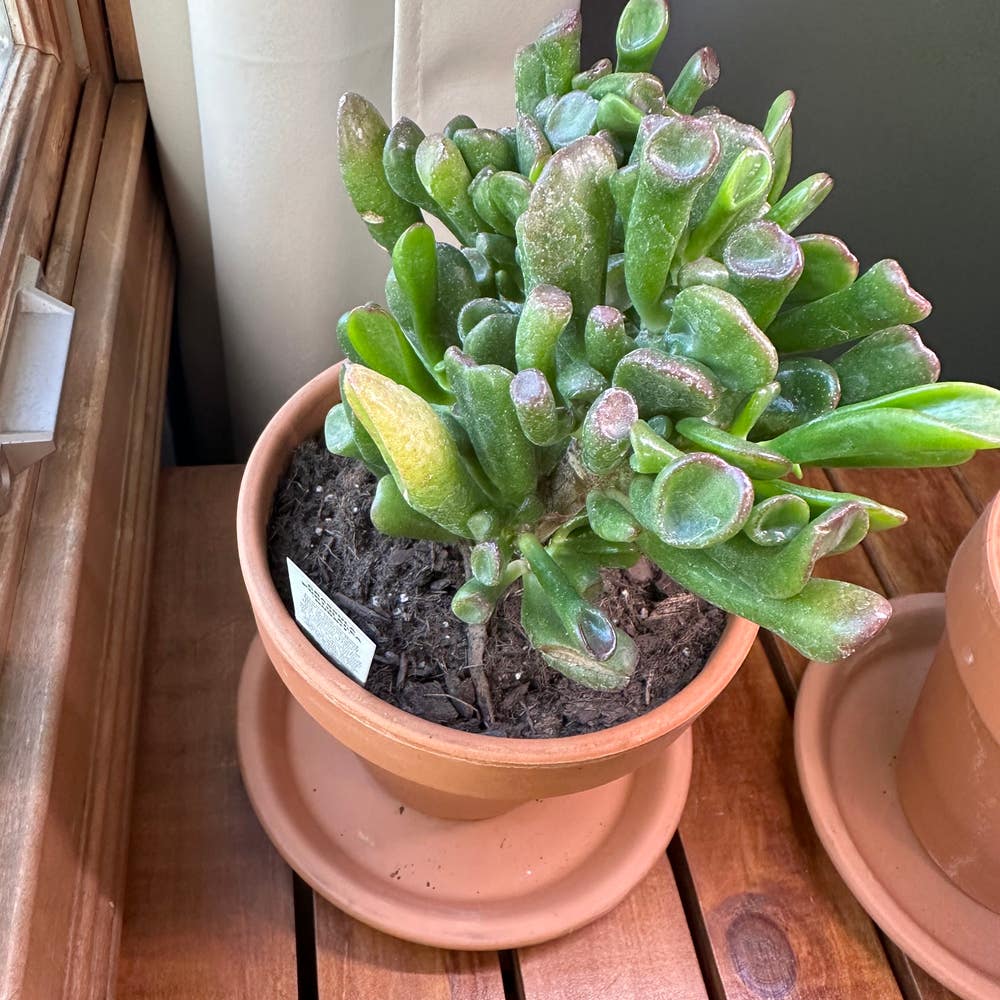
Crassula ovata 'Hobbit'
By the Greg Editorial Team
Nov 24, 2024•5 min read
This article was created with the help of AI so we can cover more plants for you. May contain errors. See one? Report it here.
Unlock the secret to a thriving Crassula 'Hobbit' garden with essential sunlight and soil tips! 🌞🌱
- 🌞 Best spots for Crassula 'Hobbit': morning sun and afternoon shade are ideal.
- 🌱 Test soil quality to ensure proper drainage and prevent root rot.
- 🌬️ Wind protection is crucial; plant near buildings or fences for shelter.
Sunlight Exposure Requirements
Assessing Sunlight Availability 🌞
To ensure your Crassula 'Hobbit' thrives, start by assessing sunlight patterns in your garden. Spend a day observing how light moves across your chosen area, noting which spots bask in sunlight and which remain shaded.
Using tools like a sunlight meter can provide precise measurements, but a simple shadow test works just as well. Mark the areas where shadows fall at different times of the day to gauge light exposure effectively.
The ideal locations for planting your Crassula 'Hobbit' are those that receive morning sun and afternoon shade. This balance helps protect the plant from the harshest rays while still providing the light it craves for healthy growth.
By carefully evaluating sunlight availability, you set the stage for a flourishing Crassula 'Hobbit'. Next, let’s explore how to ensure the soil conditions are just right for your succulent.
Soil Type Preferences
Testing Soil Conditions 🌱
To ensure your Crassula 'Hobbit' thrives, start by testing your soil conditions. A soil test kit is your best friend here; it checks both pH levels and drainage capabilities, giving you a clear picture of what you're working with.
Look for signs of poor soil conditions, such as heavy clay, compacted soil, or water pooling after rain. These indicators can spell trouble for your succulent, leading to root rot or stunted growth.
Amending Soil 🛠️
If your soil isn't up to par, don't worry—there are ways to improve it! Start by incorporating organic matter like compost, which enhances soil structure and fertility.
For better drainage, consider adding gravel or perlite. These amendments create air pockets, allowing water to flow freely and preventing the roots from sitting in soggy conditions.
By taking these steps, you can create a nurturing environment for your Crassula 'Hobbit,' ensuring it flourishes in your garden.
Next, let’s explore the importance of proximity to other plants and structures to maximize your plant's potential.
Proximity to Other Plants and Structures
🌱 Companion Planting Considerations
Choosing the right companions for your Crassula 'Hobbit' can significantly enhance its growth and overall garden aesthetics. Ideal companions include other succulents, drought-resistant plants, and even certain herbs like rosemary or thyme.
Avoid planting alongside water-loving plants, as they can compete for moisture and lead to unhealthy conditions for your Crassula. This is crucial because Crassula 'Hobbit' thrives in drier environments.
🌼 Benefits of Companion Planting
Companion planting offers numerous benefits, such as enhancing biodiversity in your garden. A diverse plant community can attract beneficial insects and pollinators, which contribute to a healthier ecosystem.
Additionally, a well-planned garden layout creates a visually appealing design. Mixing different textures and colors can make your garden more inviting and vibrant.
🛠️ Practical Tips for Companion Planting
When planning your garden, consider grouping Crassula 'Hobbit' with other succulents that share similar care requirements. This not only simplifies maintenance but also creates a cohesive look.
Monitor the growth patterns of your plants to ensure they coexist harmoniously. Adjust placements as needed to prevent overcrowding and competition for resources.
🌤️ Transitioning to Microclimates
Now that you've considered companion planting, it's essential to assess the microclimates in your garden. Understanding these unique areas will help you optimize the placement of your Crassula 'Hobbit' for the best growth conditions.
Assessing Microclimates
🌞 Ideal Microclimate for Crassula 'Hobbit'
Microclimates are unique areas within your garden that experience different climate conditions. Understanding these variations is crucial for the successful growth of your Crassula 'Hobbit'.
🔍 Identifying Microclimates
To identify microclimates, start by observing sunlight patterns throughout the day. Note where sunlight hits and for how long, as well as areas that may be shaded during certain times.
Next, consider wind exposure. Some spots may be more sheltered, while others might face strong gusts. Finally, assess moisture levels in different areas; some spots may retain water better than others.
🍂 Seasonal Changes
Microclimates can shift with the seasons, affecting your plant's health. Regularly monitor how these changes impact sunlight, wind, and moisture to ensure your Crassula 'Hobbit' is in its ideal spot.
By understanding and utilizing microclimates, you can create a thriving environment for your succulent. This knowledge not only enhances your gardening skills but also contributes to a more vibrant garden ecosystem.
As you explore these microclimates, remember to consider the next important factor: wind protection needs.
Wind Protection Needs
🌬️ Creating Windbreaks
Wind protection is crucial for the health of your Crassula 'Hobbit'. Strong winds can stress the plant and cause unsightly leaf damage, so finding the right spot is essential.
🏡 Ideal Planting Locations
Look for areas that are naturally shielded from harsh winds. Planting near buildings, fences, or hedges can provide the necessary protection your succulent needs to thrive.
🌪️ Assessing Wind Exposure
To determine the best location, observe the prevailing wind directions in your garden. Take note of how wind flows through the area, especially during stormy weather, to ensure your Crassula 'Hobbit' remains safe and sound.
By prioritizing wind protection, you set your plant up for success. Next, let’s explore the importance of drainage and how it impacts your succulent's growth.
Drainage Considerations
💧 Importance of Drainage
Proper drainage is crucial for the health of your Crassula 'Hobbit'. It prevents root rot, a common issue that can quickly turn your vibrant succulent into a sad, mushy mess.
🏺 Ideal Drainage Solutions
To ensure your plant thrives, consider using raised beds or containers equipped with drainage holes. These options allow excess water to escape, keeping the roots dry and happy.
🌱 Modifying Soil for Better Drainage
If your soil is heavy or compacted, you can improve drainage by adding organic matter or gravel. This simple modification enhances soil structure, promoting healthier growth for your Crassula 'Hobbit'.
By focusing on drainage, you set the stage for a flourishing plant. Next, let’s explore how to create windbreaks to protect your succulent from harsh elements.
⚠️ Safety First
This content is for general information and may contain errors, omissions, or outdated details. It is not medical, veterinary advice, or an endorsement of therapeutic claims.
Always consult a qualified healthcare professional before using any plant as food, medicine, or supplement.
Never eat any plant (or feed one to pets) without confirming its identity with at least two trusted sources.
If you suspect poisoning, call Poison Control (800) 222-1222, the Pet Poison Helpline (800) 213-6680, or your local emergency service immediately.
Spotted an error? Please report it here.
Maximize your Crassula 'Hobbit's potential by choosing the perfect spot 🌞 with Greg's tailored sunlight assessments and soil tips to ensure your succulent thrives in your garden!