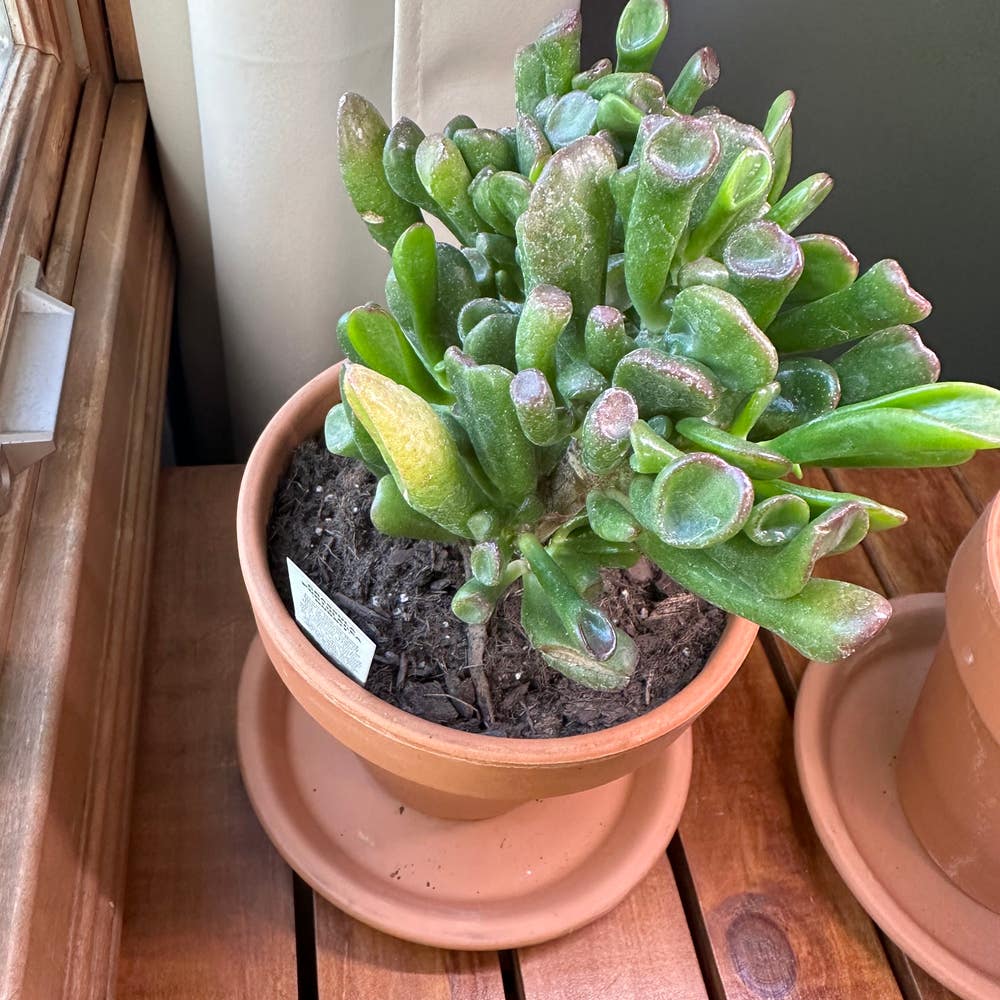
When to Repot Crassula 'Hobbit' 🏠
Crassula ovata 'Hobbit'
By the Greg Editorial Team
Nov 24, 2024•8 min read
This article was created with the help of AI so we can cover more plants for you. May contain errors. See one? Report it here.
Unlock your Crassula 'Hobbit's' full potential 🌱 by mastering the art of timely repotting for vibrant growth!
- 🌱 Repot Crassula 'Hobbit' when roots are visible or circling the pot.
- 🕒 Repot every 2-3 years or when growth slows and leaves drop.
- 🌼 Best time to repot is spring and early summer for optimal growth.
Signs that Crassula 'Hobbit' Needs Repotting
🌱 Rootbound Indicators
One of the first signs that your Crassula 'Hobbit' needs repotting is when you see roots visible through the drainage holes. If roots are protruding from the bottom of the pot, it’s a clear indication that your plant is rootbound.
Another telltale sign is if you notice roots circling the pot. This dense mass of roots indicates that the plant has outgrown its current home and is struggling for space.
📉 Growth Stunting Signs
Keep an eye out for reduced growth as well. If you notice a slowdown in new leaf production or overall growth rate, it may be time to consider repotting.
Additionally, leaf drop can signal stress. If older leaves start falling off, it’s a sign that your plant is unhappy and may need a larger pot.
🪴 Soil Degradation Symptoms
Soil compaction is another symptom to watch for. If the soil appears dense and hard, it can affect drainage and hinder your plant's health.
Lastly, a foul odor coming from the soil is a major red flag. A musty smell often indicates root rot or poor soil health, both of which can be remedied by repotting.
Recognizing these signs early can help ensure your Crassula 'Hobbit' remains healthy and vibrant. Next, let’s explore the best time to repot this charming succulent.
Best Time to Repot Crassula 'Hobbit'
🌱 Seasonal Considerations
The best time to repot your Crassula 'Hobbit' is during spring and early summer. This is when the plant is actively growing, making it more resilient to the stress of repotting.
Avoid repotting during dormancy, which typically occurs in late fall and winter. During these months, the plant's growth slows down, and it may struggle to adapt to a new environment.
🔄 Growth Cycle Awareness
Timing your repotting based on the plant's growth patterns is crucial. Look for signs of new growth, such as fresh leaves or stems, as indicators that it's the right moment to make a move.
Generally, you should repot every 2-3 years or whenever you notice signs of rootbound conditions. Keeping an eye on your plant's health will help you determine the perfect time for repotting.
By understanding these seasonal and growth cycle factors, you can ensure your Crassula 'Hobbit' thrives in its new pot. Next, let's explore the step-by-step process of repotting this resilient succulent.
Repotting Process
Repotting your Crassula 'Hobbit' can seem daunting, but with a clear step-by-step guide, it becomes a straightforward task. Follow these instructions to ensure your plant thrives in its new home.
Step 1: Preparing the New Pot and Soil 🌱
Start by selecting a pot that is 1-2 inches larger in diameter than the current one. This extra space allows for healthy root growth.
Use a well-draining succulent potting mix to provide the right environment for your plant. A good mix will help prevent root rot and promote healthy growth.
Step 2: Removing the Plant from the Old Pot 🪴
Gently tap the sides of the old pot to loosen the soil. This step helps to release the plant without damaging the roots.
Carefully slide the plant out, supporting the base to avoid any unnecessary stress. Take your time to ensure a smooth transition.
Step 3: Handling the Roots Carefully ✂️
Inspect the roots for any signs of damage or rot. If you find unhealthy roots, trim them away to promote better health.
Loosen any tightly bound roots if necessary. This will encourage the roots to spread out in the new pot.
Step 4: Positioning the Plant in the New Pot 🏺
Place the plant in the center of the new pot. This positioning allows for even growth and stability.
Fill in with fresh potting mix, ensuring the base of the plant is level with the rim. This helps maintain the right moisture balance.
Step 5: Watering After Repotting 💧
After repotting, water the plant lightly to settle the soil. Be cautious not to overwater, as this can lead to root rot.
Allow the soil to dry out before the next watering. This practice helps your Crassula 'Hobbit' adjust to its new environment without stress.
With these steps, your Crassula 'Hobbit' will be well on its way to thriving in its new pot. Next, let’s explore the best pot material options to enhance your plant's growth and aesthetic appeal.
Pot Material Options
Choosing the right pot material for your Crassula 'Hobbit' is crucial for its health and growth. Each material has its own set of benefits and drawbacks that can impact your plant's well-being.
🏺 Terracotta Pots
Benefits
Terracotta pots are known for their excellent drainage. The porous material allows moisture to evaporate, preventing water from sitting at the bottom and causing root rot.
Additionally, they offer aesthetic appeal. Their natural look beautifully complements the vibrant green of your Crassula 'Hobbit'.
Drawbacks
However, terracotta pots can be heavy when filled with soil, making them less portable.
They are also fragile, prone to cracking if dropped or exposed to extreme temperatures.
🥤 Plastic Pots
Advantages
Plastic pots are lightweight and easy to handle, making them a popular choice for many gardeners.
They also retain moisture longer, which can be beneficial in dry conditions, helping your plant stay hydrated.
Potential Issues
It's essential to ensure that plastic pots have adequate drainage holes to prevent root rot.
You may also need to monitor soil moisture levels more frequently, as they can retain water longer than other materials.
🏺 Other Materials
Suitability
Ceramic pots can add a touch of elegance to your plant display. However, they may retain moisture, so ensure they have proper drainage.
Metal pots can look sleek but can heat up quickly in sunlight, making them less ideal for long-term use.
Pros and Cons
When choosing a pot, evaluate based on aesthetics, weight, and drainage capabilities. Each material has its unique characteristics that can influence your Crassula 'Hobbit's' growth and health.
Understanding these options will help you make an informed decision, ensuring your plant thrives in its new home. Next, let’s explore the best soil considerations for repotting your Crassula 'Hobbit'.
Soil Considerations
Best Potting Mix 🌱
Choosing the right potting mix is crucial for your Crassula 'Hobbit'. A blend of potting soil, perlite, and coarse sand creates an ideal environment that promotes optimal drainage and healthy growth.
- Recommended Components: Aim for a mix that balances moisture retention and drainage. The ideal soil pH should be slightly acidic to neutral, ranging from 6.0 to 7.0.
Importance of Drainage 🚰
Drainage is essential to prevent root rot, a common issue for succulents. Always ensure your pot has adequate drainage holes to allow excess water to escape.
- Soil Moisture Monitoring: Keep an eye on the moisture levels. Allow the top inch of soil to dry out between waterings to maintain a healthy root system.
Soil Amendments 🧪
Incorporating soil amendments can significantly enhance your potting mix's performance.
- Perlite: This lightweight material increases aeration and drainage, helping prevent waterlogging.
- Pumice: It retains moisture without suffocating the roots, making it a fantastic addition.
- Sand: Coarse sand improves soil texture and drainage, ensuring your Crassula thrives.
By carefully selecting your potting mix and ensuring proper drainage, you set the stage for a flourishing Crassula 'Hobbit'. Next, let’s explore the best practices for post-repotting care to help your plant adjust smoothly to its new environment.
Post-Repotting Care
🌱 Initial Care After Repotting
After repotting your Crassula 'Hobbit', it's crucial to provide the right conditions for recovery. Start by gradually reintroducing the plant to bright, indirect sunlight to avoid overwhelming it.
Maintain a temperature range between 20°C to 30°C (68°F to 86°F) to create a comfortable environment for your succulent. This warmth encourages healthy growth and helps the plant adjust to its new home.
💧 Watering Schedule
Patience is key when it comes to watering after repotting. Wait 1-2 weeks before giving your plant any water, allowing the roots to settle into their new potting mix.
Once the waiting period is over, resume your normal watering schedule based on the soil moisture. Always check that the top inch of soil is dry before watering again to prevent overwatering.
👀 Monitoring for Stress or Shock
Signs of Stress
Keep an eye on your Crassula 'Hobbit' for any signs of stress after repotting. Wilting leaves or discoloration can indicate that the plant is experiencing shock from the transition.
You may also notice slow growth or leaf drop as the plant adjusts to its new environment. These symptoms are common but should be monitored closely.
Recovery Tips
To help your plant recover, provide stable conditions. Avoid drastic changes in light or temperature, as these can exacerbate stress.
Be patient during this adjustment period. Allow your Crassula 'Hobbit' time to acclimate, and soon enough, it will thrive in its new pot.
With the right care, your plant will bounce back and continue to grow beautifully.
⚠️ Safety First
This content is for general information and may contain errors, omissions, or outdated details. It is not medical, veterinary advice, or an endorsement of therapeutic claims.
Always consult a qualified healthcare professional before using any plant as food, medicine, or supplement.
Never eat any plant (or feed one to pets) without confirming its identity with at least two trusted sources.
If you suspect poisoning, call Poison Control (800) 222-1222, the Pet Poison Helpline (800) 213-6680, or your local emergency service immediately.
Spotted an error? Please report it here.
Repot your Crassula 'Hobbit' like a pro 🌱 with Greg's tailored reminders and expert tips to keep your plant thriving in its new pot!