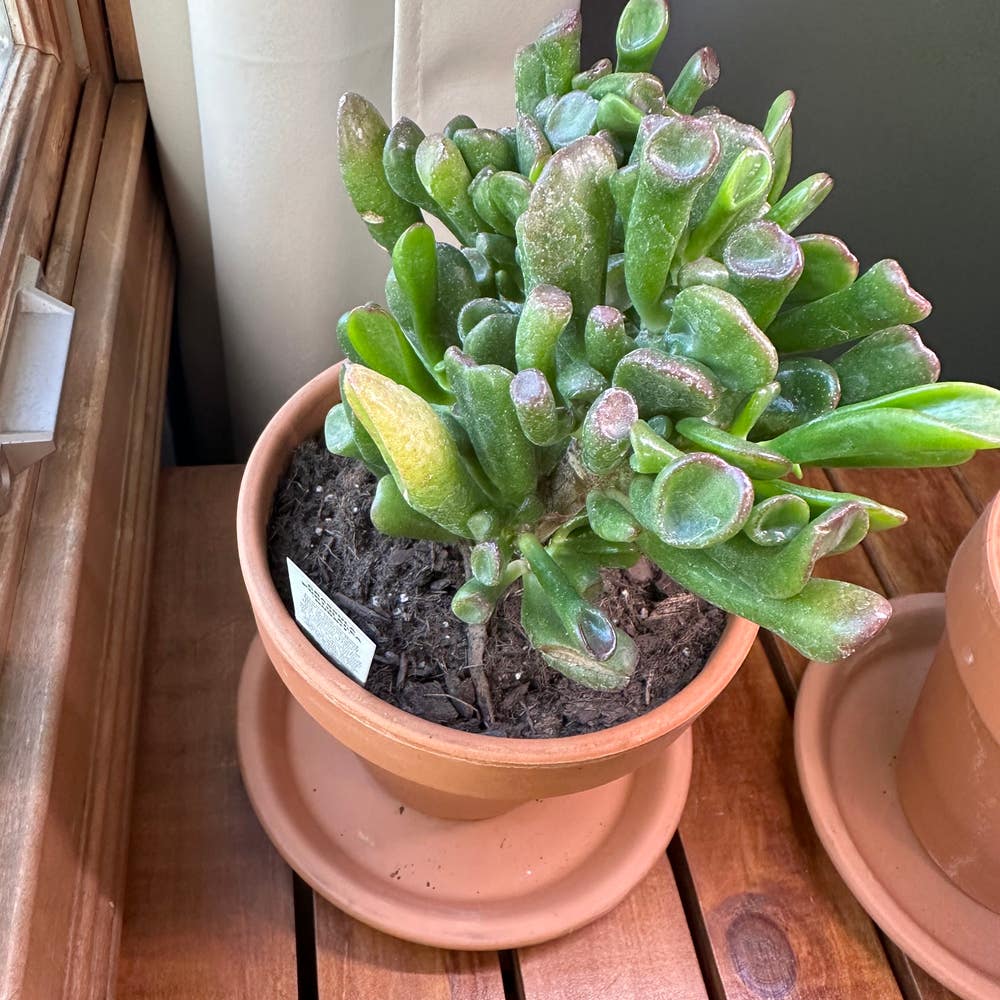
🌱 Companion Planting 101: What to Plant with Crassula 'Hobbit'
Crassula ovata 'Hobbit'
By the Greg Editorial Team
Nov 24, 2024•4 min read
This article was created with the help of AI so we can cover more plants for you. May contain errors. See one? Report it here.
Elevate your garden's beauty 🌼 by pairing Crassula 'Hobbit' with ideal companion plants for a thriving oasis!
- 🌱 Crassula 'Hobbit' thrives with drought-tolerant companions like Sedum 'Angelina' and Aloe Vera.
- 🌼 Companion plants enhance aesthetics and deter pests, creating a vibrant garden ecosystem.
- 🌿 Avoid cacti near Crassula 'Hobbit' to prevent competition for water and resources.
Best Companion Plants for Crassula 'Hobbit'
🌱 Description of Suitable Companion Plants
Plant 1: Sedum 'Angelina'
Sedum 'Angelina' is a low-growing, drought-tolerant succulent known for its vibrant yellow foliage. This plant not only complements Crassula 'Hobbit' in water needs but also provides excellent ground cover to suppress weeds.
Plant 2: Echeveria 'Lola'
Echeveria 'Lola' features rosette-shaped, pastel-colored leaves that add a soft touch to any garden. With similar light and water requirements, it enhances the aesthetic appeal of the garden while providing a beautiful contrast to Crassula 'Hobbit'.
Plant 3: Aloe Vera
Aloe Vera is a well-known succulent with thick, fleshy leaves and notable medicinal properties. It shares similar care needs with Crassula 'Hobbit' and its growth habit does not compete for resources, plus it can help deter certain pests.
Plant 4: Haworthia fasciata
Haworthia fasciata is a small, rosette-forming succulent characterized by its striking striped leaves. Thriving in similar conditions, it enhances garden diversity and provides a lovely textural contrast to Crassula 'Hobbit'.
🌼 Explanation of Why These Plants Thrive with Crassula 'Hobbit'
All selected companions share similar drought tolerance and light requirements, making them ideal partners for Crassula 'Hobbit'. Their compatible growth habits prevent competition for resources, allowing each plant to flourish.
Moreover, these companions contribute to a balanced ecosystem, promoting overall health in your succulent garden. By choosing the right plants, you can create a thriving environment that benefits all your greenery.
With these companions in mind, you're well on your way to cultivating a vibrant and harmonious garden!
Plants to Avoid Near Crassula 'Hobbit'
🌵 Description of Unsuitable Companion Plants
Plant 1: Cacti
Cacti might seem like a natural fit for a succulent garden, but they can be problematic neighbors for Crassula 'Hobbit'. They often require more water than Crassula 'Hobbit' and can compete for both space and nutrients, leading to potential issues in your garden.
Plant 2: Fleshy-leaved plants
Fleshy-leaved plants may also pose a threat to Crassula 'Hobbit'. These plants can attract pests that harm your succulent and often have different water needs, which can disrupt the delicate balance of your garden.
⚠️ Explanation of Potential Issues with These Plants
The competition for resources from unsuitable companions can lead to stunted growth or even decline in health for Crassula 'Hobbit'. Additionally, the presence of incompatible plants increases the risk of pest infestations, which can wreak havoc on your prized succulent.
By being mindful of what you plant alongside Crassula 'Hobbit', you can create a thriving environment that promotes health and beauty. Next, let’s explore how companion plants can actually help manage pests effectively.
Pest Management through Companion Planting
🌱 How Companion Plants Can Deter Pests
Companion planting is a smart strategy for protecting your Crassula 'Hobbit'. By incorporating plants with natural pest-repelling properties, you can create a shield against unwanted invaders.
A diverse plant environment not only enhances the garden's beauty but also attracts beneficial insects. These allies help keep harmful pests at bay, promoting a healthier ecosystem for your plants.
🐞 Specific Pest-Repelling Properties of Chosen Companions
Sedum 'Angelina' is a fantastic companion that can deter aphids and other soft-bodied insects. Its vibrant presence not only adds color but also serves a practical purpose in pest management.
Aloe Vera, known for its medicinal properties, also plays a role in pest control. Its bitter sap can repel certain pests, making it a valuable addition to your succulent garden.
By carefully selecting companion plants, you can create a thriving environment for Crassula 'Hobbit' while minimizing pest issues. This thoughtful approach not only protects your plants but also enhances the overall aesthetic of your garden.
As you consider your planting options, remember that the right companions can make all the difference in maintaining a healthy and vibrant garden.
Visual Appeal and Aesthetic Considerations
How Companion Plants Enhance the Visual Appeal of Crassula 'Hobbit' 🌼
Companion plants can transform your garden into a vibrant masterpiece. By mixing different colors, shapes, and textures, you create a visually striking display that highlights the unique form of Crassula 'Hobbit'.
Seasonal interest is another perk of companion planting. As various plants bloom and change throughout the year, they provide a dynamic backdrop that keeps your garden looking fresh and engaging.
Suggestions for Creating a Visually Diverse Succulent Garden 🎨
To maximize visual impact, group plants with varying heights and colors. This layering technique adds depth and intrigue, making your garden more inviting.
Consider using containers or raised beds to showcase Crassula 'Hobbit' alongside its companions. This not only elevates the aesthetic but also allows for better drainage and care, enhancing the overall health of your succulent garden.
With these tips, you can create a stunning succulent landscape that celebrates the beauty of Crassula 'Hobbit' and its companions. Next, let’s explore how companion plants can help manage pests effectively.
⚠️ Safety First
This content is for general information and may contain errors, omissions, or outdated details. It is not medical, veterinary advice, or an endorsement of therapeutic claims.
Always consult a qualified healthcare professional before using any plant as food, medicine, or supplement.
Never eat any plant (or feed one to pets) without confirming its identity with at least two trusted sources.
If you suspect poisoning, call Poison Control (800) 222-1222, the Pet Poison Helpline (800) 213-6680, or your local emergency service immediately.
Spotted an error? Please report it here.
Elevate your garden's beauty and health with companion planting 🌱 for Crassula 'Hobbit'—let Greg guide you with tailored care tips for thriving plant partnerships!