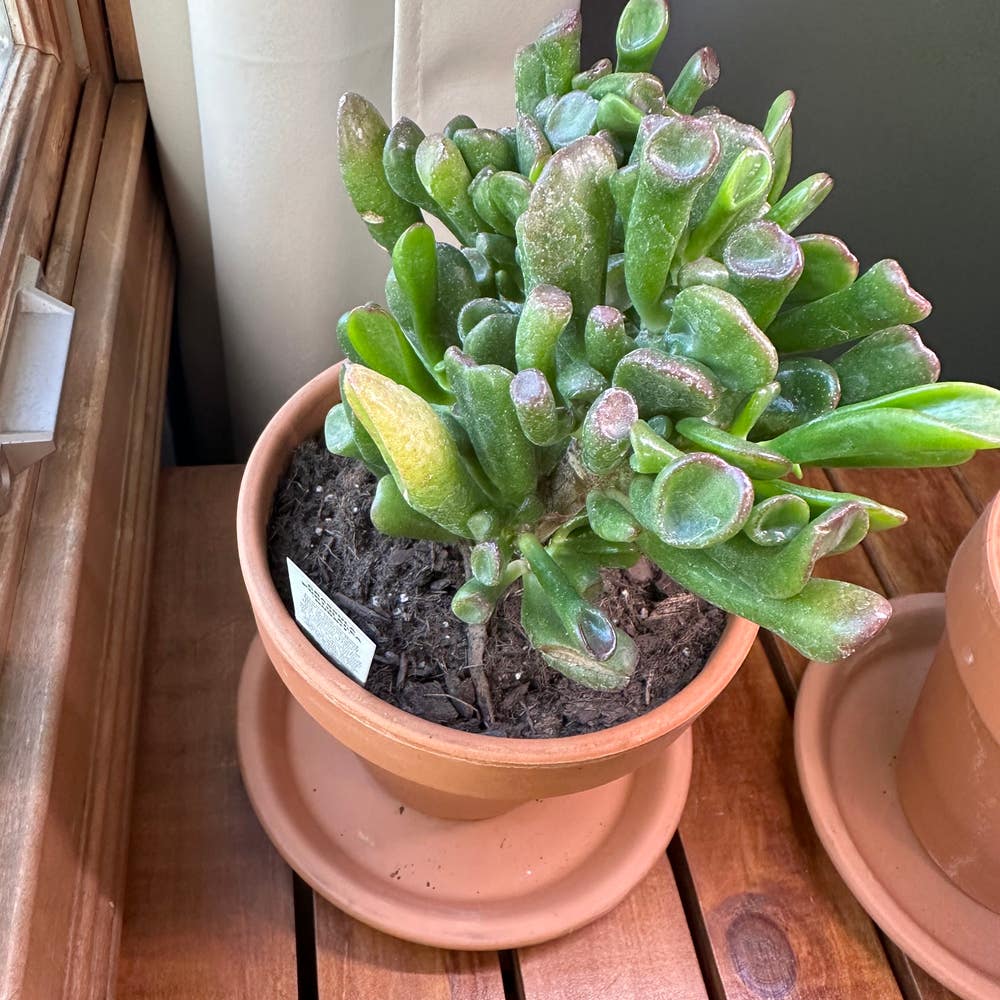
🐝 Ultimate Guide to Pollinating Crassula 'Hobbit'
Crassula ovata 'Hobbit'
By the Greg Editorial Team
Nov 24, 2024•6 min read
This article was created with the help of AI so we can cover more plants for you. May contain errors. See one? Report it here.
Unlock the secrets of Crassula 'Hobbit' flowers 🌸 to boost your garden's vibrancy and pollination success!
- 🌸 Crassula 'Hobbit' attracts bees, butterflies, and hummingbirds with its vibrant flowers.
- 🌱 Self-pollination ensures reproduction even without pollinators, promoting genetic stability.
- 🌼 Creating a pollinator-friendly garden boosts visits and supports local ecosystems.
Flower Structure
Description of Flower Characteristics 🌸
Crassula 'Hobbit' boasts stunning flowers that are tubular and clustered, typically showcasing vibrant red or pink hues. These flowers grow in dense clusters at the tips of the stems, creating a striking visual display.
The flower's petals are usually five in number, shaped like small tubes that flare out slightly at the ends. This unique structure not only attracts pollinators but also aids in the plant's reproductive processes.
The sepals play a crucial protective role, encasing the developing flower buds and shielding them from environmental stressors. Meanwhile, the stamens, typically numbering around five to ten, are arranged in a way that maximizes pollen exposure.
At the center of the flower lies the pistil, which consists of the ovary, style, and stigma. The pistil's structure is essential for capturing pollen, facilitating fertilization, and ultimately producing seeds.
Role of Flower Structure in Pollination 🐝
The design of Crassula 'Hobbit' flowers significantly supports self-pollination. The proximity of the stamens to the pistil allows pollen to easily transfer, ensuring that the plant can reproduce even in the absence of pollinators.
However, the flower structure also attracts various pollinators, enhancing opportunities for cross-pollination. The vibrant colors and sweet fragrances draw in bees and butterflies, promoting genetic diversity within the species.
This dual capability of self and cross-pollination makes Crassula 'Hobbit' a resilient and adaptable plant, thriving in various environments. Understanding these characteristics is vital for anyone looking to cultivate this unique succulent successfully.
With a solid grasp of the flower's structure, we can now delve into the fascinating pollination process that follows.
Pollination Process
🌱 Explanation of Self-Pollination
Crassula 'Hobbit' has a fascinating ability to self-pollinate, thanks to its unique flower structure. The flowers are designed so that the stamens and pistils are positioned closely, allowing pollen to transfer easily from the male to the female parts.
Self-pollination offers several advantages for this succulent. It ensures that even in the absence of pollinators, Crassula 'Hobbit' can still reproduce, promoting genetic stability and resilience in varying environmental conditions.
🐝 Identification of Primary Pollinators
Bees
Bees are the primary pollinators for Crassula 'Hobbit.' They are attracted to the vibrant flowers, where they collect nectar and pollen, facilitating cross-pollination in the process.
Butterflies
Butterflies also play a significant role in pollination. Their delicate movements and attraction to the colorful blooms help spread pollen from one flower to another.
Other Pollinators
In addition to bees and butterflies, other species like moths and hummingbirds can contribute to the pollination of Crassula 'Hobbit.' These creatures are drawn to the flowers, enhancing the plant's reproductive success.
🌼 How Crassula 'Hobbit' Attracts Pollinators
Color and Scent
The bright colors and sweet fragrance of Crassula 'Hobbit' flowers are key to attracting pollinators. These features signal to bees and butterflies that a rewarding meal awaits.
Timing
The blooming period of Crassula 'Hobbit' aligns perfectly with the activity of its pollinators. This synchronization increases the chances of successful pollination, ensuring that the plant can thrive and reproduce effectively.
As we explore the next section, we'll delve into hand pollination techniques, providing you with practical methods to enhance the pollination process for your Crassula 'Hobbit.'
Hand Pollination Techniques
Hand pollination can be a rewarding process for ensuring the successful reproduction of Crassula 'Hobbit'. Here’s a straightforward guide to help you navigate this technique.
🌱 Step-by-Step Instructions for Hand Pollinating
1. Identify Male and Female Flower Parts
To begin, you need to distinguish between the male and female parts of the flower. The stamens, which produce pollen, are typically slender and located in the center, while the pistil, which receives pollen, is usually more prominent and located at the flower's center.
2. Collecting Pollen
Once you've identified the stamens, gently tap or brush them to collect the pollen. You can use a small brush or your fingertip to gather the fine yellow grains.
3. Transferring Pollen
Next, apply the collected pollen to the pistil. Lightly dab the pollen onto the sticky stigma at the top of the pistil to facilitate fertilization.
4. Timing
The best time for hand pollination is during the morning when flowers are fully open and receptive. This timing aligns with peak pollen availability and increases the chances of successful fertilization.
🌼 Ensuring Successful Fertilization
To enhance the likelihood of successful fertilization, consider environmental factors. Adequate sunlight, moderate humidity, and stable temperatures can significantly improve outcomes.
By following these steps, you can effectively hand pollinate Crassula 'Hobbit' and contribute to its thriving growth. With a little practice, you'll become adept at this technique, ensuring your plants flourish.
As you explore hand pollination, you’ll gain a deeper appreciation for the intricate processes that support plant life. Next, let’s delve into how to create a pollinator-friendly environment in your garden.
Supporting Pollinators in the Garden
🌼 Creating a Pollinator-Friendly Environment
Creating a welcoming habitat for pollinators is crucial for their survival and your garden's health. Start by planting a variety of native flowers that bloom at different times throughout the year, ensuring a continuous food source.
Providing suitable habitats can be as simple as leaving some areas of your garden a bit wild. This allows pollinators to find shelter and nesting sites, which are essential for their lifecycle.
Water sources are also vital for pollinators. Consider adding shallow dishes filled with water and pebbles, allowing bees and butterflies to drink safely without drowning. Regularly refreshing the water keeps it clean and inviting.
🌱 Suggested Companion Plants
Companion planting can significantly enhance your garden's appeal to pollinators. Some excellent choices include:
- Lavender: Attracts bees with its fragrant flowers.
- Echinacea (Coneflower): A favorite among butterflies.
- Marigolds: Bright blooms that draw in various pollinators.
When arranging these plants, aim for clusters rather than single plants. Grouping flowers together makes it easier for pollinators to find food, increasing their visits to your garden.
Consider planting in layers, with taller plants at the back and shorter ones in front. This not only creates visual interest but also provides shelter for smaller pollinators.
By fostering a pollinator-friendly environment and choosing the right companion plants, you can create a vibrant garden that supports these essential creatures. This not only benefits your plants but also contributes to the overall health of the ecosystem.
As you cultivate your garden, remember that every small effort counts in supporting pollinators and enhancing biodiversity.
Pollination Challenges
🌼 Common Obstacles to Successful Pollination
Pollination can be hindered by various environmental factors. Temperature fluctuations and humidity levels can significantly impact the effectiveness of pollination in Crassula 'Hobbit'.
Additionally, the decline in pollinator populations poses a serious challenge. With fewer bees, butterflies, and other pollinators visiting gardens, the chances of successful cross-pollination diminish.
🛠️ Solutions for Overcoming Pollination Challenges
To improve pollination success, consider implementing several practical strategies. Creating a diverse garden with a variety of flowering plants can attract more pollinators and provide them with essential resources.
Enhancing the presence of pollinators can also be achieved by providing suitable habitats. Incorporating native plants and ensuring there are water sources available will encourage pollinator visits and support their populations.
By addressing these challenges, you can foster a thriving environment for Crassula 'Hobbit' and its pollinators. This proactive approach not only benefits your garden but also contributes to the overall health of local ecosystems.
⚠️ Safety First
This content is for general information and may contain errors, omissions, or outdated details. It is not medical, veterinary advice, or an endorsement of therapeutic claims.
Always consult a qualified healthcare professional before using any plant as food, medicine, or supplement.
Never eat any plant (or feed one to pets) without confirming its identity with at least two trusted sources.
If you suspect poisoning, call Poison Control (800) 222-1222, the Pet Poison Helpline (800) 213-6680, or your local emergency service immediately.
Spotted an error? Please report it here.
Boost your Crassula 'Hobbit' blooms and attract pollinators 🌺 effortlessly with Greg's personalized care reminders and tips for creating a thriving garden ecosystem!