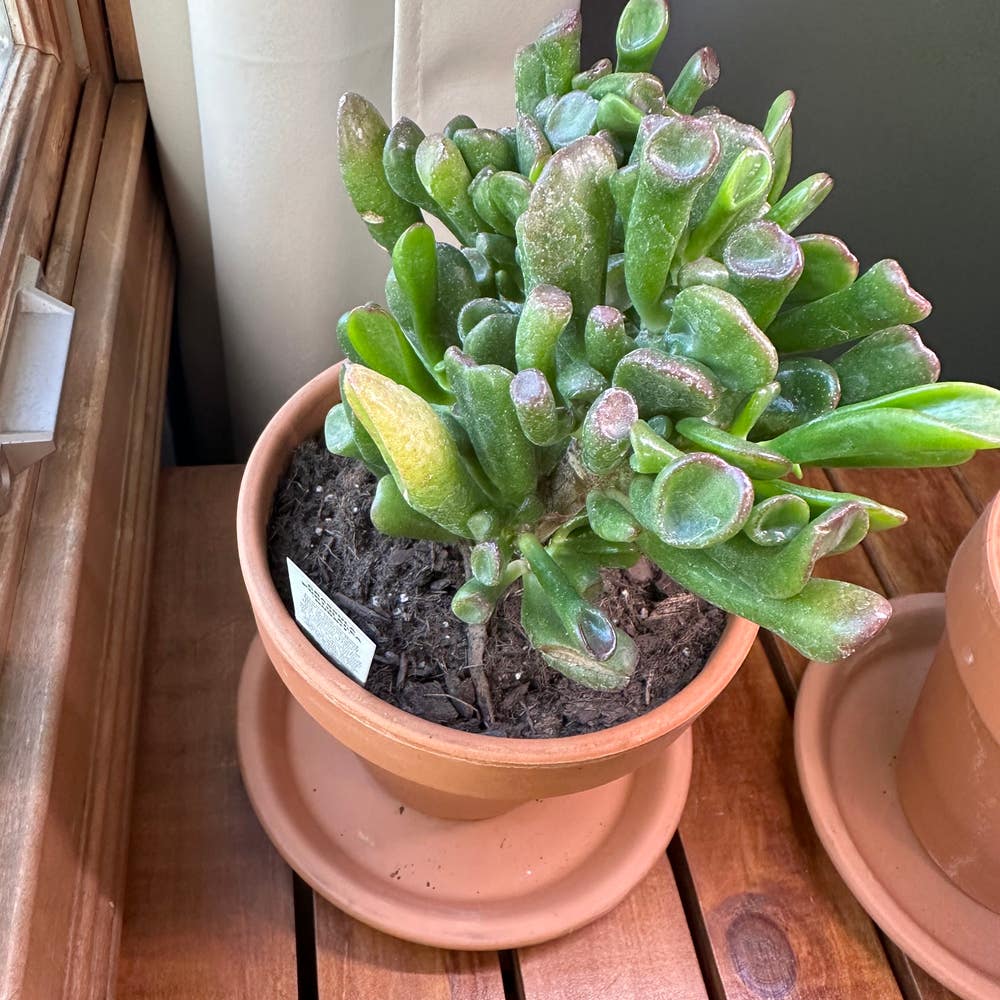
Understanding Hobbit Jade Plant: The Basics
Crassula ovata 'Hobbit'
By the Greg Editorial Team
Jan 28, 2025•13 min read
This article was created with the help of AI so we can cover more plants for you. May contain errors. See one? Report it here.
Elevate your space effortlessly with the charming Hobbit Jade plant, a low-maintenance beauty that thrives with minimal care! 🌿
- 🌞 Hobbit Jade thrives in full sun to partial shade; light is crucial for growth.
- 💧 Water only when soil is dry to prevent root rot and ensure healthy plants.
- 🌱 Easy to care for, making Hobbit Jade perfect for novice and experienced gardeners alike.
How to Grow
🌞 Choosing a Location
Hobbit Jade plants thrive in full sun to partial shade. When deciding between indoor and outdoor growing, consider the light availability and temperature fluctuations.
🌱 Soil Preparation
For optimal growth, use a well-draining succulent mix. Aim for a soil pH between 6.0 and 7.0, which is slightly acidic to neutral.
🌿 Planting Techniques
When planting, ensure the root ball is level with the soil surface. For outdoor planting, space your Hobbit Jade plants 12-18 inches apart to allow for healthy growth.
💧 Watering Guidelines
Water your Hobbit Jade plant only when the soil has dried out completely. Be vigilant for signs of overwatering, such as yellowing leaves, or underwatering, which may cause wilting.
🌼 Fertilizing Schedule
Fertilize every 4-6 weeks during the growing season to promote healthy growth. A balanced, diluted succulent fertilizer works best for these plants.
✂️ Pruning Methods
Prune your Hobbit Jade in early spring to maintain its shape and health. Focus on removing dead or damaged leaves and pinching back any leggy growth.
🛠️ Ongoing Care Tips
Ensure your container has drainage holes and is the appropriate size for your plant. If growing outdoors, protect your Hobbit Jade from frost and keep an eye out for pests.
With these guidelines, your Hobbit Jade plant will flourish, bringing beauty and charm to your space. Next, let’s explore how to propagate this delightful succulent!
Propagation
🍃 Leaf Cuttings Method
Propagation through leaf cuttings is a straightforward way to expand your Hobbit Jade collection. Start by selecting healthy, plump leaves from the parent plant.
Allow the cuttings to callous for 1-2 days before planting them in well-draining soil. Water sparingly until roots develop, ensuring the soil remains dry to prevent rot.
✂️ Stem Cuttings Method
For stem cuttings, cut healthy stems that are 4-6 inches long and have several leaves. Just like with leaf cuttings, let them callous for 1-2 days before planting.
Once planted in soil, water lightly until the cuttings are established. This method is effective and can yield multiple new plants.
🌱 Offsets Division Method
Offsets division is the easiest propagation method. Look for small plants, or offsets, at the base of the parent plant.
Gently twist or cut these offsets away from the main plant. After separation, replant them in suitable soil and water lightly after planting to encourage growth.
With these methods, you can easily propagate your Hobbit Jade and enjoy the satisfaction of nurturing new plants. Next, let’s explore the lifecycle of this fascinating succulent.
Lifecycle
🌱 Lifecycle Stages
The Hobbit Jade Plant is a perennial, meaning it lives for multiple years and goes through various growth phases. Understanding these stages helps you provide the right care at each point in its life.
🌱 Germination Process
Seeds of the Hobbit Jade Plant typically take about 2-3 weeks to germinate. This timeframe can vary slightly based on environmental conditions, so patience is key.
🌱 Seedling Stage Development
During the seedling stage, you'll notice initial leaf formation and root establishment. This is a crucial period where the plant begins to develop its structure.
🌱 Vegetative Growth Phase
As the plant enters the vegetative growth phase, it focuses on leaf and stem development. Expect a bushy appearance as it thrives under optimal conditions.
🌱 Flowering and Seed Production
With the right light and care, the Hobbit Jade Plant can produce small, star-shaped blooms. These flowers not only add beauty but also contribute to the plant's reproductive cycle.
🌱 Lifespan and Growth Rate
With proper care, the Hobbit Jade Plant can live between 10-20 years. It has a moderate growth rate, typically reaching maturity in about 2-3 years, making it a rewarding addition to your garden.
This lifecycle overview highlights the importance of understanding each stage to ensure your Hobbit Jade Plant thrives. Next, we’ll explore how to maximize its growth potential through effective care techniques.
Size
Mature Height and Spread 🌱
The Hobbit Jade Plant typically reaches a height of 1 to 2 feet. Its spread can extend up to 2 feet wide, making it a lovely addition to any garden or indoor space.
Growth Rate and Time to Full Size ⏳
Under optimal conditions, this plant can achieve its full size in about 2 to 3 years. With the right care, you'll see it flourish and fill out beautifully.
Size Variability Based on Growing Conditions 🌍
Several factors can influence the size of your Hobbit Jade Plant. Light exposure, watering habits, soil quality, and pot size all play crucial roles in determining how robust your plant will grow.
Understanding these elements can help you create the ideal environment for your Hobbit Jade, ensuring it thrives and reaches its full potential.
As we explore the next section, we'll delve into the fascinating root system of this resilient plant.
Roots
🌱 Root System Characteristics
Hobbit Jade plants feature a fibrous root system that supports their growth and stability. This type of root structure is essential for absorbing water and nutrients efficiently.
📏 Depth and Spread of Roots
Typically, the roots of a Hobbit Jade plant extend 6-12 inches deep. They can spread wider than the plant's canopy, allowing for better nutrient uptake and stability.
⚠️ Common Root-Related Issues
One of the most common problems is root rot, often caused by overwatering. Signs of root rot include mushy roots, which can be detrimental to the plant's health.
🛠️ Solutions for Root Problems
To combat root rot, improve drainage by using well-draining soil and pots with drainage holes. Adjusting your watering schedule can also help prevent this issue.
👀 Identifying Healthy vs. Unhealthy Roots
Healthy roots are firm and exhibit a white or light tan color. In contrast, unhealthy roots may appear dark, mushy, or emit a foul smell, indicating a problem.
🔒 Recognizing Rootbound Plants
If you notice roots growing out of the drainage holes, your Hobbit Jade may be rootbound. The solution is simple: repot the plant into a larger container to give the roots more room to grow.
Understanding the root system of your Hobbit Jade plant is crucial for its overall health. With proper care and attention, you can ensure your plant thrives and flourishes.
Next, let’s explore the benefits of having a Hobbit Jade plant in your home or garden.
Benefits
Top 5 Benefits 🌟
1. Drought Tolerance
Hobbit jade plants are champions of drought tolerance. They thrive on minimal water, making them perfect for low-maintenance gardens.
2. Air Purification
These plants do more than just look good; they also help improve indoor air quality. Their ability to filter toxins makes them a great addition to any home.
3. Ornamental Appeal
With their unique foliage, hobbit jade plants add a touch of beauty to any space. Their striking appearance can enhance both indoor and outdoor settings.
4. Symbol of Prosperity
In various cultures, hobbit jade plants are seen as symbols of prosperity. Having one in your home can be a delightful nod to good fortune.
5. Easy Care
Whether you're a seasoned gardener or just starting out, hobbit jade plants are easy to care for. Their forgiving nature makes them suitable for everyone.
These benefits make the hobbit jade plant a fantastic choice for any plant enthusiast. As we explore further, you'll discover how to care for and propagate this resilient plant.
Companion Plants
🌱 Concept of Companion Planting
Companion planting is all about creating a harmonious garden ecosystem. It enhances pest management, boosts growth, and adds diversity to your garden.
🌼 Best Companion Plants
When it comes to Hobbit Jade plants, consider pairing them with other succulents, herbs, and flowering plants. These companions share similar care needs and can help repel pests, making your garden healthier and more vibrant.
- Succulents: They thrive in similar conditions and create a visually appealing arrangement.
- Herbs: Plants like rosemary and thyme can deter pests while adding fragrance.
- Flowering Plants: Marigolds are excellent for attracting beneficial insects.
🚫 Plants to Avoid
Not all plants play nice with Hobbit Jade. Avoid those with high water needs or aggressive growth, as they can compete for resources and lead to poor health.
- High Water Needs: Plants like ferns can create overly moist conditions.
- Aggressive Growers: Species such as mint can overshadow your Hobbit Jade, stunting its growth.
By choosing the right companions, you can cultivate a thriving garden that benefits all its inhabitants. Now, let's explore the potential problems that can arise in your gardening journey.
Toxicity to Humans
Potential Irritation 🌿
The Hobbit Jade plant can cause irritation primarily through its leaves and sap. Symptoms may include skin rashes, itching, and mild gastrointestinal upset if ingested.
How Irritation Occurs ⚠️
Irritation typically occurs through direct contact with the plant or ingestion of its material. Always be cautious when handling this succulent to avoid any adverse reactions.
When to Seek Medical Care 🚑
If you experience persistent or worsening symptoms, it's wise to seek medical attention. Better safe than sorry when it comes to your health!
Tips for Safe Handling 🧤
To minimize the risk of irritation, wear gloves while handling the Hobbit Jade plant. Afterward, make sure to wash your hands thoroughly to remove any sap residue.
By taking these simple precautions, you can enjoy the beauty of your Hobbit Jade plant without worry. Now that you’re informed about its toxicity, let’s explore how to keep this plant thriving in your home!
Toxicity to Dogs
Potential Irritation 🐶
Hobbit jade plants can cause mild irritation in dogs, primarily affecting the leaves and sap. Symptoms may include drooling, pawing at the mouth, and mild vomiting.
How Irritation Can Occur 🤔
Irritation typically occurs through ingestion of the plant material or contact with the sap. It's important to monitor your pet's behavior around these plants to prevent any discomfort.
When to Seek Veterinary Care 🚑
If your dog shows persistent symptoms or if their condition worsens, it's wise to consult a veterinarian. Early intervention can help ensure your furry friend stays healthy.
Toxicity Level ⚠️
Fortunately, hobbit jade plants are not considered severely toxic to dogs. However, they can still cause mild to moderate irritation, so it's best to keep them out of reach.
By being aware of these potential issues, you can enjoy your hobbit jade plant while keeping your canine companion safe. Next, let’s explore how this plant can affect our feline friends.
Toxicity to Cats
Potential Irritation 🐾
Hobbit Jade plants can cause irritation in cats, particularly from their leaves and sap. Symptoms may include drooling, pawing at the mouth, and mild vomiting.
How Irritation Can Occur 🤔
Irritation typically occurs through ingestion of the plant material or contact with the sap. Cats are naturally curious, so they might nibble on the leaves or brush against the plant.
When to Seek Veterinary Care 🚑
If your cat shows persistent symptoms or if their condition worsens, it's best to consult a veterinarian. Early intervention can help ensure your furry friend stays healthy.
Toxicity Level ⚠️
While Hobbit Jade is not considered severely toxic to cats, it can cause mild to moderate irritation. Keeping this plant out of reach can help prevent any unwanted issues.
By being aware of these potential irritations, you can enjoy your Hobbit Jade plant while keeping your feline companion safe. Next, let's explore how this plant can impact dogs.
Problems
Common Problems 🌱
Growing a Hobbit Jade Plant can be rewarding, but it's not without its challenges. Common issues include incorrect watering, inadequate light, temperature fluctuations, diseases, and root problems.
Identifying Symptoms of Unhealthy Plants 🧐
Recognizing when your plant is struggling is crucial. Look for yellowing leaves, wilting, or stunted growth as key indicators of distress.
Solutions for Top 5 Common Issues 🛠️
Overwatering: If your plant's leaves are mushy or turning yellow, you may be overwatering. Allow the soil to dry out completely before watering again to prevent root rot.
Underwatering: Signs of underwatering include shriveled leaves and dry soil. Increase your watering frequency, ensuring the soil is moist but not soggy.
Incorrect Light Conditions: If your plant is stretching towards the light or showing scorched leaves, it may not be getting the right amount of light. Adjust its position to ensure it receives full sun to partial shade.
Fungal Diseases: Look for black spots or fuzzy growth on leaves, which may indicate fungal infections. Treat with fungicides and ensure good air circulation around the plant.
Leaf Issues: Common symptoms include spots, discoloration, or curling leaves. Assess your watering and light conditions, and remove any affected leaves to promote new growth.
By staying vigilant and addressing these issues promptly, you can keep your Hobbit Jade Plant thriving. Next, let’s explore how to effectively propagate this resilient succulent.
Bugs
🐜 Potential Pest Issues
Hobbit jade plants, like many succulents, can face pest challenges. While they are generally resilient, they can still fall victim to a few common pests.
🔍 Identification of Common Pests
Keep an eye out for these troublemakers:
- Spider mites: Tiny, spider-like creatures that create fine webbing.
- Scale insects: Small, hard bumps on leaves that can be hard to spot.
- Mealybugs: White, cottony masses often found in leaf joints.
⚠️ Damage Caused by Pests
Pests can wreak havoc on your plant's health. Look for signs such as:
- Leaf discoloration: Yellowing or browning leaves indicate stress.
- Stunted growth: A lack of new growth can signal a pest problem.
🧴 Effective Treatment Options
Don’t let pests ruin your Hobbit jade! Here are some effective treatments:
- Insecticidal soap: A gentle yet effective way to eliminate pests.
- Neem oil: A natural pesticide that disrupts pest life cycles.
- Manual removal: For small infestations, simply wipe pests off with a damp cloth.
By staying vigilant and treating any pest issues promptly, you can keep your Hobbit jade thriving and beautiful. Next, let’s explore what animals might be interested in munching on your plant!
What Eats
🦌 Common Animals
Hobbit Jade plants can attract a variety of herbivores. Common culprits include deer, rabbits, and squirrels, all of which may find your succulent irresistible.
👀 Signs of Animal Presence
To determine if animals are munching on your plants, look for specific signs. Tracks, droppings, and chewed leaves are clear indicators that your Hobbit Jade may have unwelcome visitors.
⚠️ Types of Damage Caused
The damage caused by these herbivores can be quite noticeable. You might see browsed leaves or even uprooted plants, which can significantly affect the health and appearance of your succulent.
🛡️ Deterrent Methods
To protect your Hobbit Jade, consider various deterrent methods. Fencing can create a physical barrier, while repellents—both chemical and organic—can help keep animals at bay. Companion planting with less palatable species can also discourage herbivores from feasting on your prized plant.
By being proactive and observant, you can safeguard your Hobbit Jade from potential threats. This will ensure it thrives in your garden or home, allowing you to enjoy its beauty for years to come.
⚠️ Safety First
This content is for general information and may contain errors, omissions, or outdated details. It is not medical, veterinary advice, or an endorsement of therapeutic claims.
Always consult a qualified healthcare professional before using any plant as food, medicine, or supplement.
Never eat any plant (or feed one to pets) without confirming its identity with at least two trusted sources.
If you suspect poisoning, call Poison Control (800) 222-1222, the Pet Poison Helpline (800) 213-6680, or your local emergency service immediately.
Spotted an error? Please report it here.
Nurture your Hobbit Jade plant into a thriving beauty 🌱 with Greg's personalized care tips and watering reminders that ensure it flourishes for years to come!