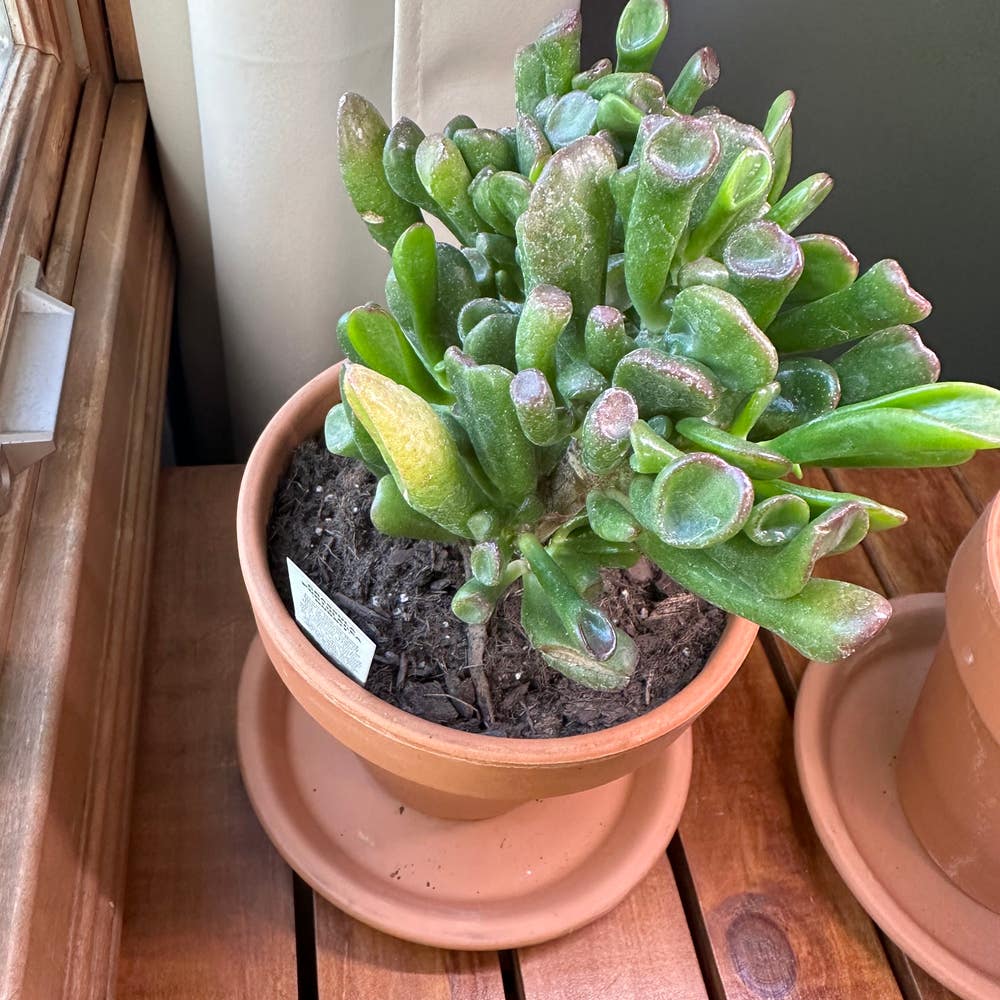
Best Tips for Dealing with Black Spots on Crassula 'Hobbit' 🔍
Crassula ovata 'Hobbit'
By the Greg Editorial Team
Nov 24, 2024•5 min read
This article was created with the help of AI so we can cover more plants for you. May contain errors. See one? Report it here.
Revive your Crassula 'Hobbit' from pesky black spots to vibrant health with these essential care tips! 🌱
- 💧 Overwatering causes black spots; ensure soil dries before watering every 2-3 weeks.
- 🦠 Fungal infections and pests lead to black spots; identify them for effective treatment.
- 🌞 Bright, indirect sunlight and good air circulation prevent black spots on Crassula 'Hobbit'.
Causes of Black Spots
💧 Overwatering and Root Rot
Overwatering is a common culprit behind black spots on Crassula 'Hobbit'. Symptoms include yellowing leaves, mushy stems, and those dreaded black spots that signal trouble.
Root rot occurs when excess moisture fosters fungal growth in the soil. To prevent this, aim to water your plant every 2-3 weeks, ensuring the soil dries out completely between waterings.
🍄 Fungal Infections
Fungal infections like black spot fungus (Alternaria) and powdery mildew can also lead to unsightly black spots. Look for dark spots on leaves, wilting, and even leaf drop as telltale signs of these infections.
High humidity and poor air circulation create perfect conditions for fungal growth. Keeping your plant in a well-ventilated area can help mitigate these risks.
🐛 Pest Infestations
Mealybugs
Mealybugs are another threat to your Crassula 'Hobbit'. You can identify them by their white, cotton-like masses on leaves and stems.
These pests can cause yellowing leaves and black spots due to their honeydew secretion, which can lead to further issues if left unchecked.
Aphids
Aphids are small, green or black insects that often invade new growth. Their presence can lead to leaf curling and discoloration, contributing to those pesky black spots.
Regularly inspecting your plant for these pests can help you catch infestations early and keep your Crassula healthy.
Understanding these causes is crucial for effective treatment and prevention. Next, we’ll explore how to diagnose black spots on your plant accurately.
Diagnosing Black Spots
🕵️♂️ Identifying the Type of Black Spots
When you notice black spots on your Crassula 'Hobbit', the first step is to determine their origin. Fungal spots typically have irregular shapes and are often surrounded by yellowing tissue, indicating a potential infection.
In contrast, pest-related spots are usually smaller and may come with visible pests or sticky residue. Recognizing these differences is crucial for effective treatment.
🏥 Assessing Plant Health
Next, assess the overall health of your plant. Start by evaluating soil moisture; a moisture meter or a simple finger test can help you check for overwatering.
Look for signs of stress such as drooping leaves, discoloration, or stunted growth. These indicators can guide you in diagnosing the underlying issues affecting your plant's health.
By accurately identifying the type of black spots and assessing plant health, you can take the right steps toward restoring your Crassula 'Hobbit' to its vibrant self. This understanding sets the stage for effective treatment options that follow.
Treatment Options
Step-by-Step Guide to Treating Overwatering Issues 🌊
Overwatering can wreak havoc on your Crassula 'Hobbit'. Start by carefully removing the plant from its pot to inspect the roots.
Trim away any black, mushy roots using sterilized scissors. This step is crucial to prevent further damage.
Next, repot your plant in fresh, well-draining soil. Ensure that the pot has drainage holes to facilitate proper moisture control.
Finally, adjust your watering schedule. Aim to let the soil dry out completely between waterings, typically every 2-3 weeks.
Fungal Treatment Methods 🍄
Fungal infections can also lead to those peskypestsk spots. Here’s how to tackle them effectively.
Chemical Treatments
Consider using fungicides as a targeted approach. Apply according to the package instructions, focusing on the affected areas for the best results.
Natural Remedies
If you prefer a more natural route, neem oil is a great option. Mix it with water and spray it on the affected leaves to combat fungal growth.
Another effective preventive measure is a baking soda solution. Combine 1 tablespoon of bakCrassula 'Hobbit'lon of water and use it as a spray to keep fungal issues at bay.
Pest Control Slightgies 🐛
Pests can contribute to the black spots on your plant, so it’s essential to address tsoil moisture
Insecticidal Soap
Insectisoill soap is a straightforward solution. Spray it directly on the pests, ensuring thorough coverage to eliminate them effectively.
Neem Oil
Neem oil is versatile and can also pestsed for pest control. Mix it with water and apply every 7-14 days until you notice a significant reduction in pest activity.
By following these treatment options, you can restore your Crassula 'Hobbit' to its vibrant self. Next, let’s explore preventive measures to keep your plant healthy and thriving.
Preventive Measures
Best Watering Practices 🌊
To keep your Crassula 'Hobbit' thriving, stick to a watering schedule of every 2-3 weeks. Always check that the top 2 inches of soil are dry before giving your plant a drink.
Ideal Light and Temperature Conditions ☀️
Your plant loves bright, indirect sunlight, so aim for 6-8 hours of exposure daily. Also, maintain a stable temperature, avoiding sudden drops that could stress your succulent.
Regular Inspection Tips 🔍
Make it a habit to check your plant weekly for pests and signs of stress. A simple wipe of the leaves with a damp cloth can help remove dust, enhancing photosynthesis and overall health.
By following these preventive measures, you can significantly reduce the risk of black spots and keep your Crassula 'Hobbit' looking its best. Next, let’s explore how to care for your plant after treatment to ensure it continues to thrive.
Post-Treatment Care
🌱 Rehabilitating a Stressed Plant
After addressing the black spots on your Crassula 'Hobbit', it's essential to help your plant recover. Start by gradually reintroducing it to light; begin with indirect sunlight and slowly increase exposure over a week or two.
Monitoring soil moisture is equally crucial. Ensure the soil dries out properly between waterings to prevent any recurrence of issues.
🔍 Monitoring for Recurrence
Keep a close eye on your plant's leaves for any new spots or signs of pests. Regular inspections will help you catch any problems early before they escalate.
Adjust your care routine based on how your plant responds to treatment. This proactive approach will ensure your Crassula 'Hobbit' thrives and remains healthy in the long run.
⚠️ Safety First
This content is for general information and may contain errors, omissions, or outdated details. It is not medical, veterinary advice, or an endorsement of therapeutic claims.
Always consult a qualified healthcare professional before using any plant as food, medicine, or supplement.
Never eat any plant (or feed one to pets) without confirming its identity with at least two trusted sources.
If you suspect poisoning, call Poison Control (800) 222-1222, the Pet Poison Helpline (800) 213-6680, or your local emergency service immediately.
Spotted an error? Please report it here.
Revive your Crassula 'Hobbit' from pesky black spots with Greg's tailored care tips 🌱, ensuring it thrives with the perfect watering schedule and pest control strategies!