Does My Sweet William Need Direct Sunlight?
Dianthus caryophyllus
By the Greg Editorial Team
Jun 14, 2024•5 min read
This article was created with the help of AI so we can cover more plants for you. May contain errors. See one? Report it here.
- 🌞 Full sun needed for vibrant flowers and robust growth in Sweet William.
- 🌈 Sunlight enhances color vibrancy and ensures timely flowering.
- 🛡️ Use shading techniques to protect from excessive direct sunlight.
Optimal Sunlight Conditions for Sweet William
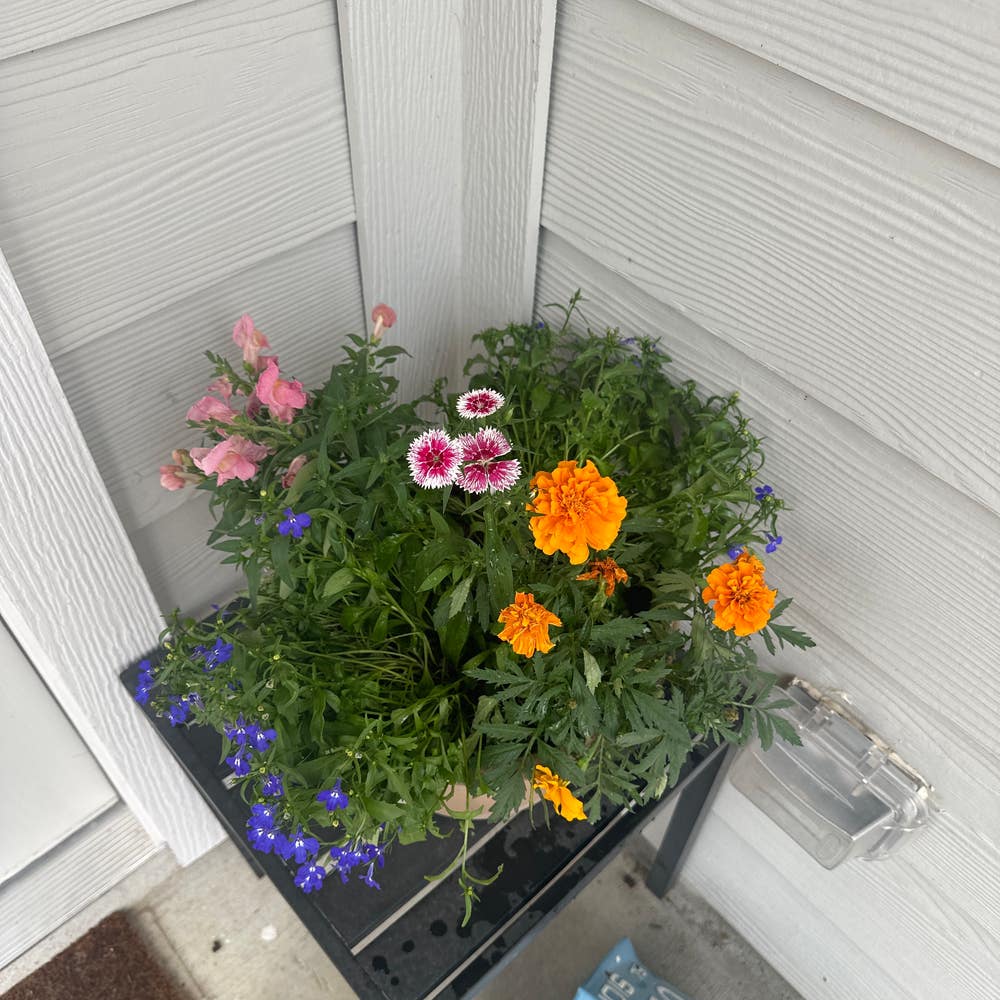
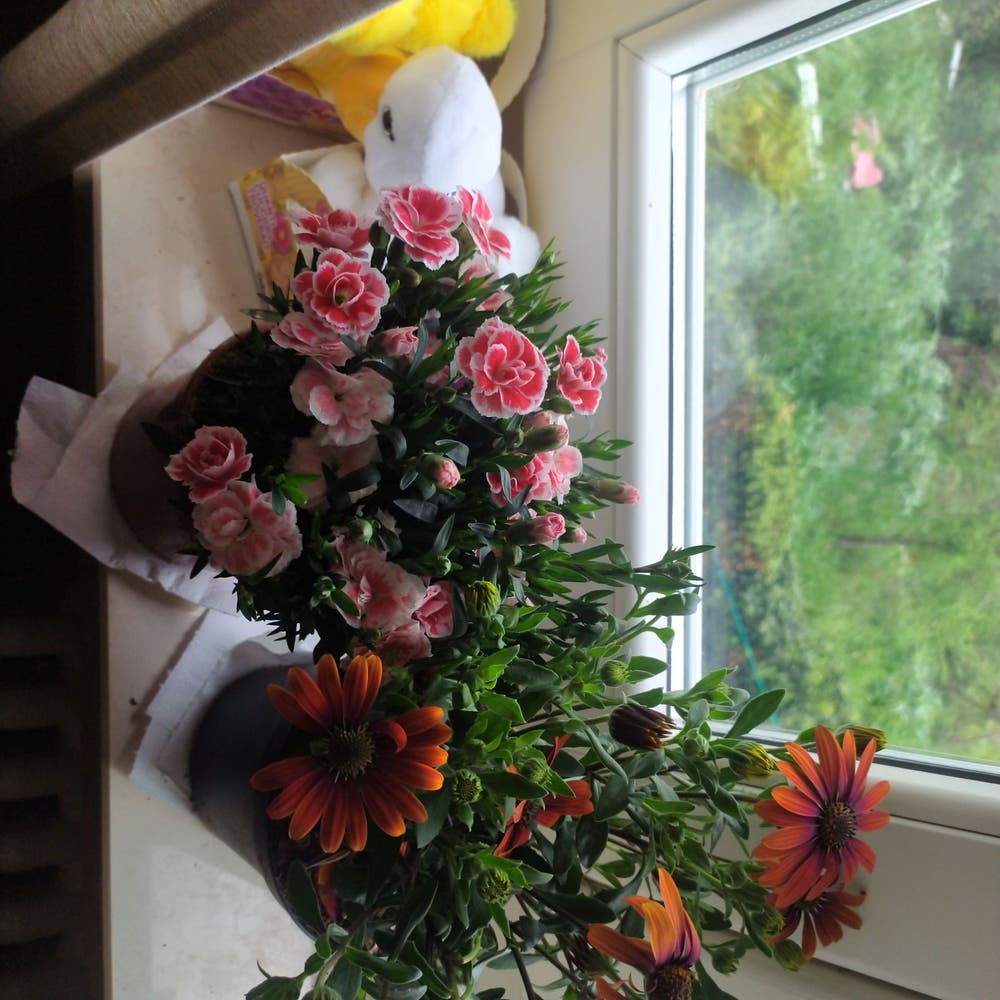
Sweet William plants are sun worshipers, thriving best when basking in full sun. They're not the type to shy away from a little spotlight; in fact, they need it to produce those vibrant clusters of red, white, purple, and pink flowers that can grow up to 18 inches tall.
🌞 Sunlight Exposure
Sweet William's preference for sunlight isn't just a passing fancy; it's a growth imperative. Full sun exposure ensures these plants have the energy to develop fully and show off their best colors.
🌱 Growth and Development
Sunlight is like a secret ingredient in Sweet William's recipe for success. It fuels their growth and encourages the production of flowers that are not just numerous but also rich in color. Without enough sun, Sweet William might as well be wearing sunglasses at a rave—they just won't shine as bright.
🌿 Planting Considerations
When planting, it's crucial to avoid areas where taller plants might cast a shadow over your Sweet William. Think of it as the social butterfly of the garden; it doesn't like being overshadowed.
💧 Fertilizer and Care
While soaking up the sun, Sweet William also appreciates a good meal. A quality fertilizer at planting and monthly feedings will keep it from being a hungry, sun-struck flower.
💦 Watering Needs
Despite its love for the sun, Sweet William doesn't want to dry out. Keeping the soil moist (but not soggy) will prevent it from becoming the plant equivalent of a sunburnt tourist—parched and unhappy. Remember, it's all about that perfect tan, not a burn.

Direct Sunlight and Flowering in Sweet William
Sweet William's blooms are directly influenced by sunlight. Full sun encourages timely and robust flowering.
🌞 Timing and Quality of Blooms
Direct sunlight is like a green light for Sweet William's flowering process. Without it, you might as well be waiting for a bus that never comes. Full sun ensures that the first buds don't dawdle and the flowers don't skimp on quality.
💥 Vibrancy of Flower Colors
Sunlight doesn't just get Sweet William to the party; it dresses it in its Sunday best. The intensity of the sun's rays amps up the vibrancy of the petals, making the colors pop like nature's own fireworks display.

Adapting Sunlight Exposure for Sweet William
Navigating the sunlight needs of Sweet William can be a bit like playing Goldilocks—not too much, not too little, but just right.
🌞 Strategies for Sunlight Exposure
Climate is a big player here. If you're basking in the Mediterranean sun, your Sweet Williams will probably need some shade during the scorching midday hours. Conversely, in more temperate zones, you'll want to maximize sunlight to get those blooms popping.
- Rotate your pots regularly to ensure even sun exposure.
- Use shading techniques, like planting taller greenery nearby, to protect against the midday sun.
- In hotter climates, consider afternoon shade to prevent scorching.
- Cold climates may require positioning near a south-facing wall to soak up every ray.
🧭 Window Direction and Hemisphere Impact
The window direction in your home is like a compass to your plant's happiness.
🌄 East-Facing Windows
Morning light is gentle and kind, perfect for Sweet William to start the day without getting overwhelmed.
🌇 West-Facing Windows
These can be tricky with intense afternoon light, so maybe keep those blinds handy to filter the sun's enthusiasm.
🌞 South-Facing Windows
They're the solar powerhouses, offering a consistent light buffet. But watch out, it can be a bit much for our floral friends.
🌚 North-Facing Windows
These are the underdogs of sunlight, offering a more consistent but dimmer light source, which might not cut it for Sweet William without some help from artificial lighting.
Hemispheres matter too. If you're up north, south-facing windows are your best bet for maximum light. Down south? Flip it—north-facing is where it's at. Keep this in mind, and your Sweet Williams will thank you with a riot of color.

Protecting Sweet William from Excessive Direct Sunlight
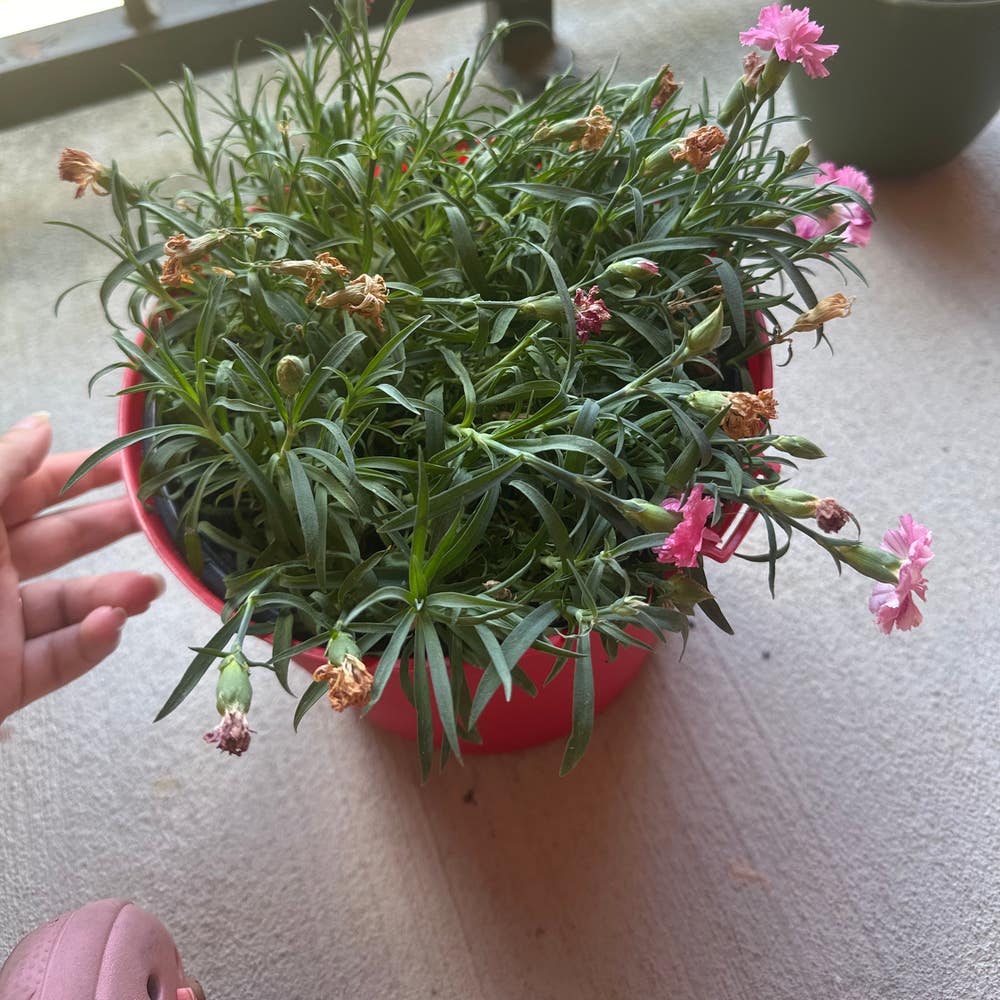
Sweet William enjoys basking in the sun, but too much of a good thing can lead to a botanical sunburn. Signs of overexposure include leaves that are bleached, wilted, or crispy to the touch. If your Sweet William is starting to look more fried than a beachgoer without sunscreen, it's time to intervene.
🌞 Mitigating Sun Damage
Immediate action is crucial to prevent further damage. Relocate your Sweet William to a spot with less intense light, perhaps where it can enjoy the morning sun but is shielded during the harsher afternoon rays. If moving the plant isn't feasible, consider using a sunshade or sheer curtains to filter the sunlight. This can create a soft light environment that's more spa retreat and less desert wasteland for your plant.
🕶️ Shading Techniques
If your Sweet William could talk, it would probably tell you it didn't sign up for a full-day sunbathing session. To control sunlight exposure, strategically place shading materials like a lightweight cloth or a plant umbrella during peak hours. Think of it as giving your plant a pair of sunglasses. Rotate the plant regularly to ensure even growth and prevent one side from hogging all the glory.
Remember, while Sweet William can handle a bit of a tan, it's not trying to compete with your leather sofa. Keep an eye on the sunlight and your plant will thank you by not turning into a botanical crisp.
⚠️ Safety First
This content is for general information and may contain errors, omissions, or outdated details. It is not medical, veterinary advice, or an endorsement of therapeutic claims.
Always consult a qualified healthcare professional before using any plant as food, medicine, or supplement.
Never eat any plant (or feed one to pets) without confirming its identity with at least two trusted sources.
If you suspect poisoning, call Poison Control (800) 222-1222, the Pet Poison Helpline (800) 213-6680, or your local emergency service immediately.
Spotted an error? Please report it here.
Watch your Sweet William flourish in full bloom 🌸 with Greg's tailored reminders for sunlight exposure and optimal watering.