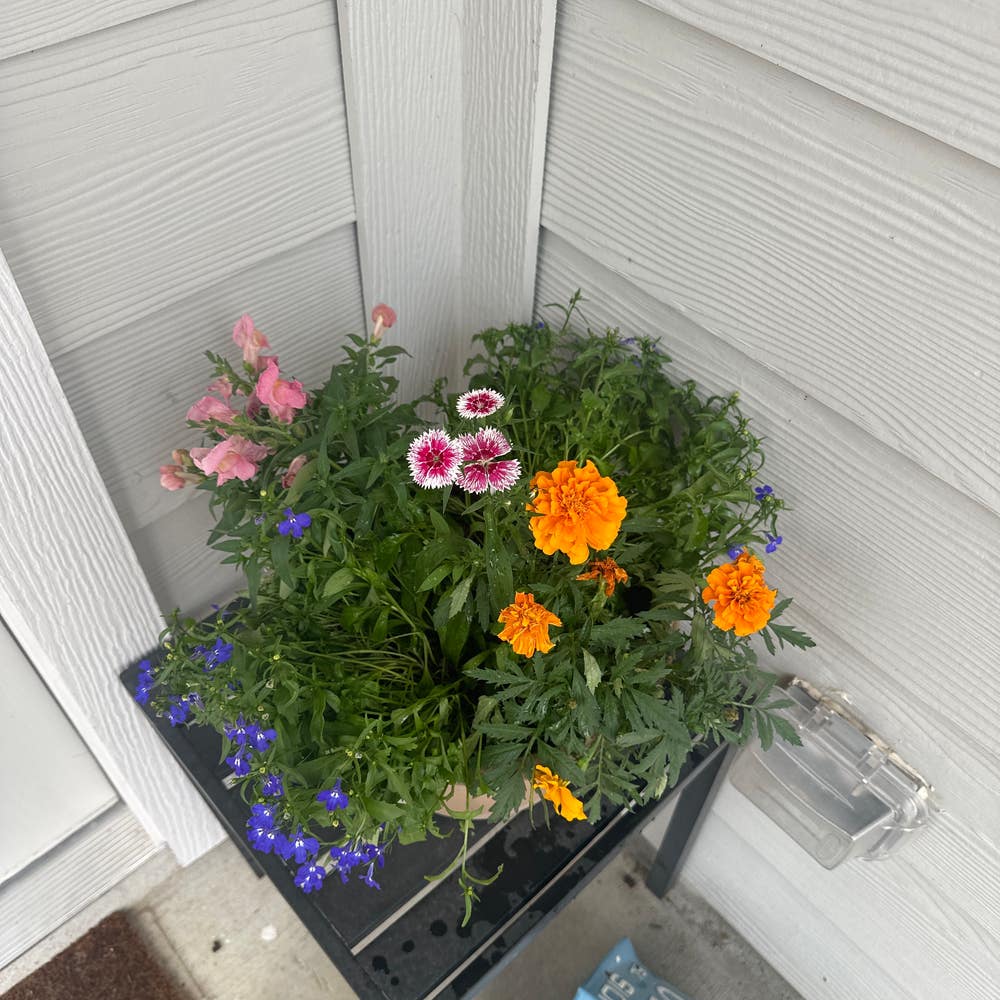
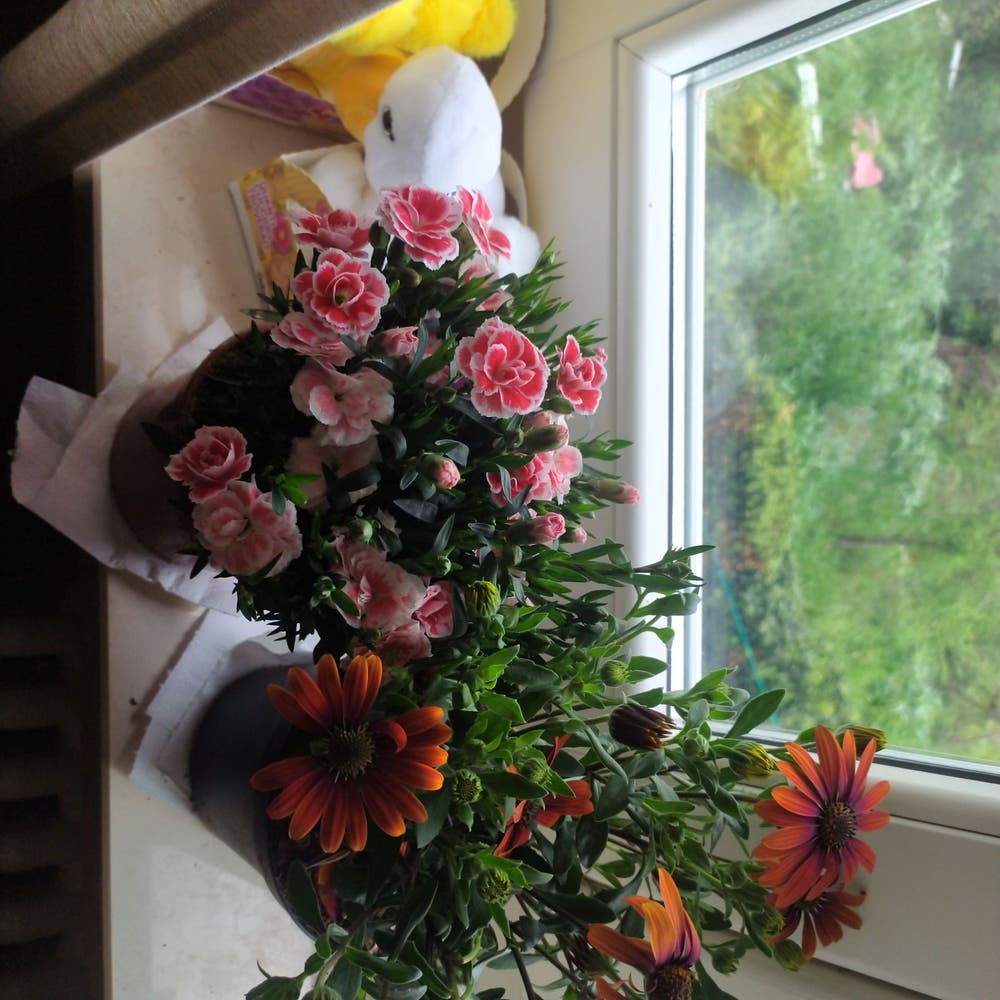
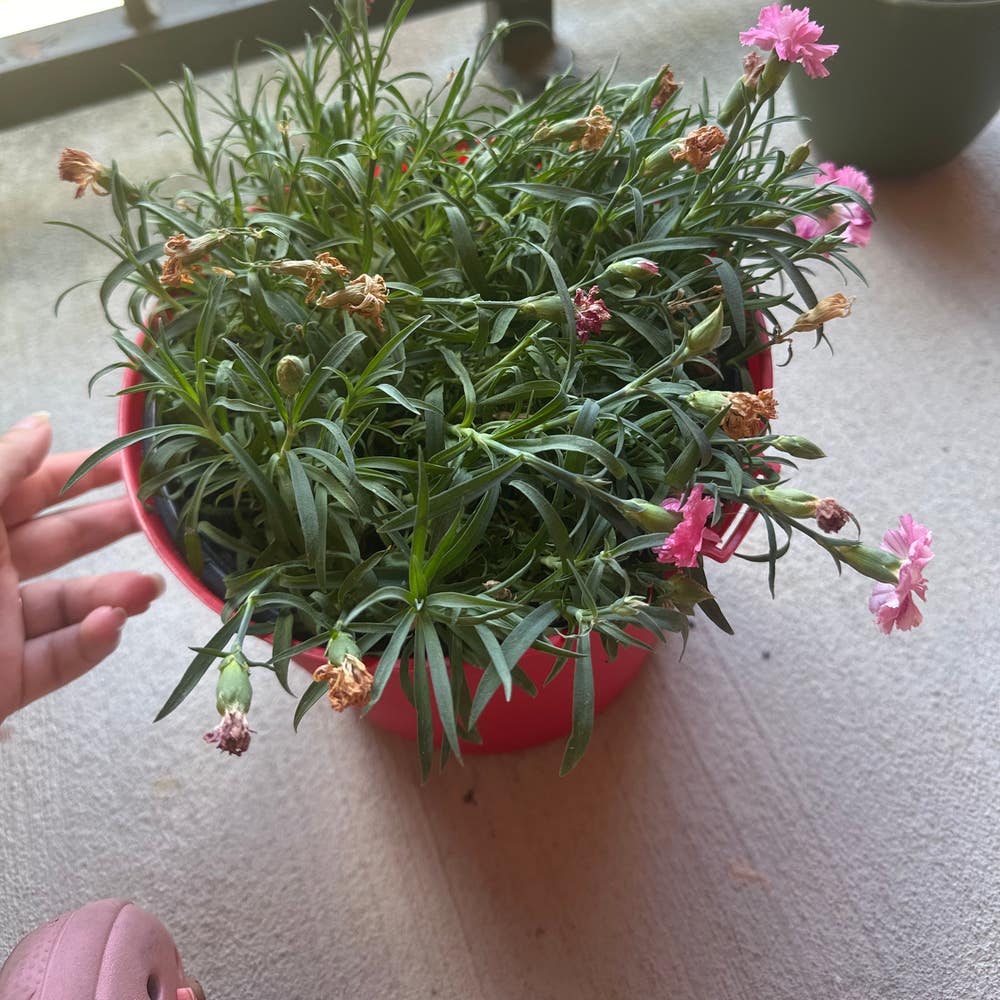
💧 How Often Should I Water My Sweet William?
Dianthus caryophyllus
By the Greg Editorial Team
Jun 14, 2024•4 min read
This article was created with the help of AI so we can cover more plants for you. May contain errors. See one? Report it here.
- Check soil moisture with finger or meter, not a calendar, to guide watering.
- Deep watering promotes root health, but avoid overwatering and ensure drainage.
- Adjust for seasons and flowering, increasing in summer and during blooms.
Determining Watering Frequency for Sweet William
💧 Assessing Soil Moisture Levels
Sweet William's roots crave moisture but despise sogginess. To strike the right balance, forget the guesswork. Use your finger or a moisture meter to check the soil a couple of inches down. If it feels like a wrung-out sponge, you're golden. Too dry? Time to water. Too wet? Ease up on the hydration station.
🚰 Adjusting Watering Accordingly
If you're watering more often than you're calling your mom, you might be overdoing it. On the flip side, if your Sweet William is thirstier than a marathon runner, it's time to up your game. Adjust your watering schedule based on the soil's moisture level, not the calendar.
🌞 Seasonal Variations in Watering Needs
Summer's heat turns Sweet William into a bit of a diva, demanding more frequent drinks. As the temperature rises, so should your watering frequency. But when winter rolls in, these plants chill out. They'll need less water as they enter a slower growth phase. Keep an eye on the weather and tweak your watering routine accordingly.

Best Watering Practices for Sweet William
💧 Deep Watering Techniques
Deep watering is key for Sweet William's root health. Aim to moisten the soil to a depth that matches the height of the root ball. This encourages roots to grow downward, creating a robust system that's better equipped to access nutrients and withstand dry spells.
🚱 Avoiding Overwatering
Overwatering is the fast track to root rot. Ensure the top inch of soil is dry before adding more water. This method prevents the roots from sitting in moisture for too long, which is as welcome to plants as soggy socks to us.
🚰 Ensuring Proper Drainage
Sweet William despises waterlogged feet. Use pots with drainage holes or, if in the ground, ensure the soil is well-draining. A good mix of potting soil and organic matter can help with this. Remember, standing water is a no-go unless you're a duck.
💦 Watering Schedule
Consistency is your friend. Establish a watering schedule that aligns with the dryness of the soil and stick to it. This prevents the roots from becoming the botanical equivalent of a yo-yo, bouncing between too wet and too dry.
🌅 Morning Watering
Water in the morning to allow the soil to absorb moisture before the heat of the day. This timing helps prevent evaporation and gives the plant a good start. Plus, it's a great excuse to enjoy the garden in the cool, early hours.
💧 Quality of Water
Filtered or rainwater is the champagne of the plant world. Avoid softened water, which can contain salts that accumulate in the soil. Think of it as avoiding junk food for your plants – they'll thank you with vibrant blooms.

Adjusting Watering for Mature Sweet William Plants
💧 Assessing Water Needs
Mature Sweet William plants have established roots that require careful attention to watering. As they grow, their thirst changes. Monitor the soil; it's the tell-tale sign of their needs. When the top inch feels dry, it's time to water.
💦 Watering During Flowering
Flowering is showtime, and Sweet William demands more hydration to fuel those vibrant clusters. Increase watering slightly during this stage, but always check the soil first to prevent overzealousness from leading to soggy feet.
🌞 Seasonal Adjustments
Summer's heat can make your Sweet Williams guzzle water like there's no tomorrow. In contrast, they'll sip less during cooler months. Adjust your watering frequency with the rhythm of the seasons, ensuring moisture without the muck.
🌼 Post-Bloom Care
Once the fanfare of flowering ends, it's tempting to slack on care. Don't. Sweet William's post-bloom phase is crucial for recovery and preparation for the next show. Maintain consistent watering, but slightly reduce the amount as growth slows.
🌱 Long-Term Health
For the long haul, Sweet William appreciates consistency. Water deeply to encourage deep root growth, but allow the soil to dry between waterings. This balance promotes health and deters root rot, keeping your blooms buoyant year after year.

⚠️ Safety First
This content is for general information and may contain errors, omissions, or outdated details. It is not medical, veterinary advice, or an endorsement of therapeutic claims.
Always consult a qualified healthcare professional before using any plant as food, medicine, or supplement.
Never eat any plant (or feed one to pets) without confirming its identity with at least two trusted sources.
If you suspect poisoning, call Poison Control (800) 222-1222, the Pet Poison Helpline (800) 213-6680, or your local emergency service immediately.
Spotted an error? Please report it here.
Flourish your Sweet William with precision 🌺 by letting Greg tailor a watering plan that considers your home's unique conditions and the plant's seasonal needs.