🌼 Step-by-Step Guide to Growing Orange Mini Carnation Indoors
Dianthus caryophyllus
By the Greg Editorial Team
Oct 14, 2024•5 min read
This article was created with the help of AI so we can cover more plants for you. May contain errors. See one? Report it here.
- 🌞 Orange mini carnations need 12-16 hours of bright, indirect sunlight daily.
- 💧 Water every 5-7 days; adjust for humidity and temperature changes.
- 🌿 Maintain 40-60% humidity and 18°C to 24°C for optimal growth.
Light Requirements
Ideal Light Levels for Growth 🌞
To thrive, orange mini carnations need bright, indirect sunlight. Aim for a light duration of 12-16 hours daily to keep them flourishing.
Role of Grow Lights 💡
In low-light conditions, supplemental lighting becomes essential. Grow lights can provide consistent growth, ensuring your plants receive the energy they need.
Choosing the Best Grow Light 🛠️
When selecting grow lights, consider the types available: LED and fluorescent.
- LED Lights: Energy-efficient and long-lasting, they emit a full spectrum of light.
- Fluorescent Lights: Affordable and effective, they work well for seedlings and young plants.
For optimal growth, aim for a wattage of 20-40 watts per square foot. A spectrum that includes both blue and red light will support various growth stages.
Placement Tips: Position your grow lights 12-24 inches above the plants to ensure even light distribution. Adjust the height as your plants grow to maintain effectiveness.
With the right light setup, your orange mini carnations will thrive, setting the stage for vibrant blooms. Next, let’s explore their watering needs to keep them hydrated and healthy.
Watering Needs
Frequency and Amount 🌊
To keep your orange mini carnations thriving, establish a watering schedule of every 5-7 days. Adjust this based on humidity and temperature; always water until it drains from the bottom of the pot for optimal moisture.
Signs of Overwatering and Underwatering 🚨
Be vigilant about your plant's health. Overwatering can lead to yellowing leaves, mushy stems, and even root rot, while underwatering results in wilting, dry leaves, and stunted growth.
Recognizing these signs early can save your plant from distress. By monitoring your watering routine and the plant's response, you'll ensure a flourishing indoor garden.
With proper watering in place, let's explore how humidity and temperature affect your mini carnations next.
Humidity and Temperature
Ideal Humidity Levels 🌧️
Maintaining the right humidity is crucial for your orange mini carnations. Aim for a humidity range of 40-60% to keep your plants thriving.
To boost humidity, consider using pebble trays filled with water, setting up a humidifier, or misting the plants regularly. These methods help create a cozy environment that encourages healthy growth.
Temperature Preferences 🌡️
Your orange mini carnations prefer a comfortable temperature range of 18°C to 24°C (65°F to 75°F). Keeping them within this range ensures they stay vibrant and productive.
Avoid exposing your plants to extreme temperature fluctuations. Sudden changes can stress them out, leading to poor growth and health issues.
Soil and Fertilization
Best Soil Types 🌱
For your orange mini carnations, a well-draining potting mix is essential. A combination of peat, perlite, and vermiculite creates the perfect environment for healthy root development.
Maintaining the right soil pH is crucial too. Aim for a pH level between 6.0 and 7.0 to ensure optimal nutrient uptake.
Fertilization Schedule 🗓️
Fertilizing your mini carnations every 4-6 weeks during the growing season will keep them thriving.
You can choose between a balanced liquid fertilizer or slow-release granules, depending on your preference and convenience.
By following these soil and fertilization guidelines, you’ll set the stage for vibrant blooms and robust growth.
Next, let’s dive into common issues and solutions to keep your plants healthy and flourishing.
Common Issues and Solutions
🐛 Pests and Diseases
Common Pests
Orange mini carnations can attract a few unwelcome guests. Watch out for aphids, spider mites, and whiteflies, which can wreak havoc on your plants.
Signs of infestation include sticky residue on leaves, webbing, and yellowing foliage. If you notice these symptoms, it’s time to take action.
Prevention and Treatment Methods
Regular inspections are key to maintaining plant health. Keeping a close eye on your carnations can help you catch any issues early.
For treatment, consider organic pest control methods like neem oil or insecticidal soap. Introducing beneficial insects can also help keep pests at bay.
🌪️ Environmental Stress
Signs of Stress
Your orange mini carnations can show signs of stress in various ways. Look for leaf drop, discoloration, and stunted growth as indicators that something is off.
These symptoms often signal that your plant needs immediate attention to thrive.
Solutions for Maintaining Optimal Conditions
To combat environmental stress, start by adjusting light exposure and temperature settings. Ensuring your plants are in their ideal conditions can make a significant difference.
Implementing humidity control measures, such as using pebble trays or humidifiers, can also help create a more favorable environment for growth.
By staying vigilant and proactive, you can keep your orange mini carnations healthy and vibrant. Next, let’s explore the best placement and maintenance practices to ensure your plants flourish.
Placement and Maintenance
🌅 Best Locations in the Home
For your orange mini carnations to thrive, place them near east or west-facing windows. These locations provide the bright, indirect sunlight they crave.
Avoid placing your plants near drafts or heat sources. Keeping them away from air conditioning vents and heaters helps maintain a stable environment.
✂️ Maintaining Appearance
Pruning and Deadheading Techniques
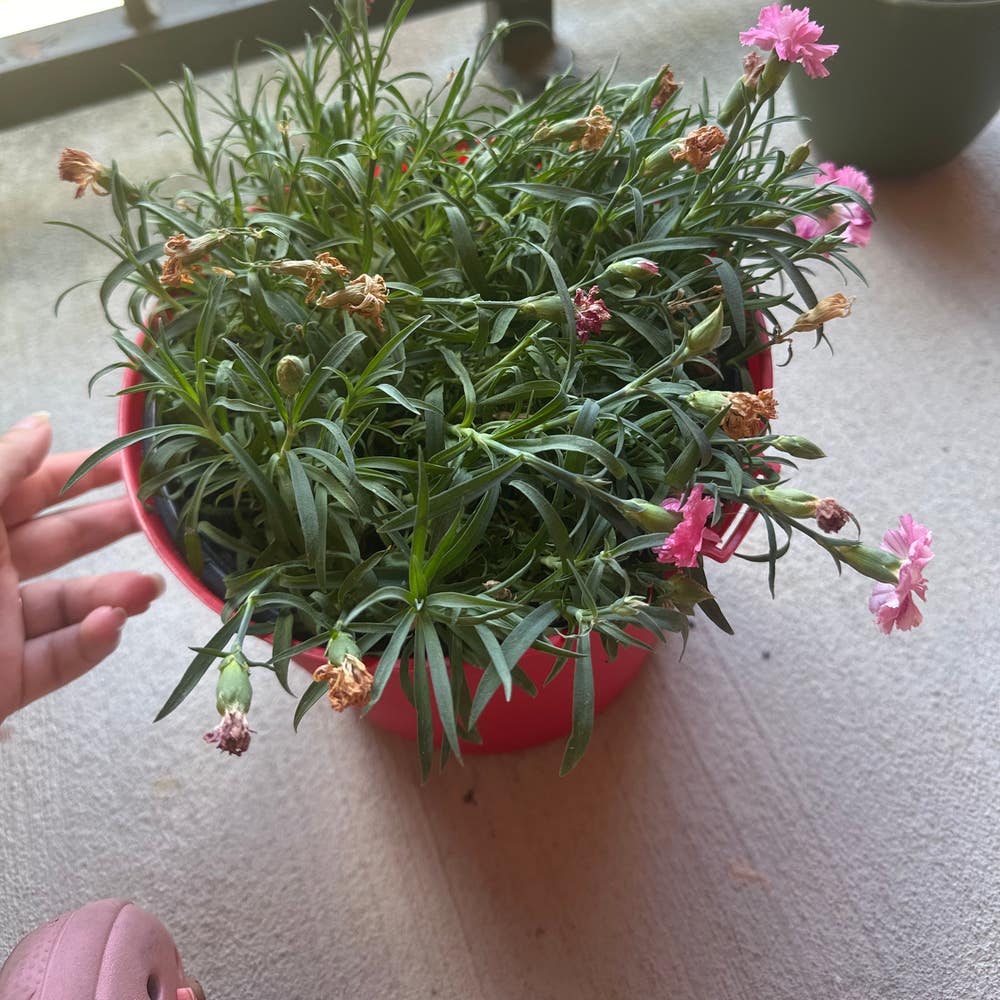
Regularly removing spent blooms is crucial for encouraging new growth. This simple act not only keeps your plant looking tidy but also promotes a healthier, bushier appearance.
When pruning, cut back stems to stimulate bushier growth. This technique helps your mini carnation develop a fuller shape, enhancing its overall beauty.
🌼 Tips for Prolonging Blooming Period
To extend the blooming period, stick to a regular fertilization schedule. Consistent watering is equally important to keep your plants happy and thriving.
Keep a close eye on light and humidity levels. Monitoring these factors ensures your mini carnations have the optimal conditions they need to flourish.
With these placement and maintenance tips, your orange mini carnations will not only survive but thrive, bringing vibrant color to your indoor space. Next, let’s explore common issues and solutions to keep your plants in top shape.
⚠️ Safety First
This content is for general information and may contain errors, omissions, or outdated details. It is not medical, veterinary advice, or an endorsement of therapeutic claims.
Always consult a qualified healthcare professional before using any plant as food, medicine, or supplement.
Never eat any plant (or feed one to pets) without confirming its identity with at least two trusted sources.
If you suspect poisoning, call Poison Control (800) 222-1222, the Pet Poison Helpline (800) 213-6680, or your local emergency service immediately.
Spotted an error? Please report it here.
Transform your indoor space with vibrant orange blooms 🌼 by using Greg's tailored watering alerts and light tips to keep your mini carnations thriving all year round!