5 Tips for Healing Black Spots on Your Orange Mini Carnation 🍊
Dianthus caryophyllus
By the Greg Editorial Team
Oct 14, 2024•5 min read
This article was created with the help of AI so we can cover more plants for you. May contain errors. See one? Report it here.
- 🌱 Black spots on Orange Mini Carnations often stem from fungal and bacterial infections.
- 🌡️ Ideal humidity (40%-60%) and temperatures (65°F-75°F) promote healthy growth and prevent spots.
- 🧴 Organic treatments like neem oil effectively combat black spots and improve plant health.
Causes of Black Spots
🦠 Fungal Infections and Their Impact
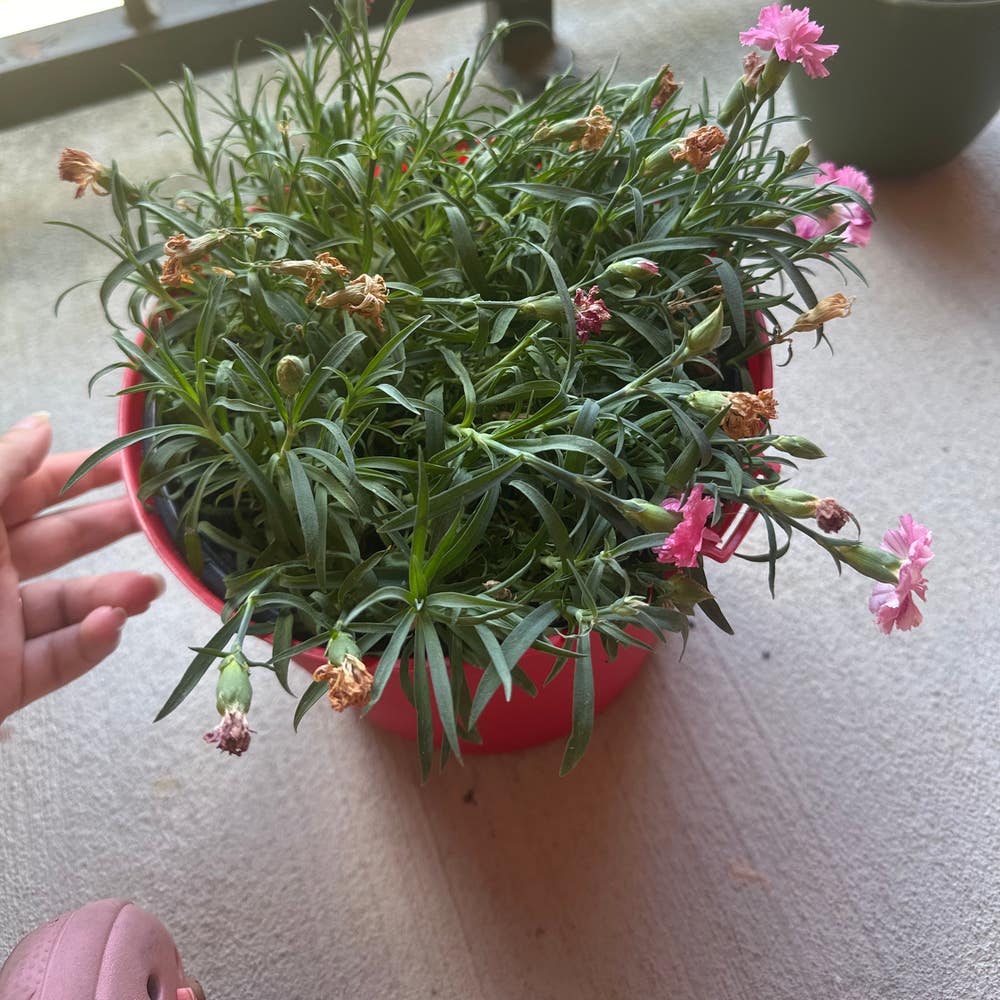
Fungal infections are a primary culprit behind black spots on your Orange Mini Carnation. One of the most common is leaf spot disease, which manifests as dark, irregular patches on leaves that can spread rapidly if not addressed.
Identifying fungal spores is crucial for diagnosis. Look closely at the leaves; if you see tiny, dark specks, you may be dealing with a fungal issue.
🦠 Bacterial Infections and Symptoms
Bacterial infections can also lead to unsightly black spots. Symptoms often include water-soaked spots that may develop a yellow halo around the edges, signaling a bacterial leaf spot.
Conditions that favor bacterial growth include high humidity and poor air circulation. Keeping your plants in well-ventilated areas can help mitigate this risk.
🌡️ Environmental Stress Factors
Humidity and temperature play significant roles in the health of your Orange Mini Carnation. Ideally, these plants thrive in humidity levels between 40% and 60%.
Temperature is equally important; maintaining a range of 65°F to 75°F promotes optimal growth. Extreme fluctuations can stress the plant, leading to discoloration.
🥦 Nutrient Deficiencies Leading to Discoloration
Nutrient deficiencies can also cause black spots. Key nutrients like nitrogen, potassium, and magnesium are essential for vibrant, healthy foliage.
Symptoms of nutrient deficiencies often include yellowing leaves and the appearance of black spots. Regularly checking your soil and fertilizing appropriately can help prevent these issues.
Understanding these causes is the first step in addressing black spots effectively. Next, we’ll explore how to diagnose the type of black spots affecting your plant.
Diagnosing Black Spots
🕵️♂️ Identifying the Type of Black Spots
To effectively diagnose black spots on your Orange Mini Carnation, start by examining their visual characteristics. Fungal spots typically appear as dark, irregular shapes, while bacterial spots are often water-soaked and surrounded by yellowing tissue.
🔍 Differentiating Between Fungal and Bacterial Issues
Next, focus on the patterns of spread and the location of the spots on the leaves. Fungal infections usually spread more uniformly, while bacterial issues may appear sporadically. Pay attention to the leaf texture and moisture levels, as these can provide crucial clues about the underlying problem.
🌦️ Assessing Environmental Conditions
Evaluating the environmental conditions is essential for accurate diagnosis. Use tools like hygrometers to measure humidity levels, ensuring they align with the ideal range for your plant.
Adjusting temperature and humidity can significantly impact your plant's health. If conditions are unfavorable, consider making changes to create a more supportive environment for your Orange Mini Carnation.
With a clear understanding of the type of spots and the environmental factors at play, you can move on to effective treatment options.
Treatment Options
🌱 Organic Fungicides and Their Application
When it comes to treating black spots on your Orange Mini Carnation, organic fungicides are a great choice. Two effective types are neem oil and sulfur-based products.
Neem oil works by disrupting the life cycle of fungi, while sulfur helps prevent fungal growth. Apply these fungicides every 7 to 14 days, ensuring you cover both the tops and undersides of the leaves for maximum effectiveness.
🧪 Homemade Remedies for Black Spots
If you prefer DIY solutions, several homemade remedies can help combat black spots. One popular option is a baking soda solution.
To create this remedy, mix one tablespoon of baking soda with a quart of water. Spray it on affected areas every week until you see improvement. Another effective treatment is garlic spray, which can deter fungal infections.
To make garlic spray, blend a few cloves of garlic with water, strain the mixture, and spray it on the leaves. This natural remedy not only helps with black spots but also adds a layer of protection against pests.
✂️ Pruning Affected Leaves and Proper Disposal
Pruning is essential for managing black spots effectively. Start by identifying and selecting the affected leaves.
- Use clean, sharp scissors to cut away the damaged areas.
- Dispose of the leaves properly to prevent the spread of disease.
This simple step can significantly improve your plant's health and appearance.
💧 Adjusting Watering Practices
Watering practices play a crucial role in the health of your Mini Carnations. It's important to maintain the right soil moisture levels.
Signs of overwatering include yellowing leaves and root rot, while underwatering may cause wilting and dry leaves. Aim for a consistent watering schedule, allowing the top inch of soil to dry out between waterings. This balance will keep your plants thriving and reduce the risk of black spots.
With these treatment options, you can effectively manage and prevent black spots on your Orange Mini Carnation. Next, let’s explore preventive measures to keep your plants healthy and vibrant.
Preventive Measures
Best Soil Practices for Drainage 🌱
To keep your Orange Mini Carnation healthy, start with the right soil. A well-draining potting mix is essential, as it prevents water from pooling around the roots.
Incorporating perlite or sand into your soil mix enhances drainage. This ensures that excess moisture can escape, reducing the risk of fungal infections.
Importance of Air Circulation 💨
Good air circulation is vital for plant health. Space your plants appropriately to allow air to flow freely between them.
If you're growing indoors, consider using fans to improve airflow. This simple step can significantly reduce humidity levels around your plants, helping to prevent black spots.
Regular Inspection and Maintenance Routines 🔍
Regular inspections are key to catching issues early. Aim for weekly checks to spot any signs of black spots before they spread.
Maintaining a clean growing area is equally important. Remove any fallen leaves or debris that could harbor pests or diseases.
Choosing Disease-Resistant Varieties 🌼
Selecting disease-resistant cultivars can save you a lot of trouble. These varieties are bred to withstand common issues, making them a smart choice for any gardener.
By opting for resistant Orange Mini Carnation varieties, you can enjoy vibrant blooms with less worry about black spots. This proactive approach ensures a healthier garden overall.
With these preventive measures in place, your Orange Mini Carnation will thrive. Next, let’s explore effective treatment options for when black spots do appear.
⚠️ Safety First
This content is for general information and may contain errors, omissions, or outdated details. It is not medical, veterinary advice, or an endorsement of therapeutic claims.
Always consult a qualified healthcare professional before using any plant as food, medicine, or supplement.
Never eat any plant (or feed one to pets) without confirming its identity with at least two trusted sources.
If you suspect poisoning, call Poison Control (800) 222-1222, the Pet Poison Helpline (800) 213-6680, or your local emergency service immediately.
Spotted an error? Please report it here.
Revive your Orange Mini Carnation from black spots with Greg's tailored care tips 🌱, ensuring optimal humidity and watering schedules for a thriving plant!