🌸 Top 4 Signs Your Carnation Has Flower Problems
Dianthus caryophyllus
By the Greg Editorial Team
Oct 10, 2024•4 min read
This article was created with the help of AI so we can cover more plants for you. May contain errors. See one? Report it here.
- 🌞 Carnations need 6-8 hours of sunlight daily for optimal blooming.
- 🌱 Nutritional deficiencies in nitrogen, phosphorus, and potassium hinder flower growth.
- 💧 Overwatering causes flower drop; water only when the top inch of soil is dry.
Failure to Bloom
🌞 Potential Causes
Light Requirements
One of the primary reasons your carnation might fail to bloom is insufficient direct sunlight. Carnations thrive on 6-8 hours of sunlight daily, and seasonal changes can further complicate light availability.
Nutritional Deficiencies
Nutritional deficiencies can also hinder blooming. A lack of essential nutrients like nitrogen, phosphorus, and potassium, combined with poor soil quality and pH, can affect nutrient uptake.
Environmental Stress
Environmental stressors play a significant role in flower development. Temperature extremes—whether too hot or too cold—can disrupt blooming, as can poor drainage that leads to root rot.
💡 Solutions
Adjusting Light Exposure
To encourage blooming, start by adjusting your plant's light exposure. Moving your carnations to a sunnier spot can make a world of difference, ensuring they receive adequate sunlight.
If natural light is lacking, consider using grow lights. They can effectively supplement your plants' light needs, especially during darker months.
Fertilization
Fertilization is another crucial step for promoting blooms. Applying a balanced fertilizer during the growing season can provide the necessary nutrients for healthy growth.
Additionally, conducting soil tests can help you determine specific nutrient needs, ensuring your carnations get exactly what they require to flourish.
By addressing these potential causes and implementing these solutions, you can help your carnations bloom beautifully. Next, let’s explore the issue of premature flower drop and how to tackle it effectively.
Premature Flower Drop
Premature flower drop can be a frustrating issue for carnation enthusiasts. Understanding the common triggers can help you take action before your blooms are lost.
🚨 Common Triggers
Overwatering
One of the main culprits is overwatering. Signs of root rot, such as yellowing leaves and waterlogged soil, indicate that your plant is drowning.
Temperature Fluctuations
Temperature fluctuations can also wreak havoc on your carnations. Sudden changes can destabilize the plant, leading to premature drop of flowers.
🛠️ Solutions
Proper Watering Techniques
To combat overwatering, adopt proper watering techniques. Water your carnations only when the top inch of soil feels dry to the touch.
Ensure that your pots have adequate drainage holes. This allows excess water to escape, preventing root rot.
Temperature Control
Maintaining consistent temperatures is crucial. Aim for a range between 60°F to 70°F for optimal growth.
Avoid placing your plants near drafts or heat sources. These can create unstable conditions that stress your carnations.
By addressing these triggers and implementing effective solutions, you can help your carnations thrive and enjoy their beautiful blooms longer. Next, let’s explore abnormal flower development and how to identify and remedy those issues.
Abnormal Flower Development
🌱 Identifying Abnormal Growth Patterns
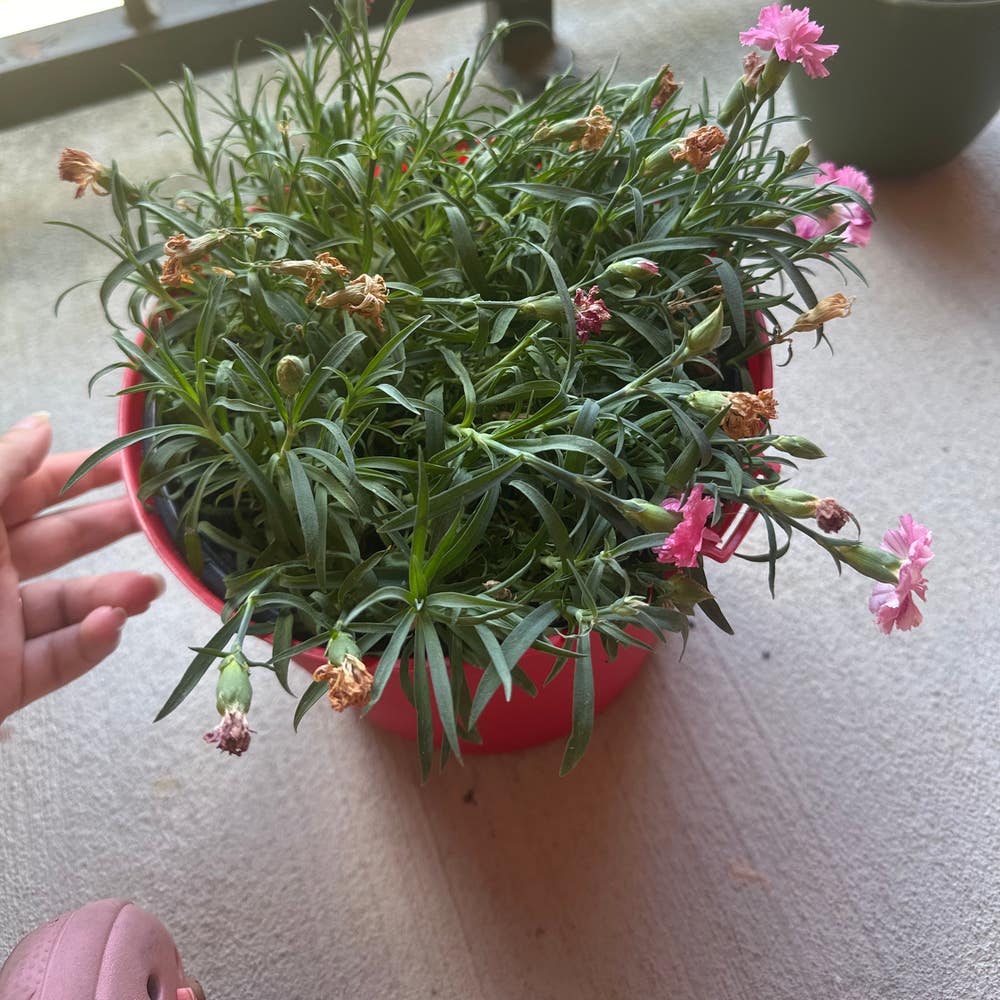
When your carnations show signs of abnormal flower development, it can be concerning. Look for inconsistencies in flower size and shape, as well as any discoloration or wilting of blooms.
💡 Solutions
✂️ Pruning Techniques
One effective way to encourage healthier blooms is through proper pruning. Start by removing dead or damaged flowers; this helps the plant focus its energy on new growth.
Pinching back stems can also promote bushier growth. This simple technique encourages your carnations to produce more flowers, enhancing their overall appearance.
⚗️ Nutrient Adjustments
Nutrient levels play a crucial role in flower development. Increasing phosphorus can significantly improve flower quality and size.
Additionally, monitoring soil pH is essential. Make amendments as necessary to ensure your carnations can absorb the nutrients they need for vibrant blooms.
With these strategies, you can help your carnations thrive and enjoy a stunning display of flowers. Next, let’s explore how environmental factors can impact flowering.
Environmental Factors Affecting Flowering
🌡️ Temperature and Humidity
Maintaining the right temperature and humidity is crucial for your carnations to thrive. The optimal temperature range for healthy flowering is between 60°F to 70°F.
Moderate humidity levels also play a significant role in preventing stress. Too much humidity can lead to fungal issues, while too little can cause wilting.
🐛 Pest and Disease Impact
Pests and diseases can severely impact the quality of your flowers. Common culprits include aphids and spider mites, which can sap the vitality of your plants.
Fungal diseases are another concern, often leading to wilting and bud drop. Keeping an eye on your plants can help you catch these issues early.
🛠️ Management Strategies
Regular inspection is key to maintaining healthy carnations. Look for early signs of pests or disease to address problems before they escalate.
If you spot any issues, consider using organic pesticides or insecticidal soap. These options can effectively manage pests while being gentle on your plants.
By keeping an eye on environmental factors and addressing potential threats, you can ensure your carnations bloom beautifully. Next, let’s explore how to identify and address abnormal flower development.
⚠️ Safety First
This content is for general information and may contain errors, omissions, or outdated details. It is not medical, veterinary advice, or an endorsement of therapeutic claims.
Always consult a qualified healthcare professional before using any plant as food, medicine, or supplement.
Never eat any plant (or feed one to pets) without confirming its identity with at least two trusted sources.
If you suspect poisoning, call Poison Control (800) 222-1222, the Pet Poison Helpline (800) 213-6680, or your local emergency service immediately.
Spotted an error? Please report it here.
Keep your carnations blooming vibrantly 🌸 by using Greg's tailored care reminders and nutrient tracking to ensure they thrive in the right light and conditions!