🌼 Ultimate Guide to Temperature for Orange Mini Carnation
Dianthus caryophyllus
By the Greg Editorial Team
Oct 14, 2024•4 min read
This article was created with the help of AI so we can cover more plants for you. May contain errors. See one? Report it here.
- 🌡️ Optimal temperature for orange mini carnations is 15°C to 20°C (59°F to 68°F).
- ❄️🔥 Signs of temperature stress include wilting, discoloration, and leaf curling.
- 🌍 Adapt care strategies based on local climate for thriving orange mini carnations.
Temperature Needs
Ideal Temperature Range for Growth 🌡️
To thrive, orange mini carnations prefer a cozy temperature range of 15°C to 20°C (59°F to 68°F). During the day, aim for 18°C to 22°C (64°F to 72°F), while nighttime temperatures should dip to 10°C to 15°C (50°F to 59°F).
Temperature Tolerance Limits 🌡️
These plants can handle some extremes, but there are limits. The upper tolerance is 25°C (77°F) and the lower is 5°C (41°F). Exceeding these thresholds can lead to poor plant health and diminished bloom quality, so it's crucial to monitor their environment closely.
Understanding these temperature needs is essential for cultivating healthy orange mini carnations. Next, we’ll explore the signs of temperature stress that can affect your plants.
Temperature Stress
❄️ Signs of Cold Stress
Cold stress can manifest in several noticeable ways. Look out for wilting leaves and stems, which indicate that your orange mini carnation is struggling.
Discoloration is another telltale sign; leaves may turn yellow or brown as the plant reacts to the chill. Additionally, you might notice reduced flowering or stunted growth, signaling that the plant is not thriving.
🔥 Signs of Heat Stress
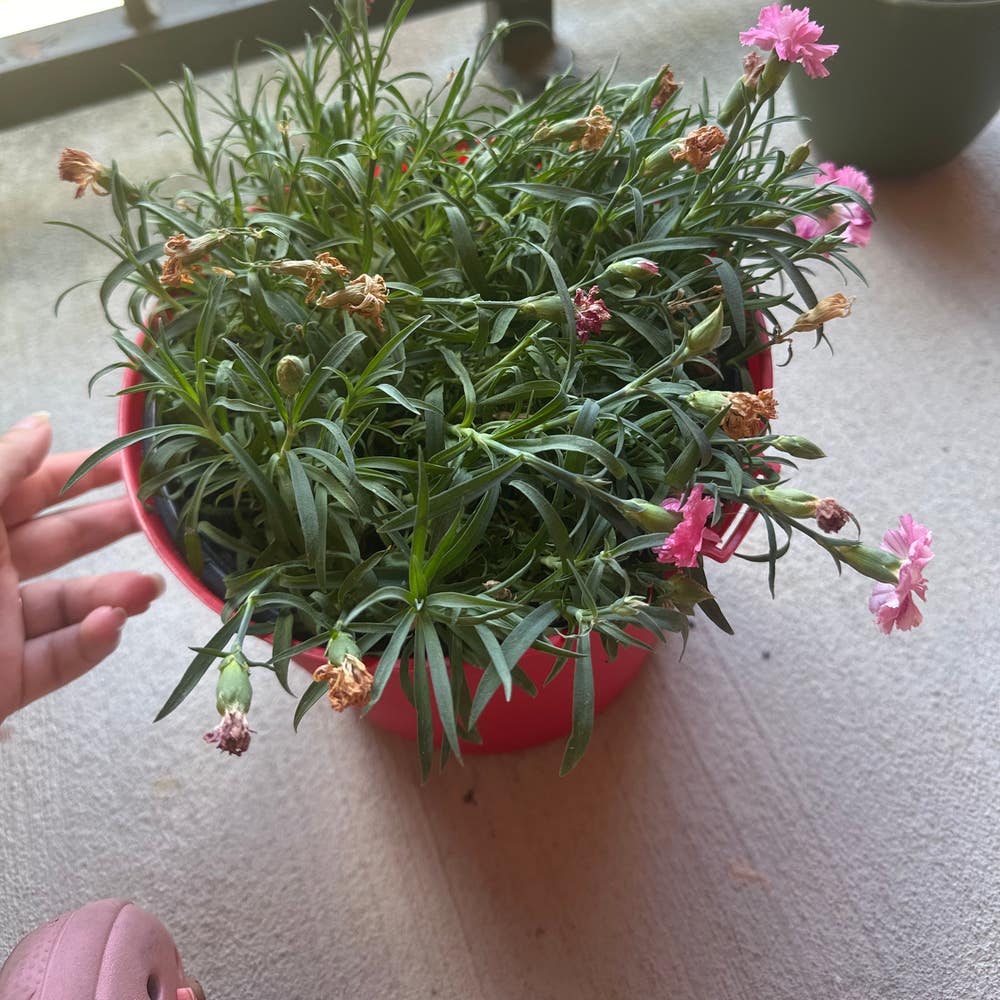
On the flip side, heat stress presents its own set of symptoms. Leaf curling or wilting is common when temperatures soar beyond comfort levels.
You may also see scorched leaf edges, which can be alarming. Premature flower drop is another indicator that your plant is feeling the heat.
⚠️ Causes of Temperature Stress
Temperature stress often arises from prolonged exposure to extremes. If your orange mini carnation endures temperatures below 5°C (41°F) or above 25°C (77°F), it can lead to serious health issues.
Sudden temperature changes, like unexpected cold snaps or heat waves, can also wreak havoc on your plant's well-being. Being aware of these factors can help you take proactive measures to protect your flowers.
Understanding temperature stress is crucial for maintaining the health of your orange mini carnation. Next, let’s explore the effects of temperature fluctuations on your plant's overall vitality.
Effects of Temperature Fluctuations
🌡️ Impact of Sudden Temperature Changes
Sudden temperature shifts can shock your orange mini carnations. This shock often manifests as immediate wilting or drooping, signaling distress.
Additionally, plants in a weakened state become more vulnerable to pests and diseases. A sudden drop or spike in temperature can compromise their defenses, making them easy targets for unwanted invaders.
❄️ Long-term Effects of Temperature Extremes
Extreme temperatures can have lasting repercussions on your plants. Over time, both excessive heat and cold can reduce the overall vigor and health of your orange mini carnations.
Long-lasting damage may occur to root systems and foliage, impacting their ability to thrive. This can lead to decreased flowering potential and quality, leaving your plants less vibrant than they could be.
Understanding these effects is crucial for maintaining the health of your orange mini carnations. By managing temperature fluctuations effectively, you can ensure your plants flourish and bloom beautifully.
Next, let’s explore the geographic considerations that can influence your growing conditions.
Geographic Considerations
Best Climates for Growing 🌍
Orange mini carnations thrive best in temperate regions. These areas typically feature mild winters and moderate summers, making them ideal for growth.
The USDA zones 6-9 are particularly favorable. In these zones, the climate supports the optimal temperature range that these plants need to flourish.
Temperature Adaptations 🌡️
Growing conditions can vary significantly based on local climates. Understanding these variations is crucial for successful cultivation.
In hotter regions, consider providing shade during peak sunlight hours. Conversely, in colder areas, using protective coverings can help mitigate temperature stress.
By adapting your care strategies, you can ensure your orange mini carnations remain healthy and vibrant, regardless of the climate challenges they face.
As we explore the next section, we’ll delve into how temperature fluctuations can impact these beautiful blooms.
Brief Mention of Humidity
Interaction with Temperature Needs 🌡️
Humidity plays a crucial role in managing the temperature needs of your orange mini carnations. Maintaining moderate humidity levels between 40% and 60% helps ensure that these plants thrive in their optimal temperature range.
High humidity, especially when combined with elevated temperatures, can create a perfect storm for fungal diseases. This combination stresses the plants, making them more susceptible to issues that can hinder their growth and flowering potential.
Understanding this interaction is key to fostering a healthy environment for your carnations. By keeping an eye on both temperature and humidity, you can create the ideal conditions for vibrant blooms and robust growth.
As you consider the climate in which you’re growing, remember that managing humidity is just as important as monitoring temperature. This balance will set the stage for your plants to flourish, leading to a stunning display of color and vitality.
Next, let’s explore the geographic considerations that can influence your success in growing these beautiful flowers.
⚠️ Safety First
This content is for general information and may contain errors, omissions, or outdated details. It is not medical, veterinary advice, or an endorsement of therapeutic claims.
Always consult a qualified healthcare professional before using any plant as food, medicine, or supplement.
Never eat any plant (or feed one to pets) without confirming its identity with at least two trusted sources.
If you suspect poisoning, call Poison Control (800) 222-1222, the Pet Poison Helpline (800) 213-6680, or your local emergency service immediately.
Spotted an error? Please report it here.
Keep your orange mini carnations blooming beautifully 🌼 by using Greg to monitor their ideal temperature range of 15°C to 20°C (59°F to 68°F) for vibrant growth!