🌼 8 Factors Affecting Orange Mini Carnation Flowering
Dianthus caryophyllus
By the Greg Editorial Team
Oct 15, 2024•5 min read
This article was created with the help of AI so we can cover more plants for you. May contain errors. See one? Report it here.
- 🌞 Orange mini carnations need 6-8 hours of sunlight for optimal flowering.
- 🌱 Nutritional balance with NPK and micronutrients is crucial for healthy blooms.
- ✂️ Regular pruning and monitoring prevent diseases and enhance flower production.
Light Requirements
Importance of Adequate Sunlight 🌞
To thrive, orange mini carnations need 6-8 hours of full sun daily. This sunlight is crucial for photosynthesis, which fuels their growth and flower production.
Effects of Too Much or Too Little Light ⚖️
Insufficient light can lead to stunted growth and fewer blooms. Conversely, too much light may result in scorched leaves and faded flower colors.
Adjusting Light Exposure 🌿
If your plants are struggling, consider relocating pots to a sunnier spot or using shade cloth to filter excessive sunlight. These adjustments can help restore balance and promote healthy flowering.
Nutritional Needs
Essential Nutrients for Flowering 🌸
To thrive, orange mini carnations require a balanced diet of key nutrients, primarily nitrogen, phosphorus, and potassium (NPK). These elements play crucial roles in promoting healthy growth and vibrant blooms.
Micronutrients like magnesium and calcium are equally important. They support flower health and enhance the overall vigor of the plant.
Impact of Nutrient Deficiencies ⚠️
When your mini carnations lack essential nutrients, they often show signs of distress. Yellowing leaves and poor flower development are common indicators that something is off.
To remedy these deficiencies, consider using balanced fertilizers and soil amendments. These solutions can help restore your plants to their blooming glory.
By ensuring your orange mini carnations receive the right nutrients, you'll set the stage for a flourishing display of flowers. This attention to their nutritional needs will pave the way for the next topic: effective pruning techniques to encourage even more blooms.
Pruning Techniques
Best Practices for Pruning to Encourage Blooms 🌸
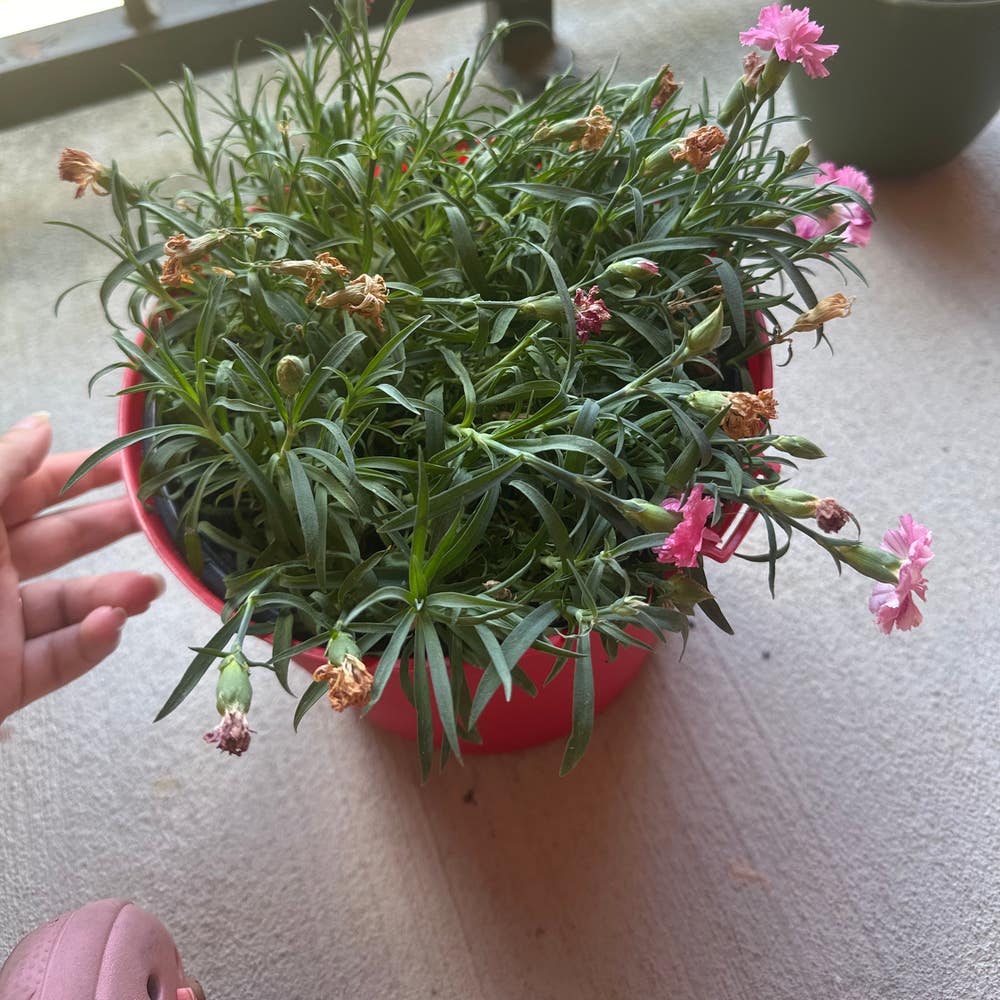
Pruning is essential for promoting healthy blooms in orange mini carnations. Start by deadheading spent flowers; this encourages the plant to focus energy on new growth rather than seed production.
Cutting back leggy growth is another effective technique. It not only improves the plant's appearance but also stimulates bushier growth, leading to more blooms.
Tools for Effective Pruning ✂️
Using clean, sharp pruning shears is crucial. This prevents disease and ensures clean cuts, which help the plant heal faster.
Timing of Pruning for Optimal Flowering ⏰
The timing of your pruning efforts can significantly impact flowering. Early spring is the best time to prune, as it prepares the plant for the growing season ahead.
After the first bloom cycle, a second round of pruning can help maintain shape and encourage further flowering. Adjust your techniques based on the plant's growth stage to maximize results.
Seasonal Adjustments 🌦️
As seasons change, so should your pruning approach. For instance, during warmer months, you might need to prune more frequently to manage growth and promote airflow.
By following these pruning techniques, you can ensure your orange mini carnations thrive and produce vibrant blooms. Next, let’s explore common flowering problems and how to address them effectively.
Common Flowering Problems
🌼 Failure to Bloom
Potential Causes
Insufficient light can severely hinder your orange mini carnations from blooming. Without adequate exposure, the plants struggle to complete their bloom cycle.
Nutritional imbalances also play a crucial role. A lack of essential nutrients can stunt flower development, leaving you with fewer blooms than expected.
Solutions and Adjustments
To combat insufficient light, consider relocating your plants to a sunnier spot or adjusting indoor lighting. This simple change can make a world of difference.
Fertilizing with a bloom-boosting formula rich in phosphorus can also help. This nutrient is vital for encouraging vibrant flowers.
🌸 Premature Flower Drop
Identifying Causes
Environmental stress is a common culprit behind premature flower drop. Temperature fluctuations and inconsistent humidity levels can put your plants in distress.
Pest infestations, particularly from aphids and spider mites, can exacerbate this issue. These pests can sap the vitality from your flowers, leading to early drop.
Remedies to Prevent Drop
Stabilizing environmental conditions is key. Maintaining consistent temperature and humidity can help your plants thrive.
Implementing pest control measures, such as using insecticidal soap or neem oil, can also protect your flowers. These solutions are effective and environmentally friendly.
🌺 Abnormal Flower Development
Causes of Deformities in Flowers
Genetic factors can lead to deformities in flowers. Some cultivars may have inherent issues that affect their appearance.
Environmental stressors, like inconsistent watering and nutrient supply, can also contribute. These factors can disrupt the normal development of your blooms.
Solutions to Encourage Proper Development
Regular monitoring of plant health is essential. Adjusting care practices as needed can help you catch issues early.
Ensuring consistent watering and nutrient supply will promote healthy growth. This attention to detail can lead to beautiful, well-formed flowers.
As you navigate these common flowering problems, remember that attentive care can make all the difference. With the right adjustments, your orange mini carnations can flourish beautifully.
Pest and Disease Management
Common Pests Affecting Flowering 🐞
Identification and Control Methods
Orange mini carnations can fall victim to several pests that hinder their blooming potential. The most common culprits include aphids, spider mites, and thrips.
- Aphids: These tiny insects suck sap from the plant, leading to stunted growth and distorted leaves.
- Spider Mites: Often found on the undersides of leaves, they create fine webs and cause yellowing foliage.
- Thrips: These slender pests can damage flowers, leaving them discolored and deformed.
To combat these pests, consider introducing beneficial insects like ladybugs or lacewings. Organic pesticides, such as insecticidal soap or neem oil, can also effectively control infestations without harming the plant.
Diseases Impacting Blooms 🦠
Prevention and Treatment Options
Diseases can also pose a significant threat to your orange mini carnations. The most prevalent issues include powdery mildew and root rot.
- Powdery Mildew: This fungal disease appears as a white powdery coating on leaves, often thriving in humid conditions.
- Root Rot: Caused by overwatering, this disease leads to wilting and yellowing leaves, ultimately affecting the plant's health.
Preventing these diseases starts with maintaining good air circulation around your plants. Proper watering techniques, such as allowing the soil to dry between waterings, can also help keep root rot at bay.
By staying vigilant against pests and diseases, you can ensure your orange mini carnations thrive and produce beautiful blooms. Next, let’s explore the common flowering problems that may arise and how to address them effectively.
⚠️ Safety First
This content is for general information and may contain errors, omissions, or outdated details. It is not medical, veterinary advice, or an endorsement of therapeutic claims.
Always consult a qualified healthcare professional before using any plant as food, medicine, or supplement.
Never eat any plant (or feed one to pets) without confirming its identity with at least two trusted sources.
If you suspect poisoning, call Poison Control (800) 222-1222, the Pet Poison Helpline (800) 213-6680, or your local emergency service immediately.
Spotted an error? Please report it here.
Keep your orange mini carnations blooming brilliantly 🌼 by using Greg's tailored care tips and reminders to master their sunlight, nutrients, and pruning needs!