🌸 Ultimate Guide to Clove Pink
Dianthus caryophyllus
By the Greg Editorial Team
Jan 24, 2025•12 min read
This article was created with the help of AI so we can cover more plants for you. May contain errors. See one? Report it here.
- 🌞 Clove Pink needs 6-8 hours of sunlight daily for optimal growth.
- 🌱 Well-draining soil with pH 6.0-7.5 is essential for Clove Pink's health.
- 🌼 Prune after flowering for bushier growth and better appearance.
How to Grow
Choosing a Location 🌞
To thrive, Clove Pink requires full sun exposure, ideally basking in 6-8 hours of sunlight daily. Whether you’re planting outdoors or in containers, ensure the chosen spot receives ample light for optimal growth.
Soil Preparation 🌱
Clove Pink flourishes in well-draining, fertile soil with a pH between 6.0 and 7.5. Enhance soil fertility by adding compost or organic matter, which will provide essential nutrients for your plants.
Planting Techniques 🌼
When planting, dig a hole that’s 1-2 inches deep. Space your plants 12-18 inches apart to allow for proper air circulation, promoting healthy growth.
Watering Requirements 🚰
Maintain consistent moisture by watering regularly, but avoid waterlogging the soil. Watch for signs of overwatering, like yellowing leaves, or underwatering, which may cause wilting.
Fertilizing Schedule 🍽️
Feed your Clove Pink with a balanced fertilizer every 4-6 weeks during the growing season. This will support robust growth and vibrant blooms.
Pruning Methods ✂️
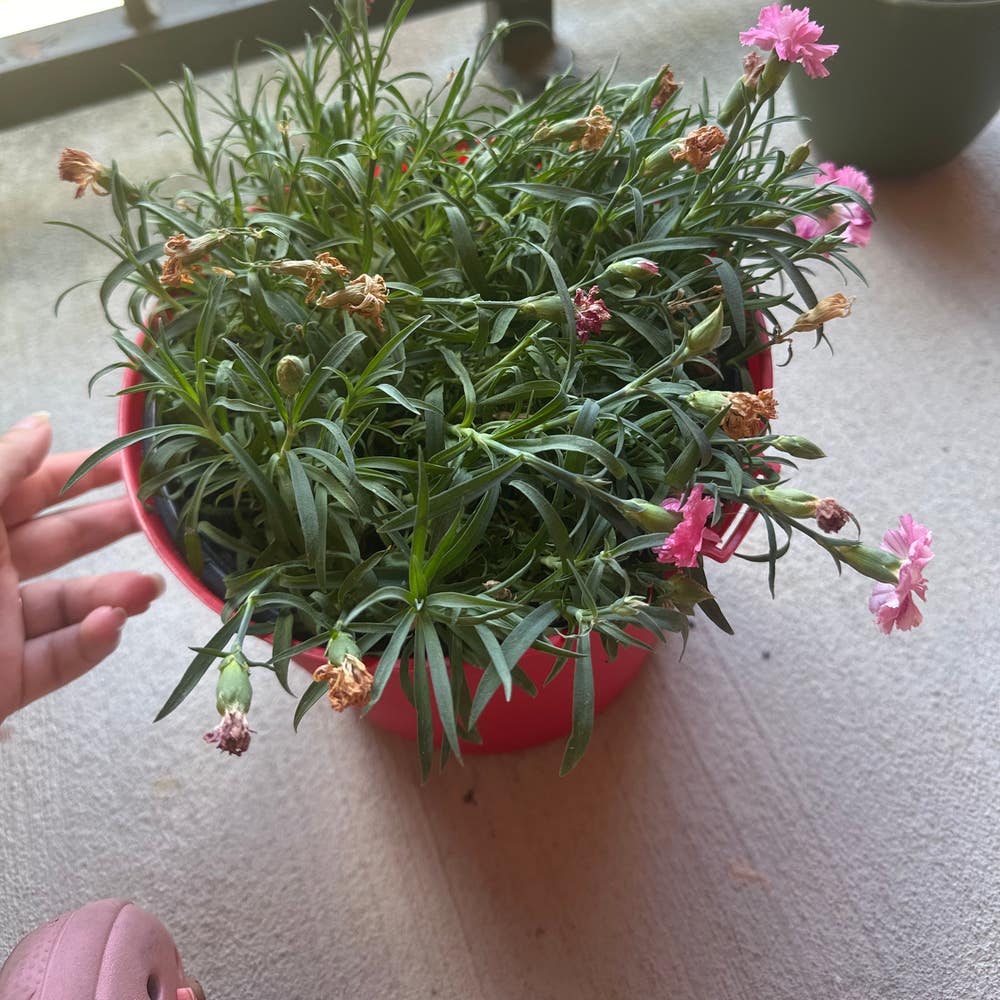
Prune your plants after flowering to encourage bushier growth. Techniques like deadheading spent blooms and trimming back leggy growth will keep your Clove Pink looking its best.
Ongoing Care 🪴
For container gardening, ensure pots have drainage holes and use a quality potting mix. Adjust your watering and fertilization routine based on the plant's growth stages to keep it thriving throughout the seasons.
With these guidelines, you’re well on your way to cultivating beautiful Clove Pink plants. Next, let’s explore how to propagate them effectively!
Propagation
Seed Propagation 🌱
To propagate Clove Pink from seeds, start by sowing them at a depth of 1/4 inch. Expect germination to occur within 7-14 days at a consistent temperature of 70°F (21°C).
Cutting Propagation ✂️
For those who prefer cuttings, select healthy stems that are 4-6 inches long.
Rooting Medium
Use a mix of perlite and peat moss as your rooting medium to ensure optimal growth.
Rooting Time
In a warm, humid environment, your cuttings should develop roots in about 2-4 weeks.
Propagation is a rewarding process that allows you to expand your garden with minimal effort. Whether you choose seeds or cuttings, both methods can lead to thriving Clove Pink plants that enhance your outdoor space.
Next, let’s explore the lifecycle of Clove Pink and what to expect as your plants grow.
Lifecycle
🌱 Lifecycle Stages
Clove Pink is a perennial plant, meaning it lives for multiple years and returns each growing season. This longevity allows gardeners to enjoy its beauty year after year.
🌼 Germination Process
For successful seed germination, Clove Pink requires optimal conditions. Aim for a warm environment with consistent moisture to encourage healthy sprouting.
🌿 Seedling Stage
Once germinated, seedlings take about 4-6 weeks to develop before they are ready for transplanting. During this time, they establish their roots and begin to grow stronger.
🌳 Vegetative Growth
In the vegetative stage, Clove Pink forms rosettes of leaves that create a lush green base. This growth habit is essential for supporting the plant during its flowering phase.
🌸 Flowering and Seed Production
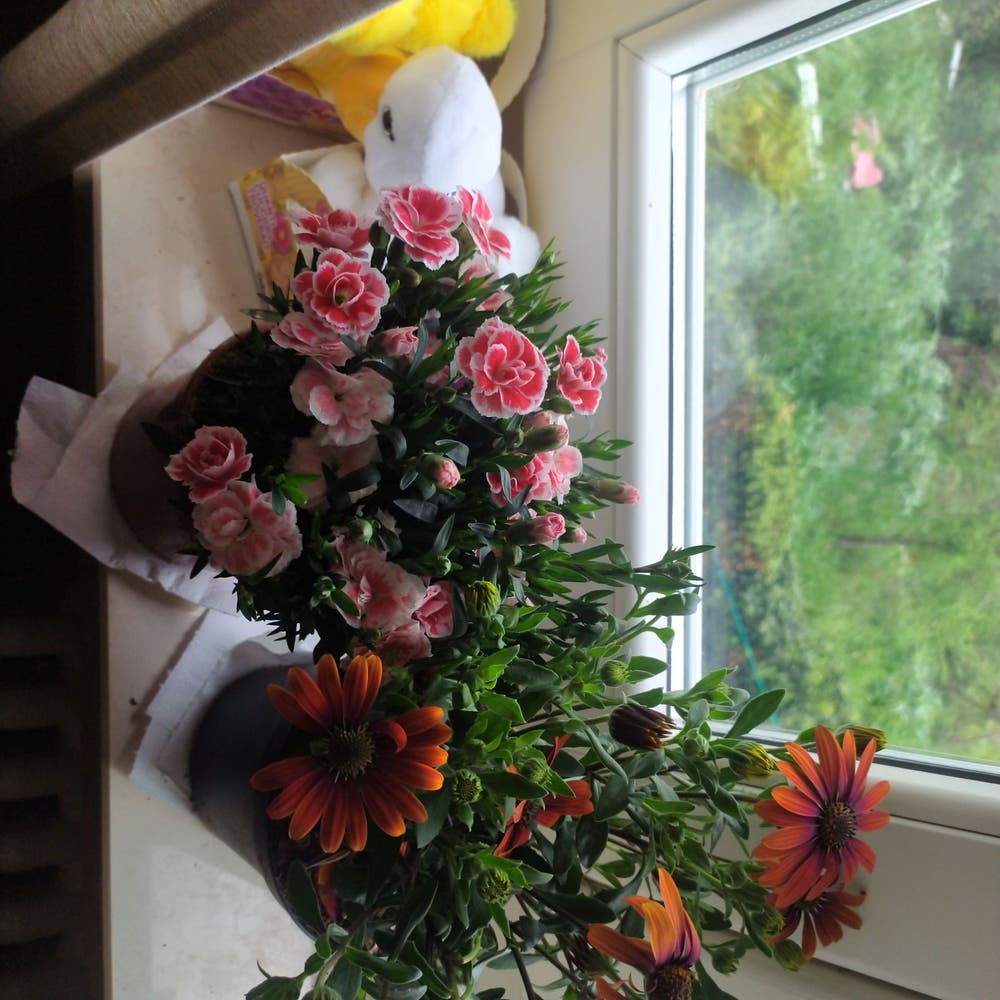
Clove Pink typically blooms in late spring to early summer, showcasing its vibrant flowers. After flowering, seeds develop and mature by late summer, ready for the next planting cycle.
⏳ Growth Timeline and Lifespan
From seed to flowering, Clove Pink takes approximately 2-3 months to reach maturity. With proper care, this resilient plant can live for several years, providing ongoing beauty in your garden.
As you explore the lifecycle of Clove Pink, you’ll appreciate its resilience and beauty. Next, let’s delve into the size of this charming perennial and what you can expect in terms of growth.
Size
Mature Height and Spread 🌱
Clove Pink typically reaches a height of 12 to 18 inches, making it a charming addition to any garden. Its spread ranges from 12 to 15 inches wide, allowing for a lovely, compact display.
Growth Rate and Size Variability 📈
This perennial plant exhibits a moderate growth rate, which can vary based on its growing conditions. Factors such as sunlight, soil quality, and watering practices play a significant role in determining how robust your Clove Pink will become.
Impact of Growing Conditions on Size 🌍
The size of Clove Pink is influenced by several key factors.
- Soil Quality: Well-draining, fertile soil promotes healthy growth.
- Sunlight: Full sun exposure (6-8 hours daily) is essential for optimal size.
- Watering Practices: Consistent moisture without waterlogging helps maintain its vigor.
By paying attention to these elements, you can ensure your Clove Pink thrives and reaches its full potential.
As we explore the next section, let’s dive into the fascinating lifecycle of this resilient plant.
Roots
Root System Characteristics 🌱
Clove Pink features a fibrous root system that helps anchor the plant securely in the soil. This type of root structure is essential for nutrient absorption and overall plant health.
Depth and Spread of Roots 📏
Typically, the roots of Clove Pink extend 12-18 inches deep. They also spread laterally, providing stability and support to the plant as it grows.
Common Root-Related Issues ⚠️
One of the most common issues faced by Clove Pink is root rot, which occurs due to overwatering and poor drainage. This can lead to significant plant stress and even death if not addressed promptly.
Identifying Healthy vs. Unhealthy Roots 🔍
Healthy roots are firm, white, and spread evenly throughout the soil. In contrast, unhealthy roots appear dark, mushy, or may emit a foul smell, indicating decay.
Recognizing Rootbound Plants 🪴
If you notice roots growing out of the drainage holes of your pot, your Clove Pink may be rootbound. To remedy this, consider repotting the plant into a larger container or dividing it to promote healthier growth.
Understanding the root system of Clove Pink is crucial for its care. By ensuring proper watering and pot size, you can help your plant thrive and enjoy its beautiful blooms for years to come.
Benefits
Top 5 Benefits 🌟
Clove Pink offers a variety of advantages that make it a fantastic addition to any garden. Here are the top five benefits:
Fragrant Flowers Attract Pollinators
The sweet scent of Clove Pink flowers draws in bees and butterflies, enhancing your garden's ecosystem.Drought-Tolerant Once Established
After establishing their roots, these plants require minimal watering, making them perfect for low-maintenance gardens.Versatile in Garden Design
Clove Pink can thrive in borders or containers, adding vibrant color and texture wherever you plant them.Edible Flowers for Culinary Uses
The flowers are not just pretty; they can be used in salads and as garnishes, adding a unique flavor to your dishes.Cultural Significance in Traditional Medicine
Historically, Clove Pink has been valued for its medicinal properties, showcasing its importance beyond mere aesthetics.
These benefits highlight why Clove Pink is a beloved choice for gardeners looking to enhance beauty and functionality in their outdoor spaces.
As you consider adding Clove Pink to your garden, think about how these benefits can enrich your gardening experience and contribute to a thriving ecosystem. Next, let’s explore the concept of companion planting and how it can further enhance your garden's diversity.
Companion Plants
🌱 Concept of Companion Planting
Companion planting is a gardening strategy that promotes biodiversity and pest management. By pairing compatible plants, you can create a thriving ecosystem that benefits all species involved.
🌼 Best Companion Plants
When growing Clove Pink, consider these excellent companions:
- Lavender: Its fragrant blooms repel pests while attracting pollinators.
- Salvia: This hardy plant also attracts beneficial insects and provides vibrant color.
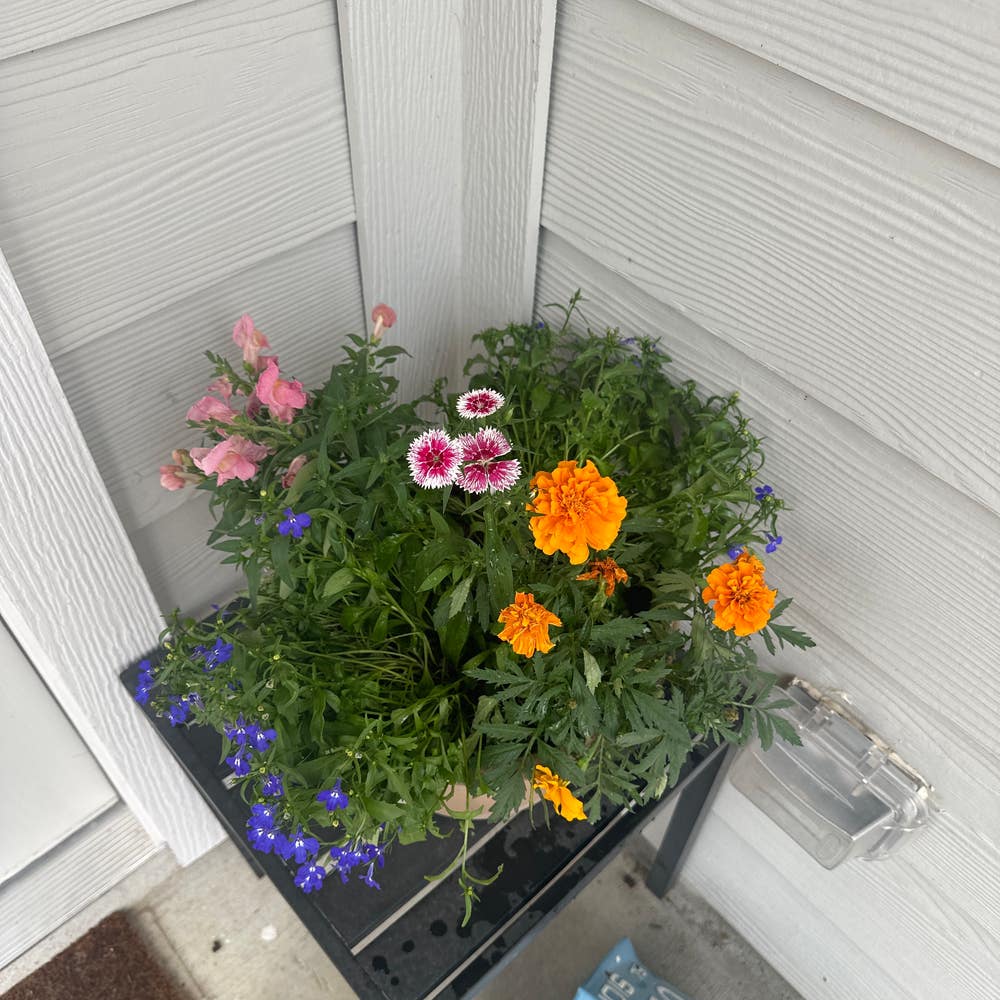
- Marigolds: Known for their pest-repelling properties, marigolds can help protect your Clove Pink from unwanted visitors.
🚫 Plants to Avoid
While some plants thrive alongside Clove Pink, others can hinder its growth. Avoid heavy feeders like tomatoes, which compete for nutrients and can stress your Clove Pink.
By selecting the right companions, you can enhance your garden's health and beauty. This thoughtful approach not only supports your Clove Pink but also creates a more resilient garden overall.
Next, let's explore the potential toxicity of Clove Pink to humans and pets.
Toxicity to Humans
⚠️ Potential Irritants
Clove Pink can cause irritation primarily through its leaves and sap. It's essential to be aware of these parts when handling the plant.
🤕 Symptoms of Irritation
If you come into contact with Clove Pink, you might experience skin rashes, itching, or mild gastrointestinal upset. These symptoms can vary in intensity depending on individual sensitivity.
🧤 Handling Precautions
To minimize the risk of irritation, always wear gloves when pruning or handling Clove Pink. This simple step can help protect your skin from potential irritants.
🏥 When to Seek Medical Care
If irritation symptoms persist or worsen, it's crucial to seek medical care. Don't hesitate to consult a healthcare professional for advice and treatment options.
Understanding the potential toxicity of Clove Pink is vital for safe gardening. With proper precautions, you can enjoy this beautiful plant without worry. Next, let’s explore its edible parts and culinary uses!
Edible
Edible Parts 🌸
Clove Pink offers delightful edible parts, primarily its fragrant flowers and tender young leaves. These components not only enhance your dishes but also add a unique flavor profile.
Identification and Harvesting Techniques ✂️
For the best flavor, harvest Clove Pink flowers in the morning when their essential oils are most concentrated. Gently pinch or cut the flowers to avoid damaging the plant.
Nutritional Value and Health Benefits 🥗
These flowers and leaves are rich in antioxidants and vitamins, making them a nutritious addition to your diet. Incorporating them into meals can boost your overall health while adding a burst of color.
Cultural Uses 🎉
Culinary traditions often celebrate Clove Pink for its versatility. Use the flowers in salads or as garnishes to elevate your dishes, showcasing both beauty and flavor.
With these insights, you can enjoy the many benefits of Clove Pink while enhancing your culinary creations. Next, let's explore the fascinating cultural significance of this plant in traditional medicine.
Toxicity to Dogs
Potential Irritants 🌿
Clove Pink can pose a risk to dogs, particularly its leaves and flowers. These parts contain compounds that may irritate your furry friend's system.
Symptoms of Discomfort 😟
If your dog has ingested any part of the Clove Pink, watch for signs of discomfort. Common symptoms include drooling, pawing at the mouth, and mild vomiting.
When to Seek Veterinary Care 🚑
If your dog shows persistent symptoms or if you're concerned about their health, don't hesitate to seek veterinary care. It's always better to be safe and ensure your pet receives the attention they need.
As a responsible pet owner, staying informed about the plants in your garden is crucial. This knowledge helps you create a safe environment for your beloved companions.
Toxicity to Cats
Potential Irritants 🐱
Clove Pink can be a source of irritation for our feline friends. The leaves and flowers are the parts that pose a risk, so it's essential to keep these plants out of reach.
Symptoms of Discomfort 😿
If a cat comes into contact with Clove Pink, you might notice some discomfort. Common symptoms include drooling, pawing at the mouth, and mild vomiting.
When to Seek Veterinary Care 🚑
If your cat shows any of these symptoms, monitor their condition closely. Seek veterinary care if symptoms persist or worsen, as it's always better to be safe when it comes to your pet's health.
Understanding the potential risks of Clove Pink can help you create a safer environment for your cats while enjoying the beauty of this plant. Next, let’s explore the toxicity of Clove Pink to dogs.
Problems
Identifying Symptoms and Causes 🌱
Recognizing when your Clove Pink is struggling is crucial for timely intervention. Common signs of unhealthy plants include wilting, yellowing leaves, and stunted growth.
Common Problems 🐛
Incorrect Watering: Over or under-watering can lead to stress. Adjust your watering frequency based on the soil's moisture level.
Incorrect Light Conditions: If your plants aren't thriving, they may not be getting enough sunlight. Move them to a sunnier location to boost their health.
Diseases: Fungal infections can plague Clove Pink. Treat any signs of disease with appropriate fungicides to keep your plants safe.
Root Problems: Poor drainage can lead to root rot. Improve drainage and adjust your watering habits to prevent this issue.
Leaf Issues: Yellowing leaves or unusual spots may indicate pests or nutrient deficiencies. Regularly inspect your plants to identify and address these problems early.
By staying vigilant and addressing these common issues, you can ensure your Clove Pink thrives in your garden. Next, let’s explore how to manage pests effectively to protect your plants.
Bugs
🛡️ Pest Resistance
Clove Pink exhibits moderate pest resistance, making it a resilient choice for gardeners. However, vigilance is key to maintaining its health.
🐜 Common Pests
Several pests can pose a threat to Clove Pink:
- Spider Mites: Look for fine webbing and stippled leaves as indicators of their presence.
- Scale Insects: These pests leave a sticky residue and can cause yellowing leaves.
- Aphids: Watch for curling leaves and honeydew secretion, which signals an aphid infestation.
🧪 Treatment Options
When it comes to managing pests, organic methods are often the best route. Consider using:
- Neem Oil: A natural pesticide that disrupts the life cycle of pests.
- Insecticidal Soap: Effective against soft-bodied insects like aphids and spider mites.
- Beneficial Insects: Introduce ladybugs or lacewings to help control pest populations naturally.
By staying proactive and employing these strategies, you can keep your Clove Pink thriving and beautiful. Next, let’s explore what animals might be interested in munching on your plants.
What Eats
Common Animals 🦌
Clove Pink plants can attract a variety of hungry critters. Deer are known to browse on their flowers and leaves, while rabbits often gnaw on the stems and foliage.
Signs of Animal Presence 🐾
It's essential to keep an eye out for signs that animals are visiting your garden. Look for tracks, droppings, and chewed plant parts, which can indicate that your Clove Pinks are being targeted.
Damage Caused by Animals 🥴
The damage caused by these animals can be quite noticeable. You might find missing leaves and broken stems, which can hinder the plant's growth and overall health.
Deterrent Methods 🚫
To protect your Clove Pinks, consider implementing some deterrent methods. You can use both chemical and organic control options, such as fencing, repellents, and companion planting to keep these hungry visitors at bay.
By being proactive, you can enjoy the beauty of your Clove Pink plants without the worry of them becoming a snack for local wildlife. Next, let’s explore the common bugs that may also pose a threat to your garden.
⚠️ Safety First
This content is for general information and may contain errors, omissions, or outdated details. It is not medical, veterinary advice, or an endorsement of therapeutic claims.
Always consult a qualified healthcare professional before using any plant as food, medicine, or supplement.
Never eat any plant (or feed one to pets) without confirming its identity with at least two trusted sources.
If you suspect poisoning, call Poison Control (800) 222-1222, the Pet Poison Helpline (800) 213-6680, or your local emergency service immediately.
Spotted an error? Please report it here.
Unlock the secret to thriving Clove Pink 🌸 with Greg's tailored care reminders and expert tips, ensuring your garden flourishes with vibrant blooms and healthy growth!