🌼 Top 9 Companion Ideas for a Thriving Orange Mini Carnation
Dianthus caryophyllus
By the Greg Editorial Team
Oct 14, 2024•5 min read
This article was created with the help of AI so we can cover more plants for you. May contain errors. See one? Report it here.
- 🌼 Marigolds and basil deter pests while enhancing your Orange Mini Carnation garden.
- 🌸 Chives and petunias add beauty and protect against harmful insects effectively.
- 🌿 Companion planting boosts aesthetics and creates a thriving garden ecosystem.
Best Companion Plants for Orange Mini Carnation
🌼 Marigold
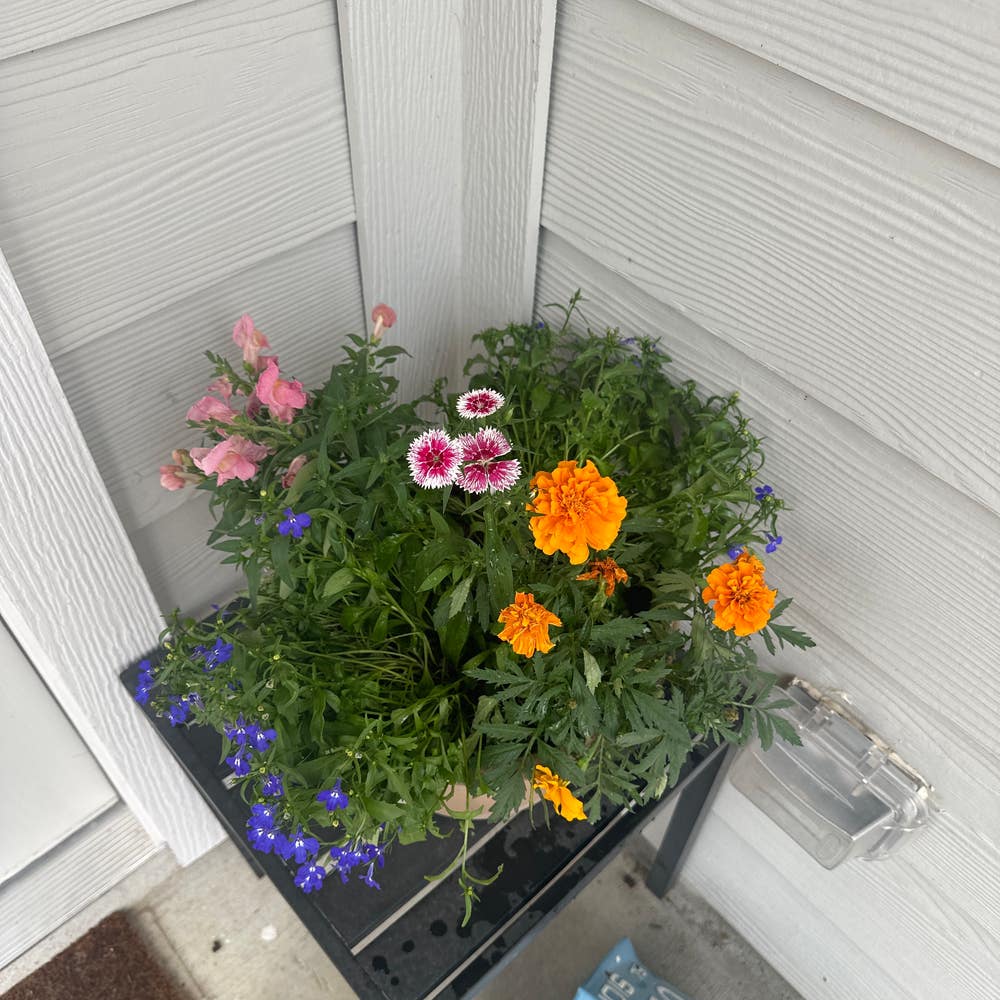
Marigolds are a gardener's best friend, boasting bright yellow and orange flowers that perfectly complement the vibrant hues of Orange Mini Carnations. These cheerful blooms deter nematodes and aphids while attracting essential pollinators, making them a must-have in your garden.
🌿 Basil
Basil is not just a culinary delight; it's also a fantastic companion plant. This aromatic herb repels pesky thrips and flies, while its presence enhances the flavor of nearby plants, creating a win-win situation for your garden.
🌱 Chives
Chives bring a touch of elegance with their grass-like structure and purple flowers. They deter aphids and other pests, adding both visual appeal and pest protection to your garden space.
🌸 Petunia
With their vibrant, trumpet-shaped flowers, petunias are a feast for the eyes. They attract pollinators and provide a colorful backdrop, enhancing the overall aesthetic of your garden.
🌺 Nasturtium
Nasturtiums are a delightful addition, featuring brightly colored flowers and edible leaves. They act as a trap crop for aphids, helping to protect your Orange Mini Carnations while adding diversity to your garden.
🌼 Sweet Alyssum
Sweet Alyssum is a low-growing plant adorned with small white or purple flowers. It attracts beneficial insects and improves soil health, making it an excellent companion for your carnations.
💜 Lavender
Lavender not only offers fragrant purple flowers but also gray-green foliage that adds depth to your garden. It deters pests while providing beauty and a soothing aroma, creating a serene garden atmosphere.
🌿 Sage
Sage is a woody herb with gray-green leaves and purple flowers that repels cabbage moths and other pests. Its culinary uses make it a practical choice for any garden enthusiast.
🌼 Zinnia
Zinnias are bright, daisy-like flowers that come in various colors, adding a vibrant contrast to your Orange Mini Carnation. They attract butterflies, bringing life and movement to your garden.
These companion plants not only enhance the beauty of your Orange Mini Carnation but also contribute to a healthier garden ecosystem. Next, let’s explore which plants to avoid to ensure your carnations thrive.
Plants to Avoid Near Orange Mini Carnation
🌱 Fennel
Fennel can be a tricky neighbor for your Orange Mini Carnation. Its growth can inhibit the development of nearby plants, including your cherished carnations.
🌿 Mint
Mint may seem like a delightful addition, but its aggressive growth can overshadow other plants. This competition for nutrients can stunt the growth of your carnations.
🌼 Rue
Rue might look appealing, but it has its downsides. It can produce allelopathic effects that hinder the growth of carnations, making it best to keep this plant at a distance.
Understanding which plants to avoid is crucial for the health of your Orange Mini Carnation. By steering clear of these aggressive or inhibiting plants, you can create a thriving garden space. Next, let’s explore how companion planting can help manage pests effectively.
Pest Management through Companion Planting
Companion planting is a powerful strategy for managing pests in your garden, especially for your Orange Mini Carnation. By selecting the right plants, you can create a natural barrier against harmful insects while promoting a healthy ecosystem.
🌿 Natural Repellents
Certain companion plants act as natural repellents, protecting your Orange Mini Carnation from pests. For instance, marigolds are renowned for their ability to deter nematodes, which can wreak havoc on your plants.
🐞 Beneficial Insects
Encouraging beneficial insects is another key aspect of pest management. These helpful critters, such as ladybugs and lacewings, prey on harmful pests. By planting flowers like sweet alyssum, you can attract these allies to your garden.
🌼 Specific Pest-Repellent Properties
Let’s dive deeper into the specific pest-repellent properties of some companion plants.
Marigolds
Marigolds are not just pretty; they’re also effective at repelling nematodes. Their vibrant blooms can enhance your garden's aesthetics while providing a protective shield for your Orange Mini Carnation.
Basil
Basil is another powerhouse in pest management. It effectively deters flies and thrips, making it an excellent companion for your carnations. Plus, its aromatic leaves can enhance the flavor of nearby plants, offering dual benefits.
By strategically incorporating these companion plants, you can create a thriving garden that not only looks good but also stays healthy and pest-free.
Next, let’s explore how to enhance the visual appeal of your garden with thoughtful plant combinations.
Visual Appeal and Aesthetic Considerations
🎨 Color Combinations with Orange Mini Carnation
Harmonizing vibrant orange with complementary colors can elevate your garden's aesthetic. Consider pairing Orange Mini Carnations with rich purples and sunny yellows for a striking visual impact.
📏 Height and Texture Considerations for Companion Plants
Layering is key to creating depth in your garden. Place taller plants like lavender behind shorter ones such as sweet alyssum to enhance visual interest.
🌿 Mixing Textures for Engagement
Combining different textures can make your garden more dynamic. For instance, the soft foliage of basil contrasts beautifully with the sturdy leaves of marigolds, creating a visually engaging space.
🎉 Creating a Cohesive Look
Aim for a balanced arrangement that draws the eye. Grouping plants with similar heights and colors can create a harmonious feel, while varied textures add excitement.
By thoughtfully considering color, height, and texture, you can craft a garden that not only thrives but also delights the senses. This attention to detail will set the stage for the next topic: effective pest management through companion planting.
⚠️ Safety First
This content is for general information and may contain errors, omissions, or outdated details. It is not medical, veterinary advice, or an endorsement of therapeutic claims.
Always consult a qualified healthcare professional before using any plant as food, medicine, or supplement.
Never eat any plant (or feed one to pets) without confirming its identity with at least two trusted sources.
If you suspect poisoning, call Poison Control (800) 222-1222, the Pet Poison Helpline (800) 213-6680, or your local emergency service immediately.
Spotted an error? Please report it here.
Enhance your garden's beauty and health by pairing Orange Mini Carnations with companions like marigolds and basil 🌿, and let Greg guide you with tailored care tips for a flourishing garden!