What is a Wild Carnation? Complete Guide 🌸
Dianthus caryophyllus
By the Greg Editorial Team
Jan 24, 2025•12 min read
This article was created with the help of AI so we can cover more plants for you. May contain errors. See one? Report it here.
- 🌞 Wild carnations need 6-8 hours of sunlight daily for optimal growth.
- 🌱 Plant in well-drained soil with a pH of 6.0 to 7.0 for best results.
- 🐞 Check for pests regularly and use mulch for winter protection.
How to Grow
Choosing a Location 🌞
Wild carnations thrive in full sun, requiring 6 to 8 hours of sunlight daily. When selecting a spot, ensure there's enough space between plants for air circulation, which helps prevent diseases.
Soil Preparation 🌱
For optimal growth, plant wild carnations in well-drained sandy or loamy soil. Aim for a soil pH between 6.0 and 7.0, which is slightly acidic to neutral.
Planting Techniques 🌼
When planting, dig holes 1 to 2 inches deep. Space your wild carnations 12 to 18 inches apart to allow for healthy growth and airflow.
Watering Requirements 💧
Water your wild carnations when the top inch of soil feels dry. Always water at the base of the plant to keep the foliage dry and reduce the risk of fungal diseases.
Fertilizing 🌿
Use a balanced fertilizer with an NPK ratio of 10-10-10. Fertilize every 4 to 6 weeks during the growing season to support robust growth.
Pruning ✂️
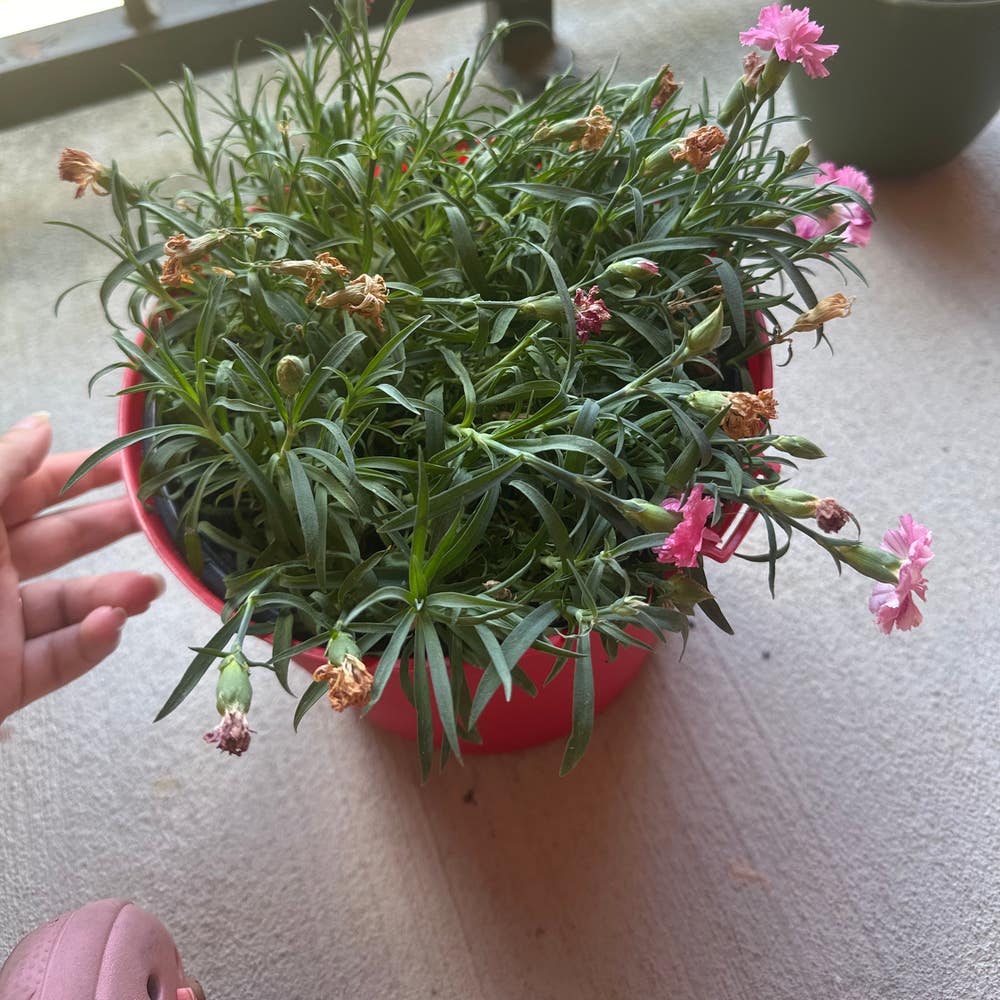
Prune your wild carnations after flowering to encourage new growth. Deadhead spent flowers and trim back any leggy growth to maintain a tidy appearance.
Ongoing Care 🛡️
Regularly check your plants for pests and diseases to catch any issues early. In winter, apply mulch around the base for added protection against harsh conditions.
Outdoor vs. Container Growing 🏡
For outdoor planting, ensure good drainage and ample sunlight exposure. If growing in containers, choose pots with drainage holes and a lightweight potting mix to promote healthy root development.
With these tips, your wild carnations will flourish, adding vibrant color and charm to your garden! Next, let’s explore how to propagate these beautiful flowers.
Propagation
🌱 Seed Propagation
To start your wild carnation journey, sow seeds indoors about 6-8 weeks before the last frost. This early start gives your plants a head start, allowing you to transplant them outdoors once the danger of frost has passed.
✂️ Division of Established Plants
If you have established wild carnations, consider dividing them to propagate new plants. Carefully dig up and separate clumps in early spring or fall, ensuring each division has healthy roots.
🌿 Cuttings
Taking cuttings is another effective propagation method. Snip 4-6 inch cuttings from healthy stems, ideally in early summer, and with proper care, you’ll enjoy a high success rate in rooting these cuttings.
This propagation section sets the stage for understanding how to expand your wild carnation collection. Next, let’s explore the lifecycle of these beautiful plants.
Lifecycle
Lifecycle Stages 🌱
The lifecycle of a wild carnation is a fascinating journey that begins with seed germination. This stage transitions into the seedling phase, followed by vegetative growth, flowering, and ultimately, seed production.
Lifespan and Growth Rate ⏳
Under optimal conditions, wild carnations can thrive for several years. They exhibit a moderate growth rate, typically reaching maturity within 2 to 3 years.
Summary of Stages 📊
- Seed Germination: The process starts when seeds absorb moisture and sprout.
- Seedling Stage: Young plants develop their first true leaves and establish roots.
- Vegetative Growth: The plant focuses on growing leaves and stems, preparing for flowering.
- Flowering: Vibrant blooms appear, attracting pollinators and enhancing garden aesthetics.
- Seed Production: After flowering, the plant produces seeds, continuing the cycle.
Understanding these stages helps gardeners appreciate the growth process and care for their wild carnations effectively. This knowledge sets the stage for the next section on size, where we’ll explore how these beautiful plants develop physically.
Size
Mature Height and Spread 🌱
Wild carnations typically reach a height of 12 to 18 inches and can spread between 12 to 24 inches wide. This compact size makes them an excellent choice for borders or mixed flower beds.
Growth Rate ⏳
These plants exhibit a moderate growth rate, usually achieving their full size within 2 to 3 years. With proper care, you can expect them to flourish and fill out beautifully over time.
Size Variability 📏
The size of wild carnations can vary based on several environmental factors. Key influences include soil quality, sunlight exposure, and water availability, all of which play a crucial role in their overall growth and health.
As you plan your garden, consider these size characteristics to ensure your wild carnations thrive alongside other plants. Next, let’s explore the fascinating lifecycle of these resilient flowers.
Roots
Root System Characteristics 🌱
Wild carnations boast a fibrous root system, which is essential for their stability and nutrient absorption. These roots are typically shallow, spreading horizontally to maximize their reach in search of moisture and nutrients.
Common Root-Related Issues ⚠️
One common problem is root rot, often caused by overwatering and poor drainage. Additionally, plants can become rootbound when their roots fill the container, restricting growth and overall health.
Solutions for Root Problems 💡
To remedy root rot, improve drainage by ensuring pots have holes and using well-draining soil. Adjusting your watering practices can also help; always let the top inch of soil dry out before watering again.
For rootbound plants, consider repotting them into larger containers to give the roots more space to grow. Prevention is key: use well-draining soil and monitor moisture levels to keep your wild carnations thriving.
With proper care, your wild carnations will flourish, showcasing their vibrant blooms and enhancing your garden's beauty. Next, let’s explore the benefits these lovely flowers bring to your garden and beyond.
Benefits
Top 5 Benefits 🌼
Wild carnations are not just pretty faces in the garden; they offer a plethora of benefits that make them a must-have for any green space.
Aesthetic Appeal
With their bright, fragrant flowers, wild carnations can transform any garden into a vibrant oasis. Their colorful blooms add a touch of elegance and charm, making them a favorite among gardeners.
Attracts Pollinators
These flowers are a magnet for bees and butterflies, playing a crucial role in supporting local ecosystems. By planting wild carnations, you’re not just beautifying your space; you’re also helping pollinators thrive.
Erosion Control
Wild carnations help stabilize soil in garden beds, preventing erosion. Their fibrous root system holds the soil together, making them an excellent choice for sloped areas or gardens prone to washouts.
Medicinal Uses
Historically, wild carnations have been used in traditional remedies. Their flowers and leaves have been employed for various health benefits, showcasing their versatility beyond mere decoration.
Cultural Significance
In many cultures, wild carnations symbolize love and admiration. Incorporating them into your garden can add a layer of meaning, making your space not just beautiful but also rich in cultural heritage.
These benefits make wild carnations a valuable addition to any garden, enhancing both its beauty and ecological health. As you consider your gardening options, think about how these flowers can contribute to a vibrant and sustainable environment.
Next, let’s explore the best companion plants to pair with your wild carnations for an even more flourishing garden.
Companion Plants
Best Companion Plants 🌼
Companion planting can enhance the growth and health of wild carnations. Consider pairing them with lavender, which acts as a natural pest repellent.
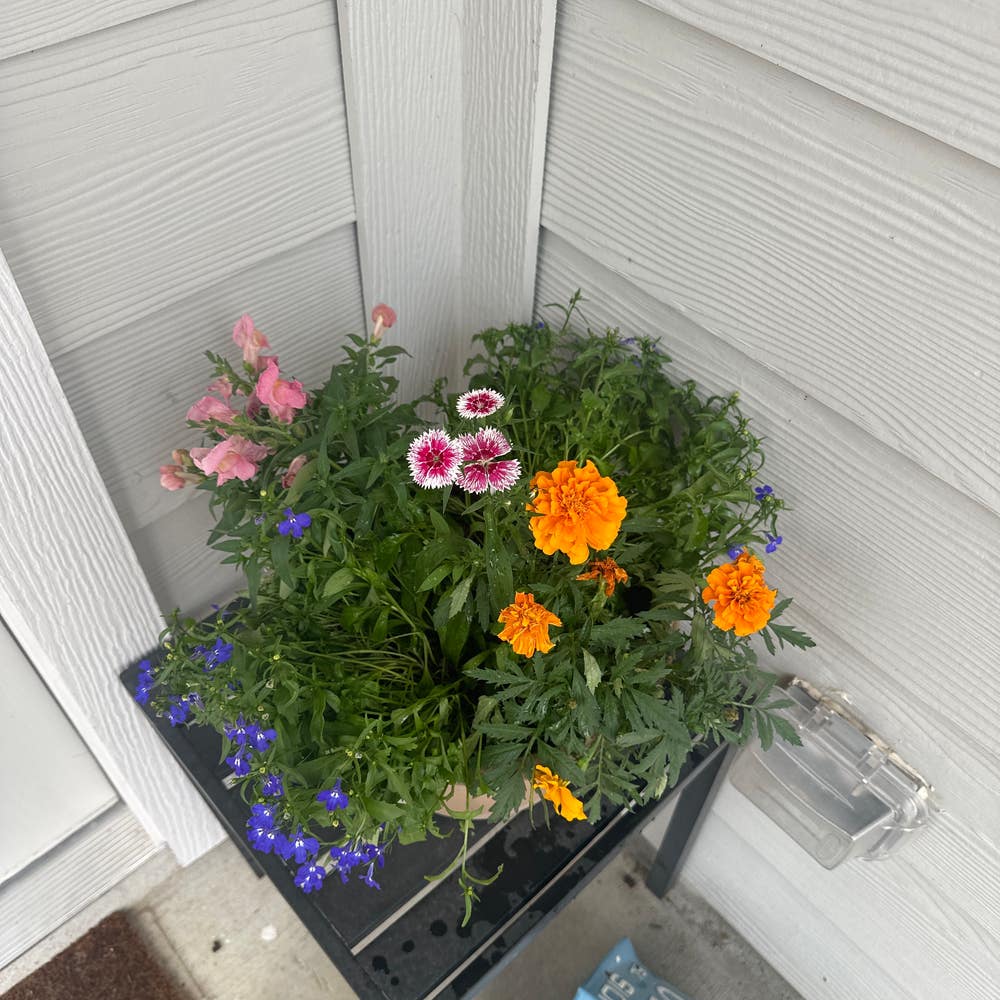
Salvia is another excellent choice, as it shares similar care needs and can thrive alongside wild carnations. Additionally, marigolds are great companions; their vibrant blooms deter pests that might otherwise harm your flowers.
Plants to Avoid 🚫
While some plants complement wild carnations beautifully, others can hinder their growth. It's best to steer clear of overly aggressive plants like mint, which can outcompete wild carnations for nutrients and space.
By choosing the right companions, you can create a thriving garden that not only looks stunning but also supports the health of your wild carnations.
Next, let’s explore the potential toxicity of wild carnations to humans and pets.
Toxicity to Humans
Potential Irritation 🌿
Wild carnations can cause skin irritation, particularly from their leaves and sap. Symptoms may include skin rashes, itching, and mild gastrointestinal upset if ingested.
How Irritation Occurs ⚠️
Irritation typically occurs through direct skin contact with the sap or by ingesting parts of the plant. It's essential to be cautious when handling these flowers.
When to Seek Medical Care 🚑
If symptoms persist or worsen, it's advisable to seek medical attention. Better safe than sorry when it comes to your health!
Tips for Safe Handling 🧤
To minimize the risk of irritation, always wear gloves when handling wild carnations. Afterward, wash your hands thoroughly to remove any residual sap.
By taking these precautions, you can enjoy the beauty of wild carnations without the worry of irritation. Now that you know how to handle them safely, let’s explore their edible parts next!
Edible
Edible Parts 🌼
Wild carnations offer delightful culinary possibilities. The young leaves and flowers are safe to eat, while the stems should be avoided due to their potential bitterness.
Identification and Harvesting Techniques 🌱
For the best flavor and quality, harvest wild carnations in the morning after the dew has dried. This timing ensures the plants are fresh and vibrant, making them perfect for your dishes.
Nutritional Value and Health Benefits 🥗
These flowers are not just pretty; they pack a nutritional punch! Rich in vitamins and antioxidants, wild carnations can contribute to a healthy diet while adding a pop of color to your meals.
With their edible parts and health benefits, wild carnations can be a delightful addition to your garden and your plate. As you explore their culinary uses, remember to enjoy the process and the beauty they bring to your life.
Toxicity to Dogs
Potential Irritation 🌼
Wild carnations can pose mild risks to dogs. The leaves and flowers may cause irritation, leading to symptoms like drooling, pawing at the mouth, and mild vomiting.
How Irritation Occurs 🐾
Irritation typically happens when a dog ingests plant material or comes into contact with the sap. It's essential to monitor your pet's behavior around these flowers.
When to Seek Veterinary Care 🚑
If your dog shows persistent or worsening symptoms, it's crucial to seek veterinary care. Quick action can help ensure your furry friend stays safe and healthy.
Understanding the potential toxicity of wild carnations can help you create a safer environment for your pets. Always keep an eye on their interactions with plants, and don't hesitate to consult a vet if you're concerned.
Toxicity to Cats
Potential Irritation 🌿
Wild carnations can pose mild risks to cats. The leaves and flowers may cause irritation, leading to symptoms like drooling, pawing at the mouth, and mild vomiting.
How Irritation Occurs 🐾
Irritation typically happens when a cat ingests plant material or comes into contact with the sap. It's essential to monitor your feline friend if they show interest in these flowers.
When to Seek Veterinary Care 🚑
If your cat exhibits persistent symptoms or if their condition worsens, it's crucial to seek veterinary care. Quick action can help ensure your pet's well-being and peace of mind for you.
Understanding the potential risks associated with wild carnations can help you create a safer environment for your furry companions. Next, let’s explore the toxicity of wild carnations to dogs.
Problems
🌱 Common Problems
Growing wild carnations can be rewarding, but they come with their share of challenges. Here are the top five issues you might encounter:
- Overwatering: This is a common mistake that can lead to root rot.
- Incorrect Light Conditions: Insufficient sunlight can stunt growth and flowering.
- Diseases: Fungal infections can affect plant health if not addressed promptly.
- Root Problems: Poor drainage can cause roots to suffocate.
- Leaf Issues: Pests or diseases can lead to discolored or damaged foliage.
🔍 Identification of Unhealthy Plants
Recognizing when your wild carnations are struggling is crucial for their recovery. Look for these symptoms:
- Yellowing Leaves: This often indicates nutrient deficiencies or overwatering.
- Wilting: A sign that your plants may be thirsty or suffering from root issues.
- Stunted Growth: If your plants aren’t growing as expected, something is off.
🛠️ Causes and Solutions
Understanding the causes behind these problems can help you take action. Here’s a quick guide:
- Adjust Watering: Ensure you’re watering only when the top inch of soil is dry.
- Improve Light Conditions: Move your plants to a sunnier spot if they’re not getting enough light.
- Treat Diseases: Use fungicides or remove affected leaves to combat fungal infections.
- Monitor for Pests: Regularly check for pests and treat them with insecticidal soap or neem oil.
By staying vigilant and proactive, you can keep your wild carnations thriving and beautiful. Next, let’s explore the various bugs that might pose a threat to your plants.
Bugs
Potential Pest Issues 🐜
Wild carnations can attract a variety of pests that may threaten their health. The most common culprits include spider mites, aphids, whiteflies, and mealybugs.
Identification of Pests 🔍
Recognizing these pests early can save your plants from serious damage. Look for signs like webbing from spider mites, sticky residue left by aphids, or the presence of visible insects on the foliage.
Treatment Options 💊
If you spot any of these pests, don’t panic! Effective treatment methods include using insecticidal soap, applying neem oil, or introducing beneficial insects that prey on these pests.
By staying vigilant and addressing pest issues promptly, you can keep your wild carnations thriving and beautiful. Now that you’re equipped to handle pests, let’s explore what animals might be munching on your plants next.
What Eats
🦌 Common Animals
Wild carnations can attract a variety of hungry critters. The most common culprits include deer, rabbits, squirrels, and rodents.
🔍 Signs of Animal Presence
To identify if these animals are feasting on your wild carnations, look for specific signs. Tracks, droppings, and chewed foliage are clear indicators of their presence.
⚠️ Damage Caused by Animals
These animals can cause significant harm to your plants. They may browse on flowers and leaves, or even uproot the plants entirely, leading to a less vibrant garden.
🚫 Deterrent Methods
To protect your wild carnations, consider various deterrent methods.
- Chemical options: Commercial repellents can be effective in keeping animals at bay.
- Organic options: Planting deterrent species and using physical barriers like fences can also help safeguard your plants.
By implementing these strategies, you can enjoy the beauty of your wild carnations without the worry of them becoming a snack for local wildlife.
⚠️ Safety First
This content is for general information and may contain errors, omissions, or outdated details. It is not medical, veterinary advice, or an endorsement of therapeutic claims.
Always consult a qualified healthcare professional before using any plant as food, medicine, or supplement.
Never eat any plant (or feed one to pets) without confirming its identity with at least two trusted sources.
If you suspect poisoning, call Poison Control (800) 222-1222, the Pet Poison Helpline (800) 213-6680, or your local emergency service immediately.
Spotted an error? Please report it here.
Grow vibrant wild carnations 🌼 with Greg's tailored watering alerts and expert care tips to help your garden thrive!