5 Tips for Blooming Your Orange Mini Carnation 🌼
Dianthus caryophyllus
By the Greg Editorial Team
Oct 14, 2024•5 min read
This article was created with the help of AI so we can cover more plants for you. May contain errors. See one? Report it here.
- 🌼 Orange Mini Carnations bloom in three stages, enhancing garden beauty and attracting pollinators.
- ☀️ 6-8 hours of sunlight daily is vital for vibrant blooms and healthy growth.
- 🌱 Regular deadheading and fertilization extend blooming season and promote new flower production.
Flowering Status of Orange Mini Carnation
Clarification on Flowering Status 🌼
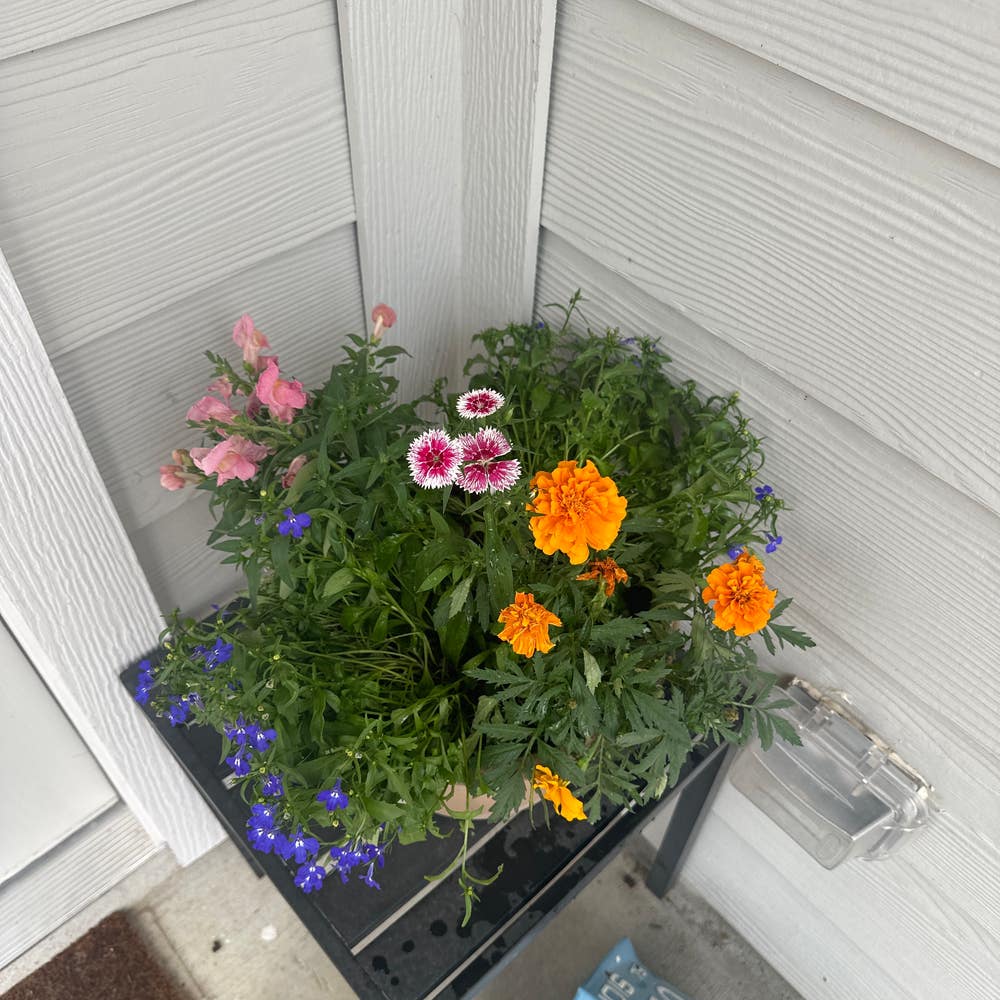
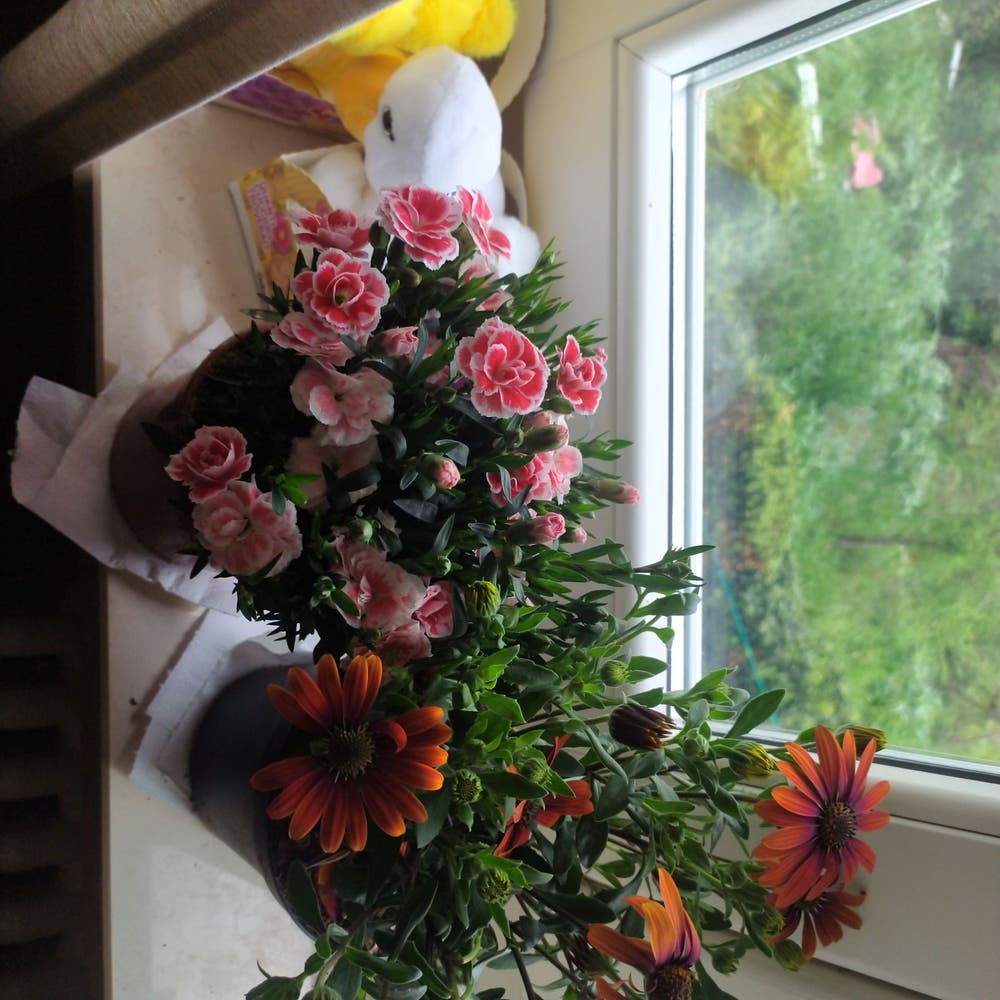
The Orange Mini Carnation is a showstopper, boasting vibrant orange blooms with a delightful ruffled structure. These flowers not only enhance the ornamental value of your garden but also play a crucial role in attracting pollinators.
Flowering is essential for the overall health of the plant. It encourages new growth and ensures a lively, colorful display that can brighten any space.
Flower Characteristics
Description of Colors and Structure 🌈
The Orange Mini Carnation boasts vibrant, bright orange flowers with delightful ruffled petals. These clusters of small flowers form a striking flower spike, typically measuring 1-2 inches in diameter.
Pollination Methods 🐝
This charming flower is often self-pollinating, which means it can produce seeds without needing another plant. However, cross-pollination offers significant benefits, including improved seed production and enhanced genetic diversity, making the plant even more resilient.
With these captivating characteristics, the Orange Mini Carnation not only brightens up your garden but also plays a vital role in the ecosystem. Understanding its flowering traits can help you appreciate its beauty and encourage its growth.
Next, let’s explore the blooming process and how to nurture these lovely flowers into full bloom.
Blooming Process
🌱 Outline of Blooming Stages
The blooming process of the Orange Mini Carnation unfolds in three distinct stages.
Bud formation: This initial stage is where the buds begin to develop, setting the stage for the vibrant display to come.
Blooming: Next, the buds transition into open flowers, showcasing their stunning colors.
Full bloom: Finally, the flowers fully open, revealing their ruffled petals and vibrant hues, creating a captivating sight.
⏳ Typical Bloom Time and Duration
The Orange Mini Carnation primarily blooms in spring and summer, making it a seasonal delight.
From bud formation to full bloom, expect a timeline of approximately 4-6 weeks.
Once in full bloom, these flowers typically last 2-3 weeks before wilting, offering a generous display of beauty during their peak.
Understanding this blooming process can help you time your care and enjoy the full splendor of these charming flowers.
As we explore how to encourage more blooms, keep these stages in mind for optimal plant care.
Encouraging Blooms
Tips for Encouraging Blooming 🌼
To get your Orange Mini Carnation to bloom beautifully, start by ensuring it receives adequate sunlight. Aim for 6-8 hours of direct sunlight daily to promote vibrant growth.
Next, maintain consistent watering. Keep the soil moist but avoid waterlogging, as this can lead to root rot.
Lastly, don’t forget to fertilize regularly. Using a balanced fertilizer every 4-6 weeks during the growing season will provide the nutrients your plant needs to thrive.
Factors Influencing Flowering 🌡️
Temperature plays a crucial role in blooming. Orange Mini Carnations prefer moderate temperatures ranging from 15°C to 25°C (59°F to 77°F).
Additionally, the quality of the soil matters. Well-draining, nutrient-rich soil is essential for promoting healthy blooms.
By following these tips and understanding the influencing factors, you can create an ideal environment for your Orange Mini Carnation to flourish.
As we move forward, let’s explore what happens after your flowers have bloomed and how to care for them post-flowering.
Post-Flowering Care
🌼 What Happens After Flowering
After your Orange Mini Carnation has finished blooming, don’t fret! The plant can continue to thrive and produce new growth, ensuring your garden remains vibrant.
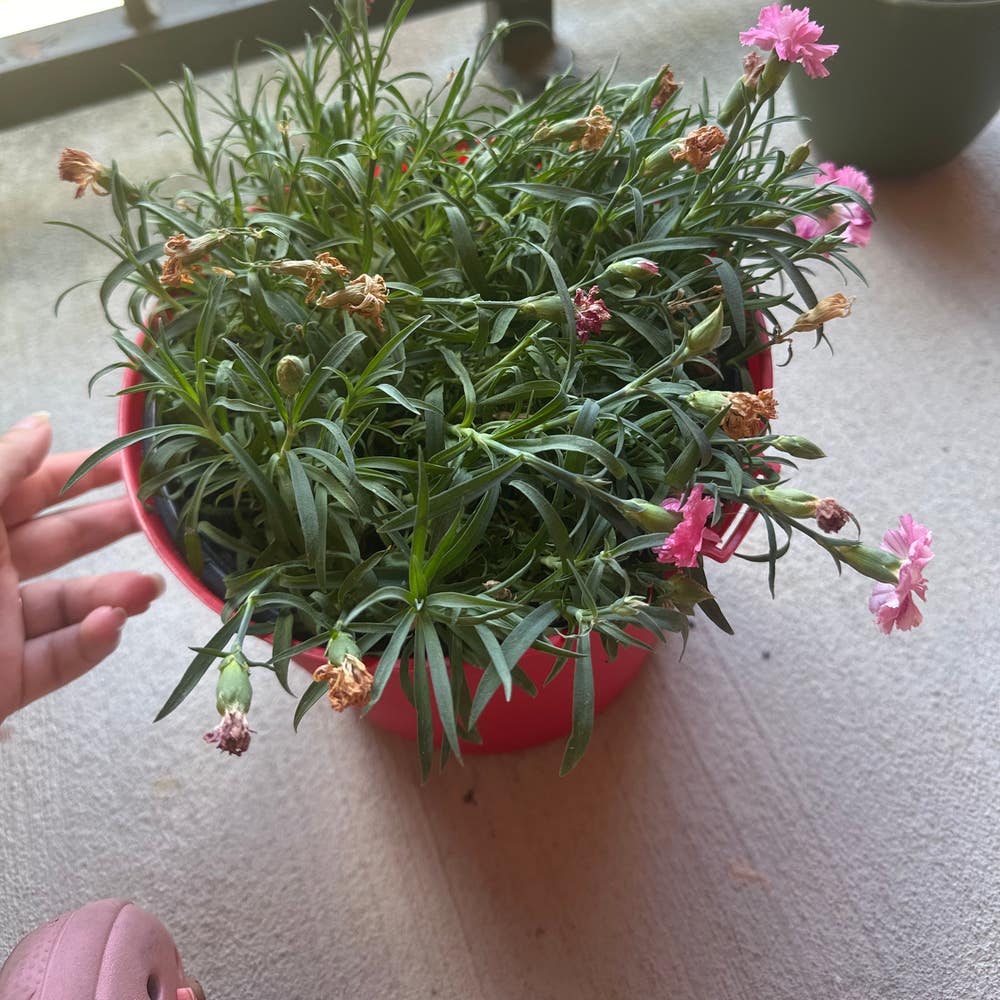
Deadheading is crucial during this phase. By removing spent flowers, you encourage the plant to focus its energy on producing new blooms, extending its flowering season.
🌱 Longevity and Growth After Flowering
One of the best features of the Orange Mini Carnation is its resilience. It doesn’t die after flowering; instead, it can continue to grow and bloom in subsequent seasons.
With proper care, you’ll find that your plant remains a colorful addition to your garden year after year. Embrace the journey of nurturing your carnation, and enjoy the beauty it brings!
Unique Aspects
Unusual Characteristics 🌼
The Orange Mini Carnation boasts a compact growth habit, making it perfect for container gardening. This trait allows you to enjoy its vibrant blooms even in limited spaces, like balconies or small patios.
Additionally, these flowers thrive in various environments, including indoor settings. Whether you place them on a sunny windowsill or in a cozy corner, they adapt well, bringing a splash of color to your home.
Trivia About Reproductive Strategies 🤔
While the Orange Mini Carnation is often self-pollinating, it benefits greatly from cross-pollination. This process can lead to more robust seed production, enhancing genetic diversity and resilience.
Moreover, carnations carry a rich symbolism. They often represent love and fascination, adding an emotional layer to their ornamental appeal. This makes them not just beautiful but meaningful additions to any garden or floral arrangement.
As you explore the unique aspects of the Orange Mini Carnation, you’ll find that its charm extends beyond its appearance. This flower is a delightful blend of beauty and practicality, making it a favorite among gardeners and flower enthusiasts alike.
Next, let’s dive into the essential post-flowering care to keep your Orange Mini Carnation thriving!
⚠️ Safety First
This content is for general information and may contain errors, omissions, or outdated details. It is not medical, veterinary advice, or an endorsement of therapeutic claims.
Always consult a qualified healthcare professional before using any plant as food, medicine, or supplement.
Never eat any plant (or feed one to pets) without confirming its identity with at least two trusted sources.
If you suspect poisoning, call Poison Control (800) 222-1222, the Pet Poison Helpline (800) 213-6680, or your local emergency service immediately.
Spotted an error? Please report it here.
Transform your space with vibrant blooms 🌼 by using Greg's personalized care tips and reminders to keep your Orange Mini Carnation thriving all season long!