Ultimate Guide to What's Eating Your Orange Mini Carnation 🐛
Dianthus caryophyllus
By the Greg Editorial Team
Oct 14, 2024•7 min read
This article was created with the help of AI so we can cover more plants for you. May contain errors. See one? Report it here.
- 🌼 Orange mini carnations attract both pollinators and herbivores, enhancing garden biodiversity.
- 🦌 Common threats include deer, rabbits, and squirrels; use repellents and fencing for protection.
- 🌞 Optimal growth requires full sun and well-drained soil; monitor regularly for pests.
Most Appealing Parts to Animals
Description of Appearance and Characteristics 🌼
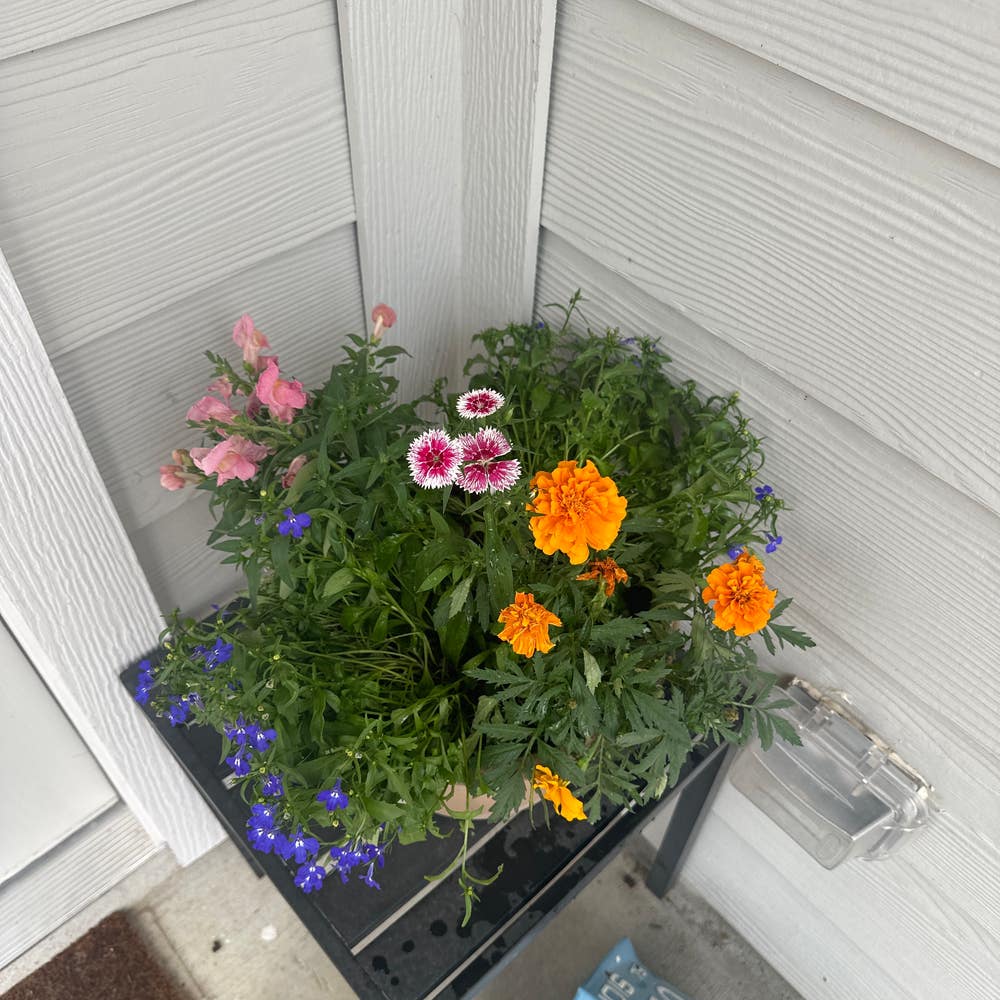
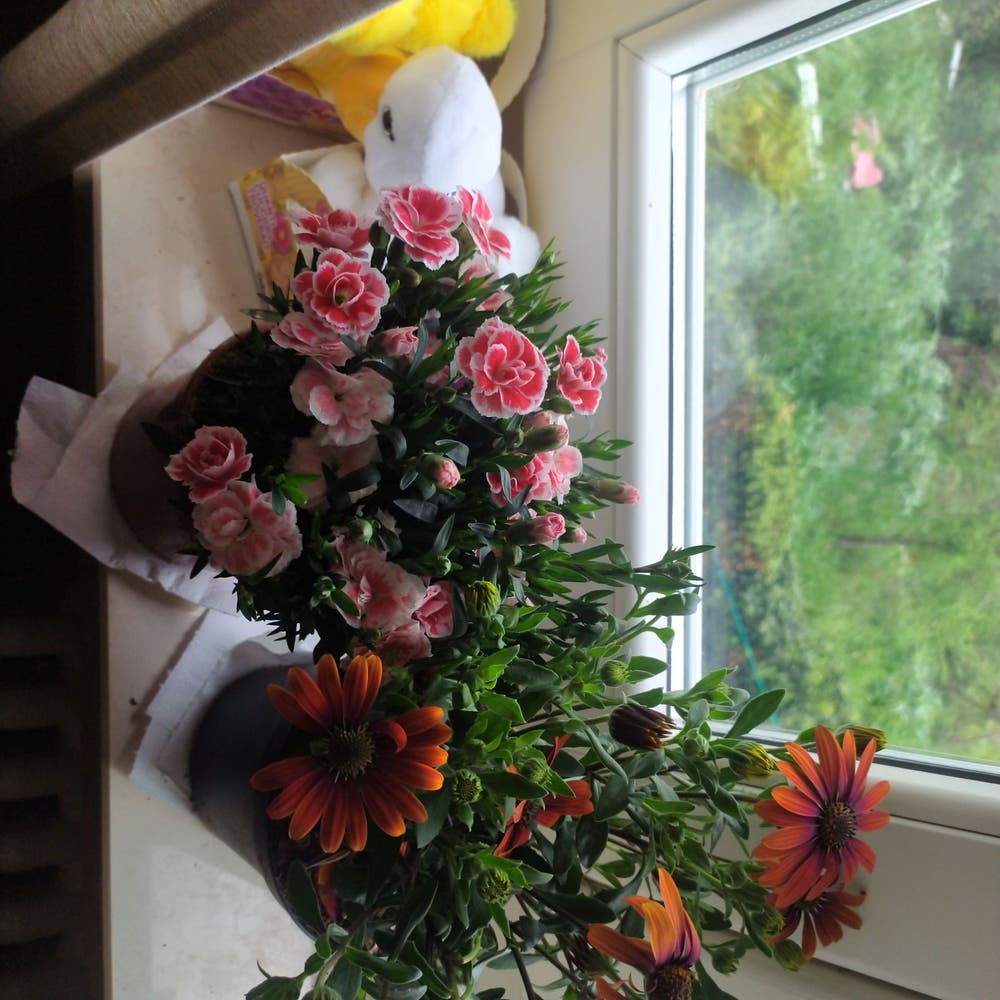
The orange mini carnation is a showstopper in any garden, boasting vibrant orange flowers that emit a delightful clove-like scent. This compact, bushy structure makes it an attractive choice for both novice and seasoned gardeners.
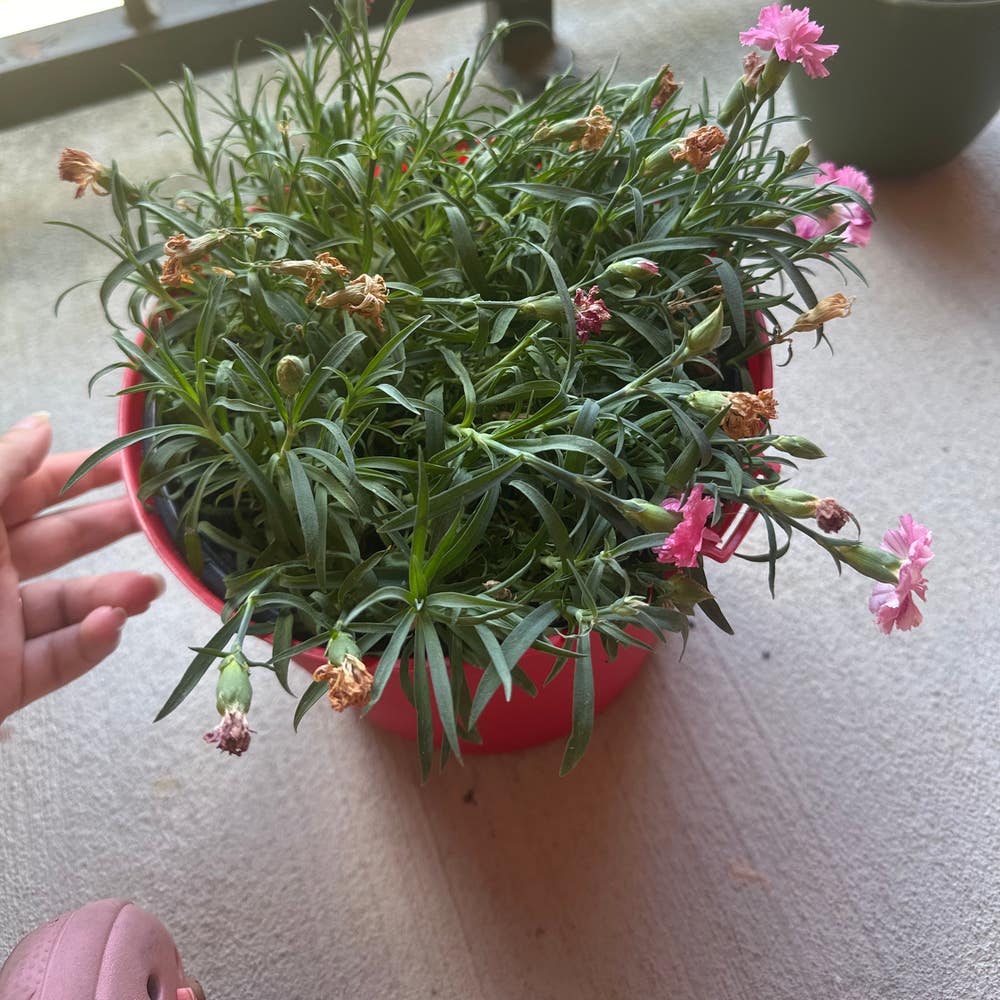
Its narrow, green leaves beautifully complement the bright blooms, creating a striking visual contrast. These plants thrive in well-drained soil and bask in full sun exposure, making them ideal for sunny spots in your garden.
The combination of their aesthetic appeal and fragrant flowers draws in various animals, both beneficial and harmful. Understanding these characteristics can help you protect your orange mini carnations from potential threats while enjoying their beauty.
Next, we’ll explore the common herbivores that may be drawn to these lovely plants.
Common Herbivores Affecting Orange Mini Carnation
🦌 Deer
Signs of Presence and Damage Caused
Deer can be a significant threat to your orange mini carnations. Look for hoof prints in muddy areas and signs of browsing, where leaves and flowers are stripped, leading to stunted growth.
Beneficial vs. Harmful Interactions
Interactions with deer are generally harmful. If left unmanaged, they can decimate your plants, leading to a barren garden.
Deterrent Methods (difficulty: moderate)
To keep deer at bay, consider using commercial deer repellents. Alternatively, you can plant deer-resistant species nearby or use human hair and soap shavings as organic deterrents.
🐇 Rabbits
Signs of Presence and Damage Caused
Rabbits leave small, round droppings near your plants, which is a telltale sign of their presence. They often cause damage by cleanly cutting stems and leaves, making your carnations look ragged.
Beneficial vs. Harmful Interactions
Rabbits are generally harmful to your garden. Their feeding habits can lead to significant plant damage, so vigilance is key.
Deterrent Methods (difficulty: easy)
For an easy fix, use bitter-tasting sprays to deter rabbits. You can also install fencing that is 2-3 feet high or plant rabbit-resistant plants to keep them away.
🐿️ Squirrels
Signs of Presence and Damage Caused
Squirrels can wreak havoc on your orange mini carnations. Look for chewed stems and flowers, along with nesting materials like twigs and leaves taken from your garden.
Beneficial vs. Harmful Interactions
Interactions with squirrels are generally harmful. Their activities can disrupt flowering and overall plant growth, leading to frustration for gardeners.
Deterrent Methods (difficulty: moderate)
Capsaicin-based sprays can serve as effective chemical deterrents against squirrels. Additionally, scare tactics like reflective tape and noise-makers can help keep them at bay.
🐦 Birds
Signs of Presence and Damage Caused
Birds can be a mixed bag for your garden. Look for peck marks on flowers and leaves, along with signs of nesting behavior nearby.
Beneficial vs. Harmful Interactions
While some birds may help pollinate your flowers, others can cause damage. It's essential to monitor their activities to strike a balance.
Deterrent Methods (difficulty: easy)
Non-toxic bird repellents can deter unwanted feeding. You can also use netting or reflective objects to keep birds from damaging your blooms.
🐭 Rodents (Mice, Voles)
Signs of Presence and Damage Caused
Rodents can be sneaky pests. Look for tunneling near the base of your plants and chewed roots and stems, which indicate their presence.
Beneficial vs. Harmful Interactions
Rodents are generally harmful to your garden. Their activities can lead to severe plant damage, making them a significant concern.
Deterrent Methods (difficulty: hard)
For a more challenging approach, consider using rodent bait stations as chemical deterrents. Organic methods include traps and planting mint or other deterrent plants.
🦡 Groundhogs/Woodchucks
Signs of Presence and Damage Caused
Groundhogs can cause significant damage to your orange mini carnations. Look for large burrows near your garden and signs of plants eaten down to the ground.
Beneficial vs. Harmful Interactions
Interactions with groundhogs are generally harmful. They can devastate garden areas, leaving little behind.
Deterrent Methods (difficulty: hard)
To deter groundhogs, use commercial repellents as a chemical solution. Organic methods include fencing that is at least 3 feet high and buried 1 foot underground to keep them out.
Understanding these common herbivores and their impacts on your orange mini carnations is crucial for maintaining a thriving garden. With the right deterrent methods, you can protect your plants and enjoy their vibrant beauty. Next, let’s explore the beneficial animals and insects that can enhance your garden ecosystem.
Beneficial Animals and Insects
🌼 Positive Impacts on the Garden Ecosystem
Orange mini carnations do more than just brighten your garden; they attract essential pollinators like bees and butterflies. These creatures not only enhance the beauty of your space but also play a crucial role in pollination, ensuring your plants thrive.
In addition to pollinators, predatory insects can help manage harmful pests. Ladybugs and lacewings, for example, feast on aphids and other garden nuisances, creating a natural balance in your ecosystem.
🐞 How to Attract Beneficial Species
To create a welcoming environment for these beneficial creatures, consider planting a variety of flowers. A diverse habitat encourages different species to visit, increasing pollination and pest control.
Providing water sources and shelter is equally important. Simple additions like insect hotels or shallow water dishes can make your garden a haven for helpful insects, ensuring they stick around to support your orange mini carnations.
By fostering these beneficial relationships, you not only protect your plants but also contribute to a thriving garden ecosystem. This proactive approach can lead to a more resilient and vibrant garden, setting the stage for the next section on general strategies for protection.
General Strategies for Protection
🛡️ Preventive Measures for Protecting Orange Mini Carnation
To safeguard your orange mini carnations, consider installing fencing. A sturdy physical barrier can effectively deter larger herbivores from munching on your vibrant blooms.
Companion planting is another smart strategy. By surrounding your carnations with plants that naturally repel herbivores, you create a protective environment that keeps unwanted visitors at bay.
🚨 Reactive Solutions for Managing Animal Interactions
Regular monitoring is crucial for early detection of animal interactions. Keep an eye out for signs of damage or animal presence to address issues before they escalate.
When you notice any signs of trouble, take immediate action. Implementing deterrent methods promptly can save your plants from significant harm.
🍂 Seasonal Variations in Animal Attraction
Animal behavior varies with the seasons. In spring, expect increased activity from herbivores eager to feast on new growth.
As fall approaches, animals prepare for winter. This often leads to more aggressive foraging, making it essential to stay vigilant during this time.
By understanding these dynamics, you can better protect your orange mini carnations and enjoy their beauty year-round.
Toxicity and Ecological Role
🐾 Toxic Effects of Orange Mini Carnation on Animals
Orange mini carnations are generally considered non-toxic. However, if ingested in large quantities, they may cause mild gastrointestinal upset in animals.
🌼 Ecological Role of Orange Mini Carnation in Local Environments
These vibrant flowers do more than just look pretty; they attract beneficial pollinators like bees and butterflies. This not only enhances biodiversity but also supports the local ecosystem.
Additionally, orange mini carnations serve as a food source for various herbivores, playing a crucial role in the local food web. Their presence helps maintain a balanced environment, contributing to the overall health of your garden.
As you cultivate these lovely flowers, remember their dual role in both beauty and ecology. This awareness can deepen your appreciation for the interconnectedness of nature and inspire you to create a thriving garden ecosystem.
Next, let’s explore some general strategies for protecting your orange mini carnations from potential threats.
⚠️ Safety First
This content is for general information and may contain errors, omissions, or outdated details. It is not medical, veterinary advice, or an endorsement of therapeutic claims.
Always consult a qualified healthcare professional before using any plant as food, medicine, or supplement.
Never eat any plant (or feed one to pets) without confirming its identity with at least two trusted sources.
If you suspect poisoning, call Poison Control (800) 222-1222, the Pet Poison Helpline (800) 213-6680, or your local emergency service immediately.
Spotted an error? Please report it here.
Protect your orange mini carnations from pesky herbivores and watch them flourish 🌼 with Greg's tailored care tips and reminders that keep your garden thriving all year round!