🌼 Best Tips for Dropping Leaves on Orange Mini Carnation
Dianthus caryophyllus
By the Greg Editorial Team
Oct 14, 2024•6 min read
This article was created with the help of AI so we can cover more plants for you. May contain errors. See one? Report it here.
- 🌡️ Maintain 15°C to 25°C for optimal orange mini carnation health and to prevent leaf drop.
- 💧 Balance watering to keep soil consistently moist; avoid sogginess and dryness.
- 🌞 Provide 6-8 hours of sunlight daily for vibrant growth and leaf retention.
Causes of Leaf Drop
🌪️ Environmental Stress Factors
Temperature fluctuations can wreak havoc on your orange mini carnation. Ideally, keep them in a range of 15°C to 25°C (59°F to 77°F) to ensure they thrive.
Humidity also plays a crucial role. Moderate humidity levels are essential; too low can lead to leaf health issues and eventual drop.
💧 Overwatering and Underwatering
Overwatering is a common culprit behind leaf drop. Look for yellowing leaves, mushy roots, and, of course, the dreaded leaf drop.
On the flip side, underwatering can be just as damaging. Signs include wilting leaves and dry soil, both of which can lead to leaf drop as well. Aim to keep the soil consistently moist but not soggy for optimal health.
🥦 Nutrient Deficiencies
Nutrient deficiencies can also cause your plant to shed leaves. Common culprits include nitrogen, potassium, and magnesium.
Symptoms of these deficiencies often manifest as leaf yellowing, stunted growth, and, inevitably, leaf drop. Regularly check your plant's nutrient intake to keep it healthy.
🐜 Pest Infestations
Pests like aphids and spider mites can be a nightmare for your mini carnation. They often cause discoloration, webbing, and, you guessed it, leaf drop.
Regular inspections can help catch these pests early, preventing further damage to your plant.
🦠 Disease-Related Issues
Diseases such as root rot and fungal infections can lead to significant leaf drop. Symptoms typically include wilting and yellowing leaves.
Addressing these issues promptly is crucial to restoring your plant's health and preventing further leaf loss.
Understanding these causes can empower you to take action before leaf drop becomes a serious issue. Next, let’s dive into how to diagnose leaf drop effectively.
Diagnosing Leaf Drop
Identifying Symptoms 🌿
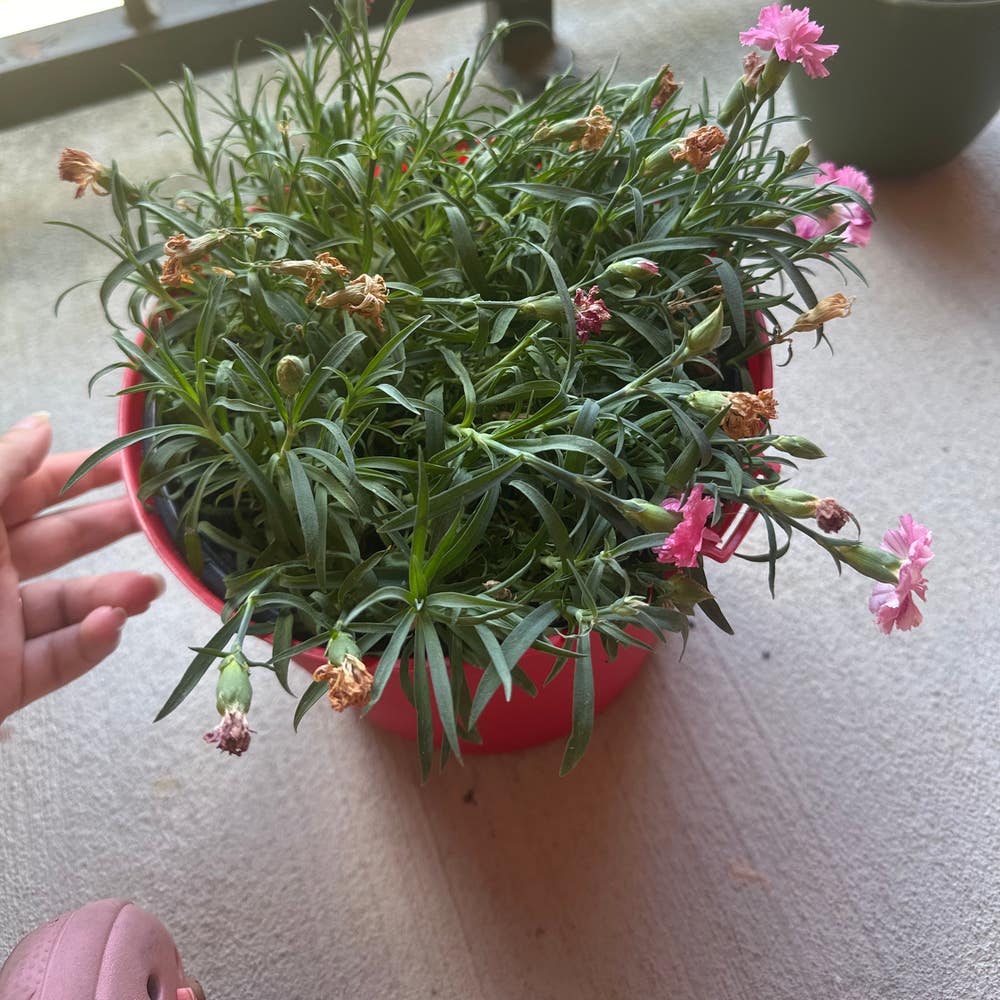
When your orange mini carnation starts dropping leaves, the first step is to look for visual signs. Yellowing, browning, and dropping leaves are key indicators that something is off.
Pay close attention to the color and texture of the leaves. Healthy leaves should be vibrant and firm, while any discoloration or softness can signal underlying issues.
Differentiating Between Causes 🕵️♂️
Next, it’s crucial to differentiate between pests and environmental stress. Look for specific indicators: pests often leave behind webbing or sticky residue, while environmental stress usually manifests as overall leaf decline.
Examine the entire plant for a comprehensive diagnosis. A thorough inspection can reveal whether the problem is localized or systemic, guiding you toward the right treatment.
Understanding these symptoms and their causes will set you on the right path to restoring your plant's health. Now, let’s explore preventive measures to keep your orange mini carnation thriving.
Preventive Measures
🌊 Optimal Watering Practices
Watering your orange mini carnation correctly is crucial. Always check the soil moisture before watering to avoid over or under-watering.
Using pots with drainage holes is essential for preventing water accumulation. This ensures that excess water can escape, keeping the roots healthy.
🌱 Ideal Soil Conditions and Amendments
A well-draining potting mix is the best choice for your mini carnation. This type of soil allows for proper aeration and moisture retention.
To improve drainage, consider adding perlite or sand to your soil mix. These amendments help create a lighter texture, promoting healthy root growth.
🌼 Proper Fertilization Schedule
Balanced NPK fertilizers are recommended for optimal growth. These fertilizers provide essential nutrients that your plant needs.
Fertilize monthly during the growing season to keep your plant thriving. This regular feeding supports robust growth and vibrant blooms.
☀️ Light and Temperature Requirements
Your orange mini carnation thrives in full sun, requiring 6-8 hours of light daily. Position it in a bright spot to ensure it receives adequate sunlight.
Temperature management is also vital. Avoid exposing your plant to extreme fluctuations to maintain its health.
🔍 Regular Monitoring for Pests and Diseases
Routine inspections are key to preventing pest infestations and diseases. Check the undersides of leaves and the soil regularly for any signs of trouble.
Early detection allows for prompt action, ensuring your mini carnation stays healthy and vibrant. Keeping a close eye on your plant can save you from bigger issues down the line.
With these preventive measures in place, your orange mini carnation will be well-equipped to thrive. Next, let’s explore effective treatment solutions to address any issues that may arise.
Treatment Solutions
Adjusting Watering Habits 🌊
To start, assess your current watering schedule. Consider how often and how much you're watering your orange mini carnation.
Next, check the soil moisture. You can use a moisture meter or simply stick your finger into the soil to gauge its dampness.
Finally, adjust your watering based on your findings. If the soil is too dry, increase your watering; if it's too soggy, cut back.
Amending Soil for Better Drainage 🏞️
First, identify any drainage issues. Look for signs like water pooling on the surface or consistently soggy soil.
Then, mix in amendments to improve drainage. Incorporate materials like perlite or sand into your existing soil to enhance its texture.
If drainage issues persist, consider repotting. Transfer your plant to a pot with better drainage capabilities to ensure its health.
Pest Control Methods 🐞
For pest control, start with organic options. Neem oil and insecticidal soap are effective and environmentally friendly choices.
If necessary, explore chemical options. Systemic insecticides can be used, but follow application guidelines carefully to avoid harming your plant.
Treatment for Common Diseases 🦠
Identifying root rot is crucial. Look for signs such as wilting, yellowing leaves, and a foul smell from the soil.
To treat root rot, adjust your watering habits. Reduce watering frequency and consider using fungicides to combat any fungal infections.
With these treatment solutions, you can effectively address the issues causing leaf drop in your orange mini carnation. Next, let’s explore seasonal considerations to keep your plant thriving year-round.
Seasonal Considerations
Adjusting Care During Different Seasons 🌱
Caring for your orange mini carnation requires seasonal adjustments to keep it thriving.
Spring is the perfect time for fertilization and repotting. As growth kicks into high gear, a balanced fertilizer will provide essential nutrients.
In summer, increase your watering frequency and stay vigilant for pests. The heat can stress your plant, so keep the soil consistently moist.
As fall approaches, prepare your plant for dormancy by gradually reducing watering. This helps your carnation conserve energy for the colder months.
During winter, protect your plant from cold drafts and reduce light exposure. This ensures it remains healthy and ready to bloom when spring returns.
Preparing for Temperature Changes 🌡️
Temperature fluctuations can be challenging for your orange mini carnation.
To manage indoor care during seasonal shifts, keep your plant away from drafty windows and heating vents.
Acclimatization is crucial when moving your plant outdoors. Gradually introduce it to outdoor conditions to prevent shock.
Seasonal Pests and Management 🐛
Different seasons bring different pests.
In spring, watch out for aphids, which can quickly infest your plant.
During summer, spider mites may become a problem. Regular monitoring is key to catching these pests early.
Implement preventive measures like routine inspections and treatments. This proactive approach will help keep your mini carnation healthy and vibrant.
With these seasonal considerations in mind, you can ensure your orange mini carnation thrives year-round. Next, let’s explore effective treatment solutions for any issues that may arise.
⚠️ Safety First
This content is for general information and may contain errors, omissions, or outdated details. It is not medical, veterinary advice, or an endorsement of therapeutic claims.
Always consult a qualified healthcare professional before using any plant as food, medicine, or supplement.
Never eat any plant (or feed one to pets) without confirming its identity with at least two trusted sources.
If you suspect poisoning, call Poison Control (800) 222-1222, the Pet Poison Helpline (800) 213-6680, or your local emergency service immediately.
Spotted an error? Please report it here.
Keep your orange mini carnation leafy and lively 🌼 by using Greg for tailored watering reminders and care tips that ensure it thrives without dropping leaves!