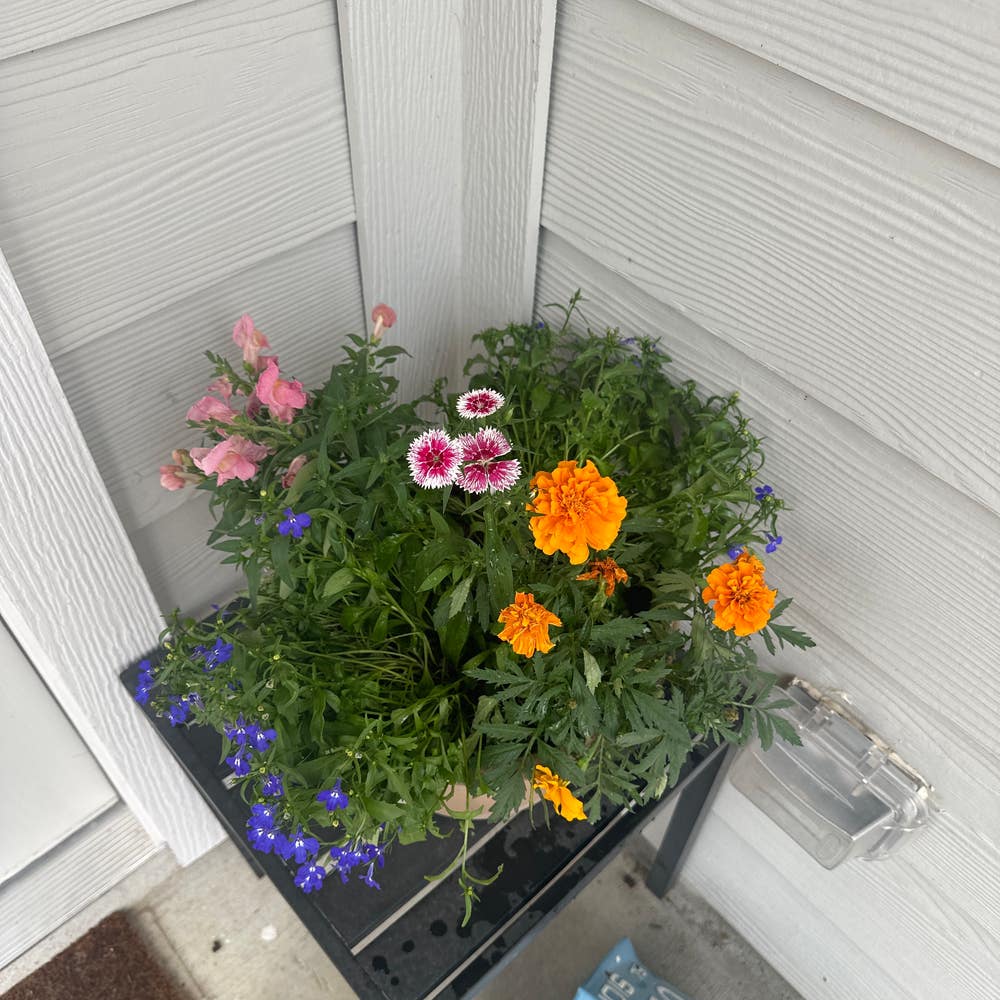
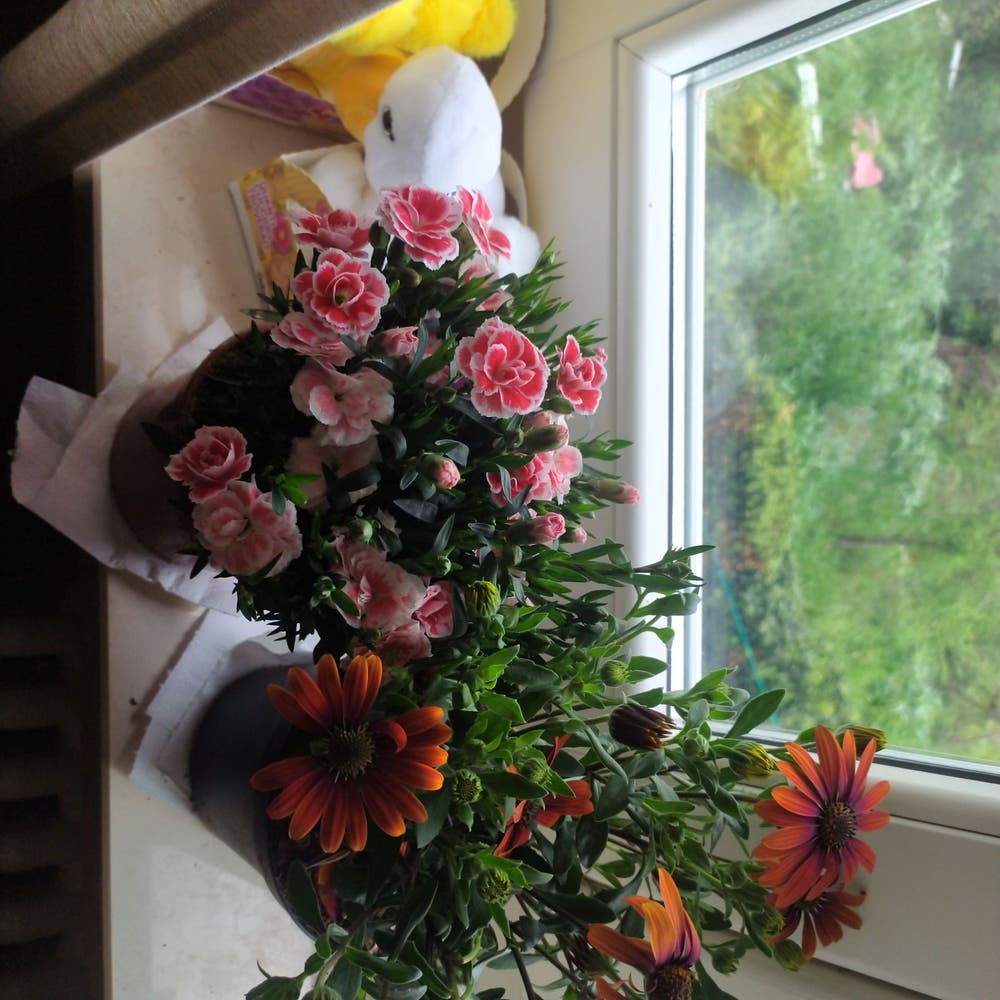
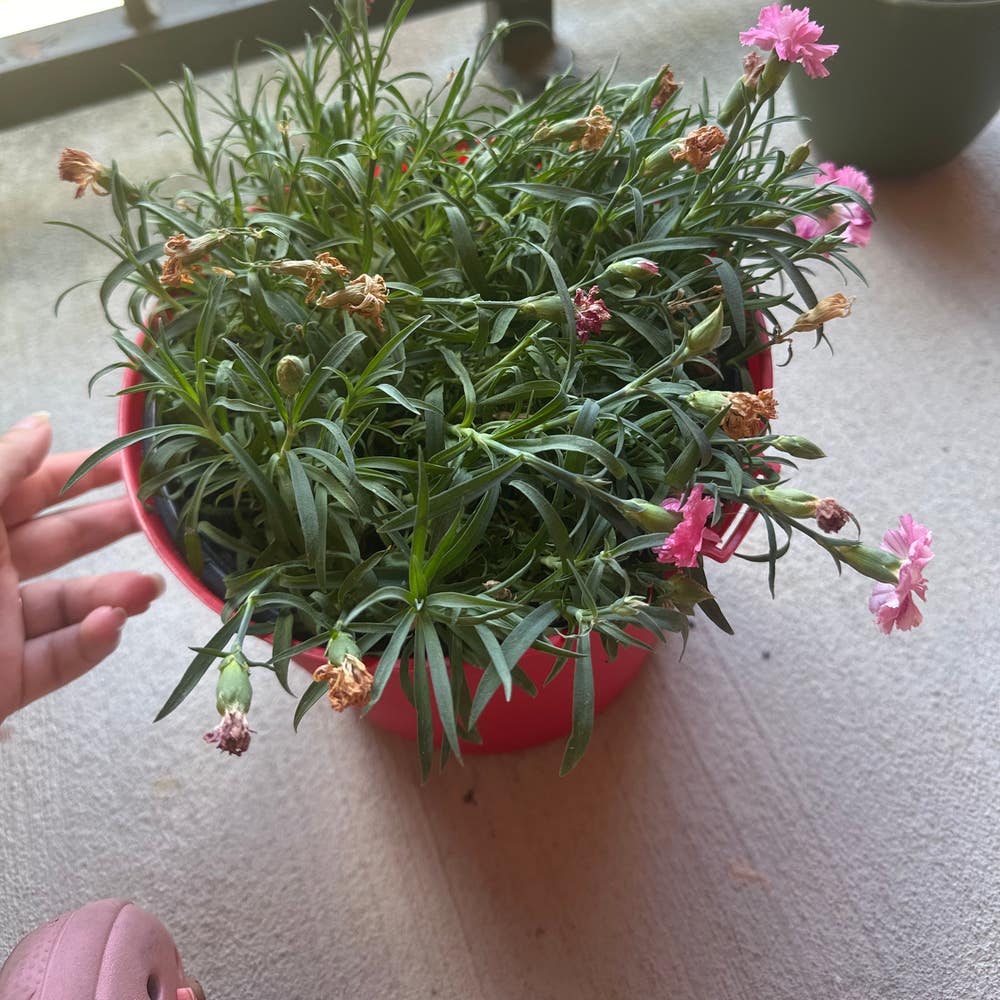
🌼 Expected Size of Your Orange Mini Carnation
Dianthus caryophyllus
By the Greg Editorial Team
Oct 14, 2024•5 min read
This article was created with the help of AI so we can cover more plants for you. May contain errors. See one? Report it here.
- 🌱 Orange mini carnations grow 6-12 inches tall and spread 8-10 inches wide.
- ☀️ Full sun is ideal; they tolerate partial shade for healthy growth.
- 💧 Consistent moisture is key, but avoid overwatering to prevent root rot.
Typical Mature Dimensions
When it comes to orange mini carnations, their mature height typically ranges from 6 to 12 inches. This compact size makes them perfect for various garden settings, whether in beds or containers.
Their mature spread is generally between 8 to 10 inches, allowing them to fill out nicely without overwhelming nearby plants.
In terms of growth rate, expect a moderate pace, taking about 12 to 16 weeks to reach full size under optimal conditions. This timeframe gives you a chance to enjoy their vibrant blooms without a long wait.
Understanding these dimensions helps you plan your garden layout effectively, ensuring each plant has enough space to thrive. With the right care, these mini carnations can become a stunning focal point in your floral arrangements or garden beds.
Next, let’s explore how different growing conditions can influence the size of your orange mini carnations.
Size Variability Based on Growing Conditions
🌍 Environmental Factors Influencing Size
The size of your orange mini carnation can vary significantly based on several environmental factors. Understanding these can help you achieve the best results in your garden.
🌱 Soil Quality
Well-draining, nutrient-rich soil is crucial for optimal growth. Poor soil quality can stunt growth and affect the overall health of your plants.
Soil pH also plays a vital role. Ideally, a pH between 6.0 and 7.0 promotes healthy growth and vibrant blooms.
☀️ Light Exposure
Light conditions are another key factor. Orange mini carnations thrive in full sun but can tolerate partial shade.
Insufficient light can lead to leggy growth and fewer flowers, ultimately impacting the size of your plants.
💧 Watering Practices
Consistent moisture is essential for healthy growth. However, overwatering can lead to root rot, stunting your carnations' growth.
Watch for signs of water stress, such as wilting or yellowing leaves, as these can indicate that your plants are struggling to thrive.
Understanding these environmental factors will help you create the ideal conditions for your orange mini carnations. Next, we’ll explore the different varieties available and how their sizes can vary.
Varieties of Orange Mini Carnation
🌱 Dwarf Varieties
Dwarf orange mini carnations typically reach a height of 4 to 6 inches. These petite plants are perfect for small spaces and container gardening, making them a favorite for urban gardeners.
Some popular dwarf varieties include 'Chantilly' and 'Dwarf Orange Delight.' Each offers unique features, such as vibrant blooms and compact growth, ideal for adding a splash of color to limited areas.
🌼 Giant Varieties
On the other end of the spectrum, giant orange mini carnations can exceed 12 inches in height. These robust plants are well-suited for larger garden spaces, creating dramatic displays that command attention.
Examples of popular giant varieties include 'Orange Explosion' and 'Titanic Orange.' Their impressive growth habits make them a striking choice for any garden enthusiast looking to make a bold statement.
With a variety of options available, you can choose the perfect orange mini carnation to fit your gardening needs. Next, let’s explore how to control the size of these beautiful blooms for optimal growth.
Controlling Size
✂️ Pruning Techniques for Size Control
Pruning is essential for maintaining the desired dimensions of your orange mini carnation. It encourages bushier growth and helps keep the plant healthy.
Step-by-Step Pruning Guide
- Timing: The best time to prune is early spring, just before new growth begins.
- Tools: Always use clean, sharp pruning shears to make precise cuts.
- Techniques: Pinch back the tips of the stems and remove any dead or leggy growth to promote a fuller appearance.
🌱 Other Methods to Manage Growth
Container gardening is another effective way to control the size of your mini carnations. Using smaller pots limits root growth, which in turn restricts the overall size of the plant.
Fertilization Strategies
Utilizing slow-release fertilizers can help manage nutrient availability and growth rate. This method ensures your plants receive the right nutrients over time, promoting healthy growth without excessive size.
By combining pruning with container gardening and thoughtful fertilization, you can effectively manage the size of your orange mini carnation. This balance allows for a vibrant display while keeping your garden space organized and appealing.
Next, let’s explore the environmental factors that can influence the size of your plants.
Environmental Factors Affecting Size
🌡️ Influence of Temperature on Growth
The optimal temperature range for orange mini carnations is between 60°F to 75°F. Extreme temperatures, whether too hot or too cold, can stunt growth and lead to poor health.
Seasonal variations also play a crucial role in their growth habits. For instance, warmer spring temperatures can accelerate growth, while cooler fall temperatures may slow it down.
🌱 Effects of Fertilization on Size
Using the right fertilizers can significantly enhance the growth of your mini carnations. Balanced NPK ratios—specifically a mix of nitrogen, phosphorus, and potassium—are essential for promoting healthy flowering size.
Timing and frequency of fertilization are equally important. Regular feeding during the growing season can support robust growth and vibrant blooms.
💡 Light Requirements and Their Impact on Dimensions
Adequate light is vital for achieving the mature dimensions of your orange mini carnations. Insufficient light can lead to leggy growth and fewer flowers, while optimal light conditions encourage fuller plants.
Adjusting light exposure based on the growth stage can yield better results. Young plants may thrive in partial shade, while mature ones typically require full sun for maximum growth and flowering potential.
These environmental factors are key to understanding how to cultivate your orange mini carnations effectively. By managing temperature, fertilization, and light, you can ensure your plants reach their full potential. Next, let’s explore how to control their size through pruning and other methods.
⚠️ Safety First
This content is for general information and may contain errors, omissions, or outdated details. It is not medical, veterinary advice, or an endorsement of therapeutic claims.
Always consult a qualified healthcare professional before using any plant as food, medicine, or supplement.
Never eat any plant (or feed one to pets) without confirming its identity with at least two trusted sources.
If you suspect poisoning, call Poison Control (800) 222-1222, the Pet Poison Helpline (800) 213-6680, or your local emergency service immediately.
Spotted an error? Please report it here.
Unlock the full potential of your orange mini carnations 🌼 with Greg's tailored care tips and watering reminders, ensuring they thrive in your garden!