💡 4 Tips for Light Requirements for Your Carnation
Dianthus caryophyllus
By the Greg Editorial Team
Oct 10, 2024•3 min read
This article was created with the help of AI so we can cover more plants for you. May contain errors. See one? Report it here.
- 🌞 Carnations need 6-8 hours of bright, indirect light daily for optimal growth.
- 🪴 Use grow lights for 12-16 hours if natural light is insufficient indoors.
- 🌤️ Outdoor carnations thrive in 6 hours of direct sunlight; adjust for climate.
Indoor Light Guidance
Best Light Conditions 🌞
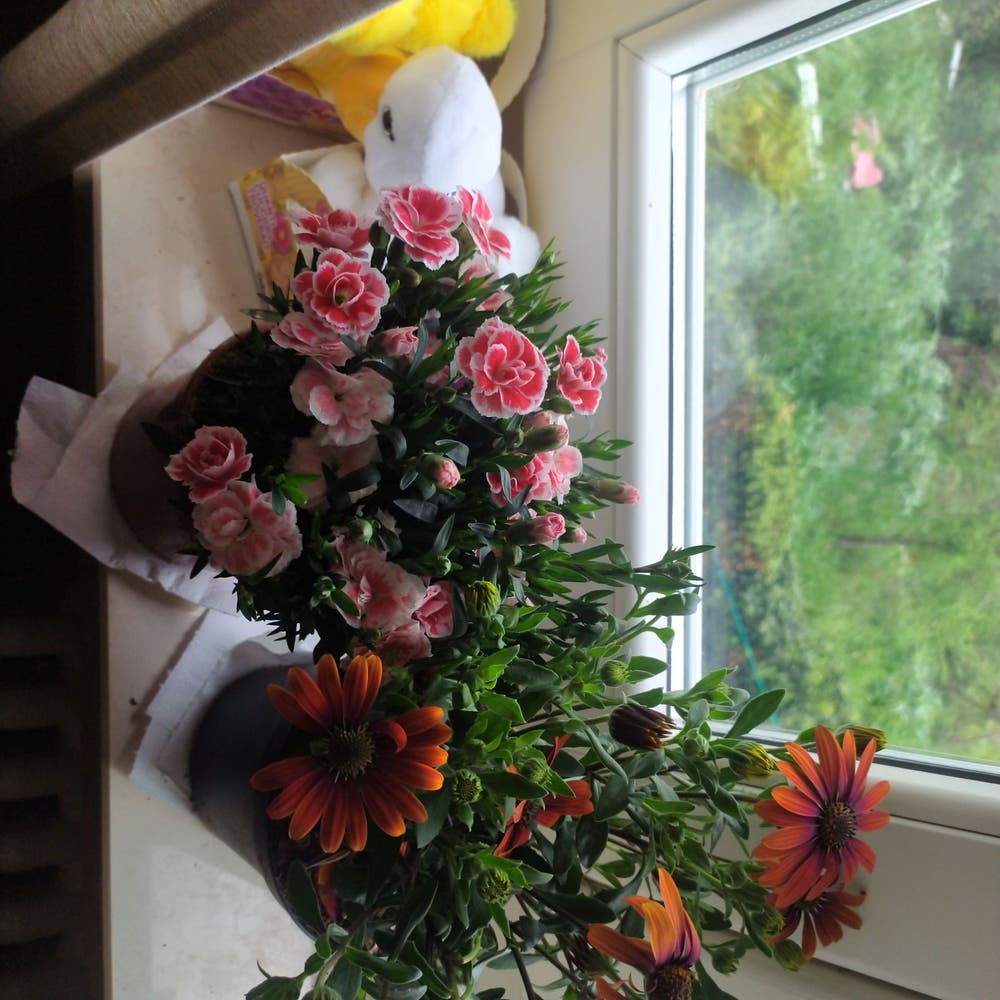
For your carnation to thrive, it needs bright, indirect light for about 6-8 hours daily. Positioning your plants near east or south-facing windows will provide the optimal light they crave.
Using Grow Lights for Indoor Growth 💡
If natural light is limited, grow lights can be a game changer.
- Choosing the right grow light: Opt for LED or fluorescent options, which are both effective.
- Light duration: Aim for 12-16 hours of light each day to promote healthy growth.
- Positioning: Keep the lights 6-12 inches above your plants to prevent scorching.
By following these guidelines, you can create an ideal indoor environment for your carnations, ensuring they flourish beautifully. Next, let’s explore outdoor light guidance to maximize their growth potential.
Outdoor Light Guidance
Ideal Sunlight Exposure 🌞
For your carnations to thrive, they need full sun, which means at least 6 hours of direct sunlight daily. If you’re growing certain varieties, especially in hotter climates, partial shade can also work wonders.
Adjusting Light Conditions Based on Climate 🌤️
In hotter regions, providing afternoon shade is crucial to prevent leaf scorch. Conversely, in cooler climates, ensure your carnations soak up full sun exposure to maximize their growth potential.
Understanding these light requirements will help you cultivate vibrant, healthy flowers that brighten any space. Next, let’s explore how light impacts flowering in your carnations.
Light and Flowering
Light Duration and Quality 🌞
Specific light durations play a crucial role in triggering the blooming of your carnations. Longer daylight hours can significantly enhance their flowering potential, making it essential to provide the right amount of light.
Importance of Light Wavelengths 🌈
When it comes to wavelengths, red and blue light are particularly beneficial for flowering. These colors not only promote healthy growth but also encourage vibrant blooms, ensuring your carnations look their best.
Practical Tips for Optimal Light 💡
To maximize flowering, aim for at least 12-16 hours of light daily. This can be achieved through natural sunlight or supplemented with grow lights if needed.
Conclusion
Understanding the relationship between light and flowering can transform your carnation care routine. With the right light conditions, you’ll be rewarded with stunning blooms that brighten any space.
Next, let’s explore common light-related issues that can affect your carnation's health and flowering.
Common Light-Related Issues
🌱 Signs of Insufficient Light
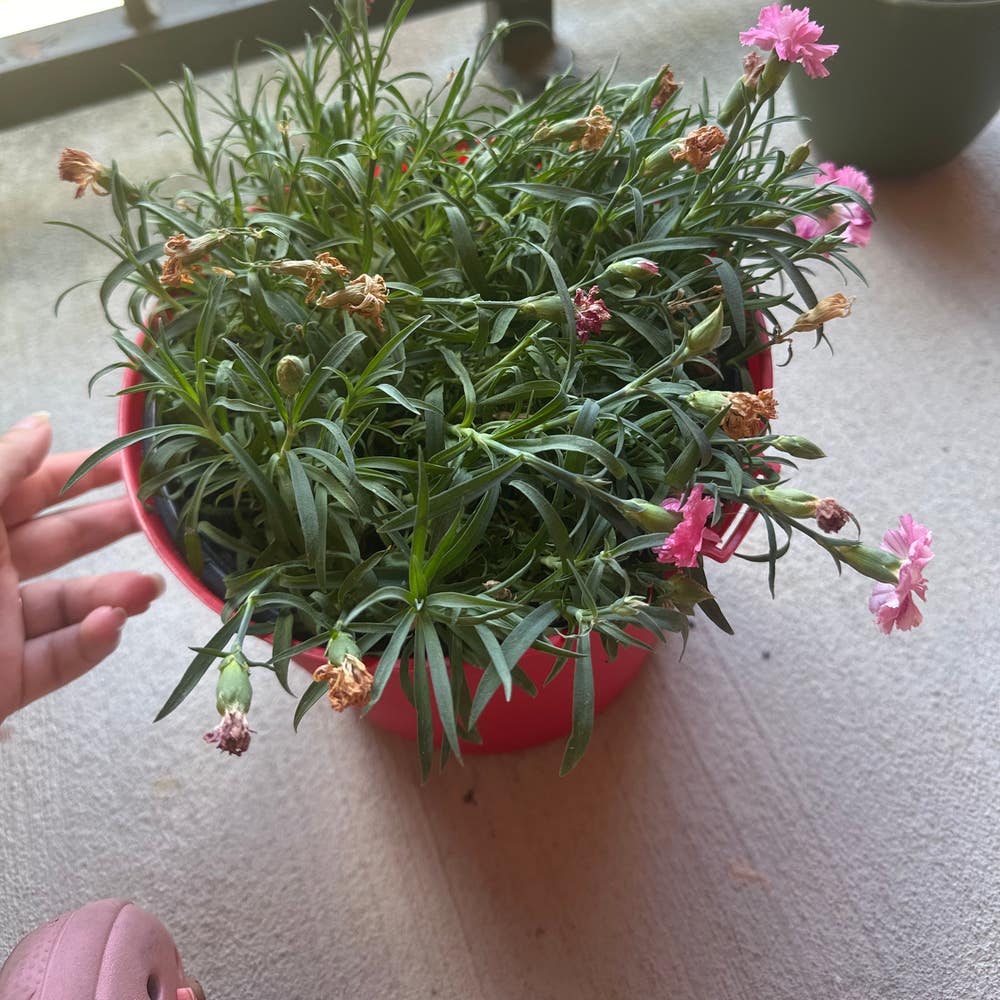
When your carnations aren’t getting enough light, they’ll show some telltale signs. Look out for leggy growth, small leaves, and a noticeable reduction in flowering.
To remedy this, consider moving your plants to brighter locations. If natural light is limited, using grow lights can also provide the boost they need.
☀️ Signs of Excessive Light
On the flip side, too much light can be just as detrimental. Symptoms of excessive light include scorched leaves, faded colors, and wilting.
To protect your plants, provide shade during peak sunlight hours. Alternatively, relocating them to a less intense light area can help restore their health.
Understanding these light-related issues is crucial for maintaining vibrant, healthy carnations. With the right adjustments, you can ensure your plants thrive beautifully.
⚠️ Safety First
This content is for general information and may contain errors, omissions, or outdated details. It is not medical, veterinary advice, or an endorsement of therapeutic claims.
Always consult a qualified healthcare professional before using any plant as food, medicine, or supplement.
Never eat any plant (or feed one to pets) without confirming its identity with at least two trusted sources.
If you suspect poisoning, call Poison Control (800) 222-1222, the Pet Poison Helpline (800) 213-6680, or your local emergency service immediately.
Spotted an error? Please report it here.
Unlock vibrant blooms 🌼 by mastering your carnations' light needs, and let Greg guide you with tailored tips and reminders for the perfect growing environment!