Getting Your Carnation to Bloom 🌸
Dianthus caryophyllus
By the Greg Editorial Team
Oct 10, 2024•5 min read
This article was created with the help of AI so we can cover more plants for you. May contain errors. See one? Report it here.
- 🌸 Carnations bloom in stages: bud formation, swelling, and opening over 3-4 weeks.
- ☀️ Provide 6-8 hours of sunlight and regular watering for optimal blooming.
- 🌈 Different colors symbolize sentiments, making carnations meaningful gifts for any occasion.
Flower Characteristics
Description of Colors and Structure 🌈
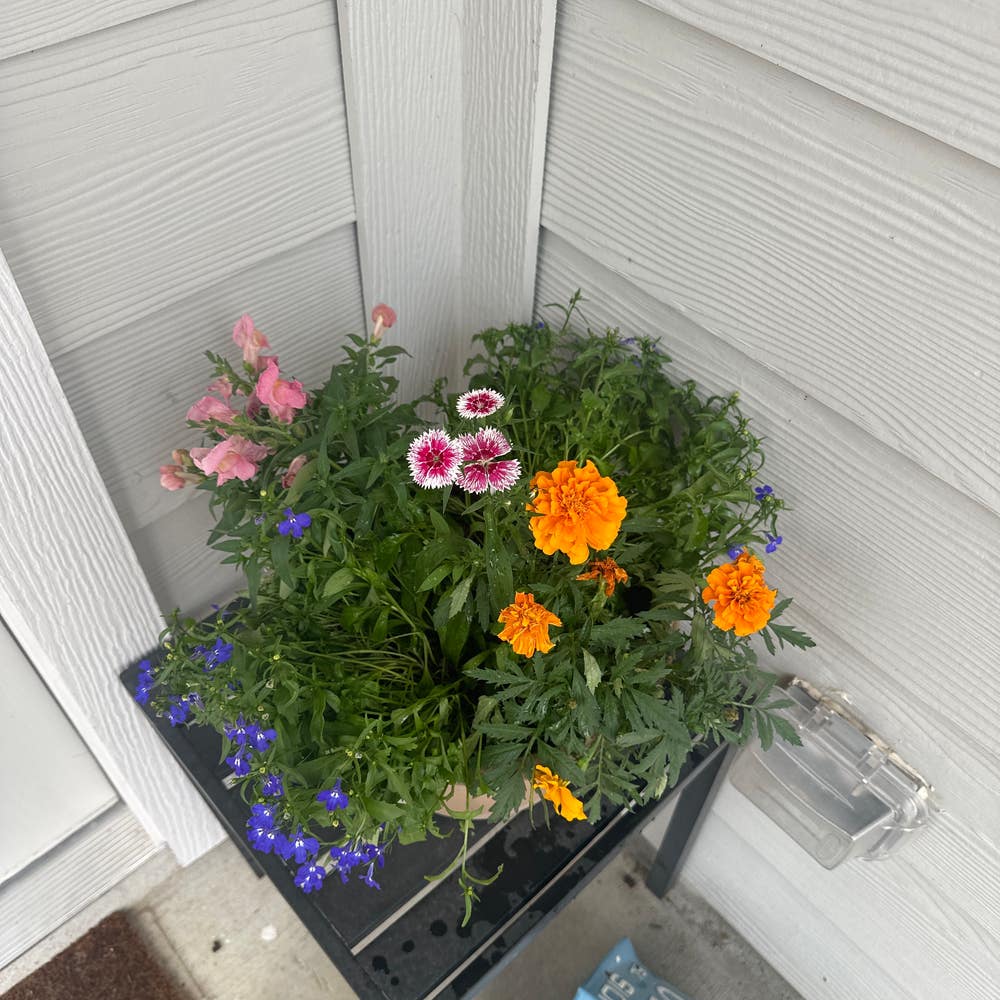
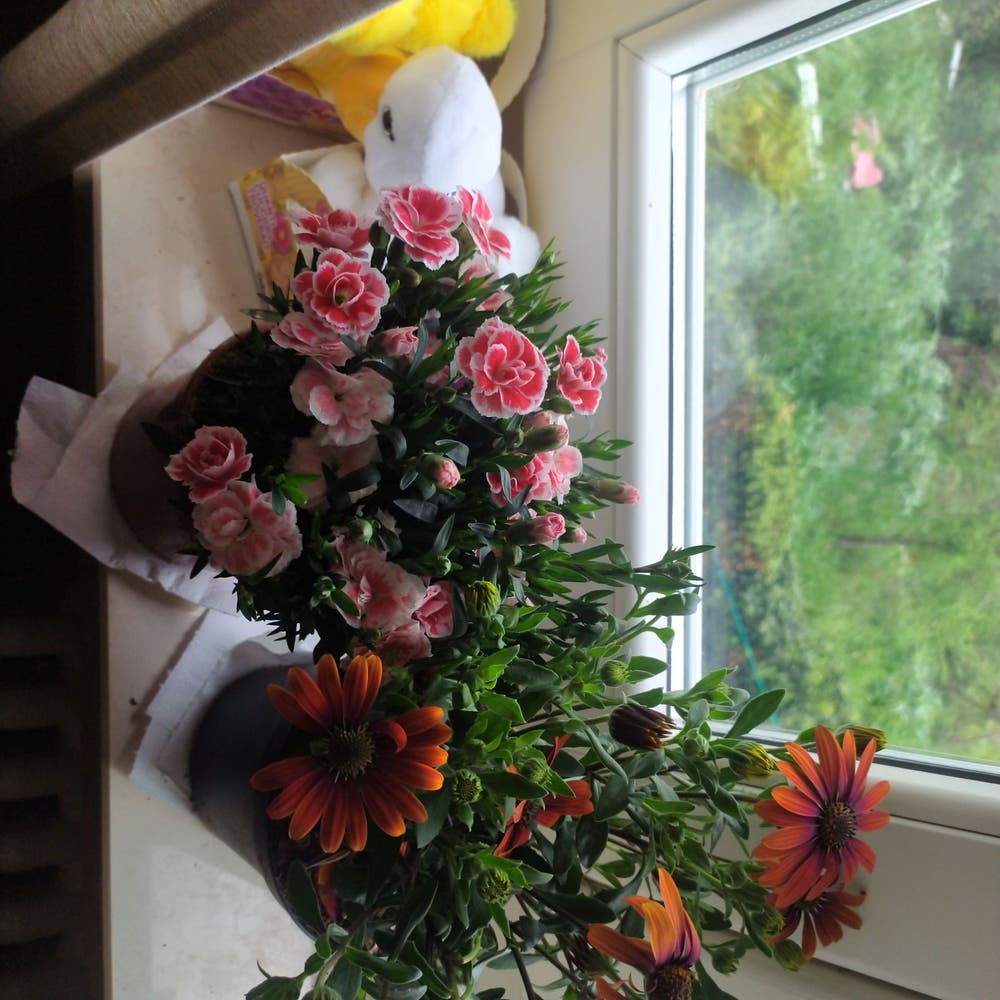
Carnations are a vibrant addition to any garden, showcasing a palette of colors including red, pink, white, yellow, and purple. Their ruffled petals not only create a stunning visual but also emit a delightful clove-like scent, making them a sensory treat.
The size and shape of Carnation flowers can vary significantly based on the specific variety. This diversity allows gardeners to choose blooms that best fit their aesthetic preferences and garden designs.
Self-Pollination vs. External Pollination 🐝
One of the fascinating aspects of Carnations is their ability to self-pollinate. This means they can produce seeds independently, which is a boon for gardeners looking to cultivate new plants without relying on external pollinators.
However, in garden settings, cross-pollination can also occur. This process enhances genetic diversity, leading to stronger and more resilient plants, which is an exciting prospect for any plant enthusiast.
With these characteristics in mind, you can appreciate the beauty and adaptability of Carnations as you nurture them in your garden. Next, let’s explore the blooming process and what it takes to see these flowers flourish.
Blooming Process
Blooming Stages and Typical Bloom Time 🌸
The blooming process of carnations unfolds in three distinct stages. First, you have bud formation, where tiny buds begin to develop, followed by bud swelling, as they grow larger and fuller. Finally, the flower opening stage reveals the stunning blooms.
Typically, carnations bloom from late spring to early summer, but this can vary depending on the specific variety. Knowing the right time can help you plan your garden effectively.
Duration from Bud Formation to Full Bloom ⏳
From the initial bud formation to full bloom, expect a timeline of about 3-4 weeks. The first stage, bud formation, can take 2-3 weeks before the buds start to swell.
This gradual process allows you to witness the transformation, making it all the more rewarding when the flowers finally burst into color.
Lifespan of the Flowers 🌼
Once fully open, carnation flowers generally last 2-3 weeks. However, their longevity can be influenced by several factors, including temperature and care practices.
Proper care, such as maintaining optimal conditions, can extend the life of your blooms. Keep an eye on your flowers, and they’ll reward you with their beauty for as long as possible.
As you nurture your carnations through their blooming process, you'll gain insights into their needs and preferences. This knowledge will not only enhance your gardening skills but also prepare you for the next steps in caring for your plants.
Encouraging Blooms
Tips on How to Encourage Blooming 🌸
To get your carnations to bloom beautifully, start with optimal sunlight exposure. Aim for 6-8 hours of direct sunlight daily to keep those vibrant colors coming.
Next, focus on regular watering. Keep the soil consistently moist, but avoid waterlogging, which can harm the roots.
Fertilization is also key. Use a balanced fertilizer every 4-6 weeks during the growing season to provide essential nutrients for healthy blooms.
Factors Influencing Flowering 🌼
Environmental conditions play a significant role in flowering success. Temperature, humidity, and soil quality can all impact how well your carnations thrive.
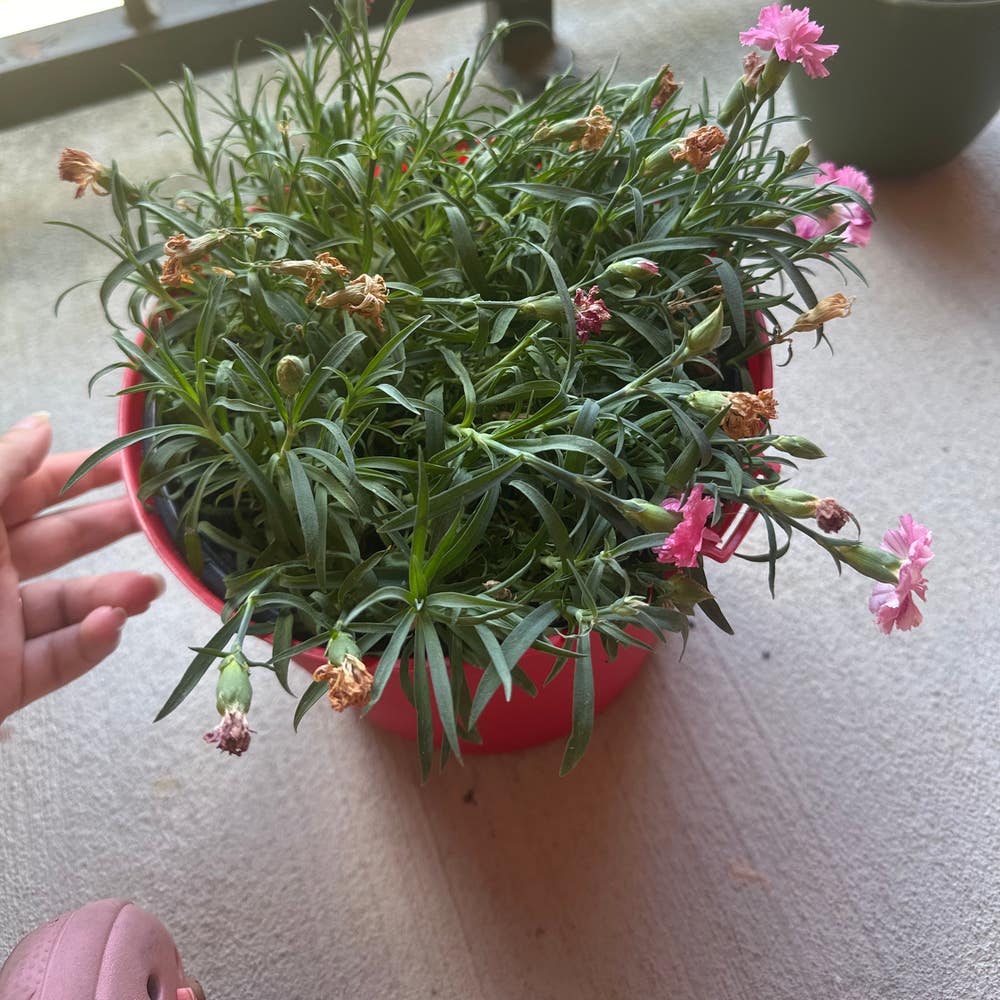
Pruning practices are equally important. Deadheading spent flowers encourages new blooms, ensuring your garden stays vibrant and full of life.
By paying attention to these factors, you can create an environment where your carnations flourish, bringing joy and color to your space.
As you nurture your plants, you'll find that understanding their needs leads to a rewarding blooming experience. Next, let’s explore what happens after the flowering period.
Post-Flowering Care
What Happens After the Flowering Period 🌸
After your beautiful carnations finish blooming, they may enter a dormancy phase. This is a natural part of their life cycle, and it’s crucial to continue caring for them to ensure they bloom again in the future.
Discussion on Whether Carnation Dies After Flowering 🤔
Most carnation varieties are perennial, meaning they won’t die after flowering. However, some annual varieties will complete their life cycle post-bloom, so it's essential to know which type you have in your garden.
With proper care, your perennials can thrive and reward you with vibrant blooms season after season. Keep nurturing them, and you'll be amazed at their resilience and beauty.
As we transition to the next topic, let’s explore the unique aspects of carnations that make them even more fascinating!
Unique Aspects
Unusual Characteristics Related to Flowering 🌸
Carnations are fascinating for their unique blooming patterns and vibrant colors. Some varieties can even bloom multiple times in a season, provided they receive the right care.
Interesting Facts About Reproductive Strategy 💖
Historically, carnations have held significant meaning in various cultures, symbolizing love and fascination. Each color of carnation conveys a specific sentiment, such as love, admiration, or remembrance, making them a thoughtful gift choice.
Understanding these unique aspects not only enhances your appreciation for carnations but also informs your care practices. As you nurture your plants, consider how their beauty and symbolism can enrich your garden experience.
⚠️ Safety First
This content is for general information and may contain errors, omissions, or outdated details. It is not medical, veterinary advice, or an endorsement of therapeutic claims.
Always consult a qualified healthcare professional before using any plant as food, medicine, or supplement.
Never eat any plant (or feed one to pets) without confirming its identity with at least two trusted sources.
If you suspect poisoning, call Poison Control (800) 222-1222, the Pet Poison Helpline (800) 213-6680, or your local emergency service immediately.
Spotted an error? Please report it here.
Unlock vibrant blooms 🌼 from your carnations with Greg's personalized care tips and reminders, ensuring your flowers thrive beautifully all season long!