Optimal Temperature for Your Carnation 🌸
Dianthus caryophyllus
By the Greg Editorial Team
Oct 10, 2024•4 min read
This article was created with the help of AI so we can cover more plants for you. May contain errors. See one? Report it here.
- 🌡️ Carnations thrive between 60°F to 70°F for optimal growth and blooming.
- ❄️🔥 Extreme temperatures stress carnations, causing wilting, discoloration, and stunted growth.
- 🌱 Stable temperatures are crucial for young seedlings and overall plant health.
Ideal Temperature Range
Optimal Temperature for Growth 🌡️
Carnations thrive best in a cozy temperature range of 60°F to 70°F (15°C to 21°C). Keeping your plants within this sweet spot is crucial for robust growth and vibrant flowering.
Temperature Sensitivity ❄️
These flowers are surprisingly sensitive to extreme temperature changes. Prolonged exposure to conditions outside their ideal range can lead to stress, impacting their overall health and blooming potential.
Understanding these temperature dynamics is key to nurturing healthy carnations. With the right care, you can enjoy a stunning display of blooms throughout the growing season.
As we explore further, let’s dive into the symptoms of temperature stress that can affect your carnations.
Temperature Stress Symptoms
❄️ Cold Stress Symptoms
Cold stress can wreak havoc on your carnations.
- Wilting: When temperatures drop, leaves may droop and lose their turgor, making your plants look sad and lifeless.
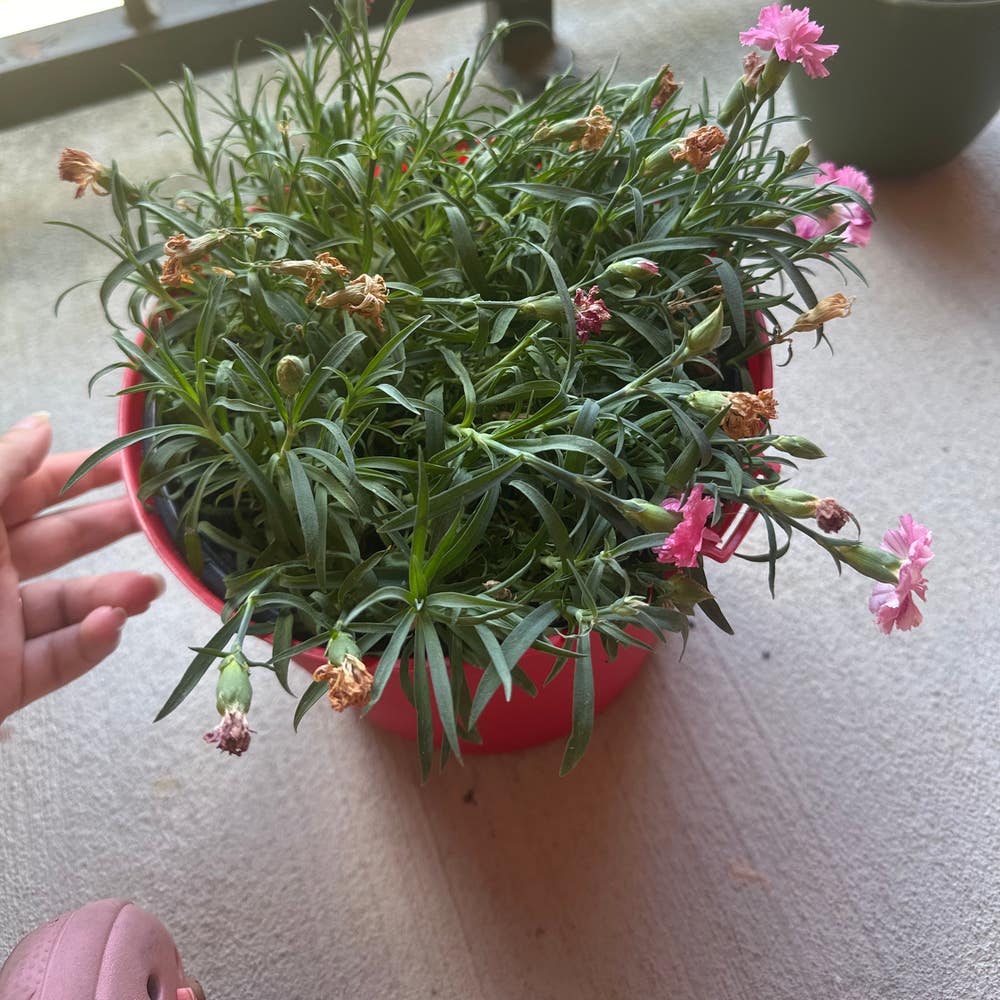
- Discoloration: You might notice leaves turning yellow or brown, signaling distress.
- Stunted Growth: Overall plant vigor diminishes, leading to a lack of growth and flowering.
🔥 Heat Stress Symptoms
On the flip side, heat stress can be just as damaging.
- Leaf Curling: In extreme heat, leaves may curl inward or become crispy, a clear sign your plant is struggling.
- Stunted Growth: Just like with cold stress, heat can reduce flowering and overall size, leaving your carnations looking less than their best.
- Flower Drop: You may also see premature dropping of buds and flowers, which can be disheartening for any gardener.
Understanding these symptoms is crucial for maintaining the health of your carnations. By recognizing the signs of temperature stress early, you can take action to protect your plants and ensure they thrive.
Next, let’s explore the causes of temperature stress and how to prevent it.
Causes of Temperature Stress
❄️ Sudden Temperature Drops
Carnations are particularly sensitive to sudden temperature changes. When nighttime temperatures dip below 50°F (10°C), these plants can experience significant stress.
☀️ Prolonged Heat Exposure
On the flip side, prolonged exposure to daytime temperatures exceeding 80°F (27°C) can wreak havoc on your carnations. This heat can lead to wilting and reduced flowering.
🛡️ Inadequate Protection
Another critical factor is inadequate protection from environmental extremes. Without proper shielding, your carnations may struggle to thrive in fluctuating conditions.
Understanding these causes is essential for maintaining the health of your carnations. By being proactive, you can help your plants flourish despite the challenges posed by temperature stress.
Seasonal Temperature Needs
Growth Stage Temperature Requirements 🌱
Understanding the temperature needs of your carnations at different growth stages is crucial for their success.
Seedling Stage: These young plants thrive best at a consistent temperature of around 65°F (18°C). This stability helps them establish strong roots.
Vegetative Stage: As your carnations grow, they flourish in a slightly broader range of 60°F to 70°F (15°C to 21°C). This is the sweet spot for lush foliage and healthy development.
Flowering Stage: For optimal bloom quality, maintain temperatures between 60°F to 70°F (15°C to 21°C). This range encourages vibrant flowers and robust growth.
Adjusting Care for Seasonal Changes 🍂
Adapting your care routine to seasonal shifts can make all the difference for your carnations.
Spring: Keep an eye out for late frosts that could harm young plants. A simple protective cover can save them from unexpected chills.
Summer: During those scorching days, providing shade is essential. Consider using mulch to help retain moisture and keep roots cool.
Fall: As temperatures drop, it’s time to prepare. Bringing potted plants indoors can shield them from the cold and extend their life.
By staying attuned to these seasonal needs, you can ensure your carnations not only survive but thrive throughout the year. Next, let’s explore how temperature stress can impact your plants and what symptoms to watch for.
Temperature Management Techniques
🌡️ Methods to Maintain Optimal Temperature
Maintaining the right temperature for your carnations is crucial for their health. One effective method is using shade cloths during peak summer heat to shield your plants from excessive sun exposure.
Another strategy is to implement row covers. These can protect your flowers from unexpected cold snaps, ensuring they stay warm and thriving.
🛠️ Tools for Temperature Regulation
To effectively manage temperature, consider investing in a few essential tools. Thermometers are invaluable for monitoring both soil and air temperatures, helping you make informed decisions about your plants' needs.
Soil moisture meters are also beneficial. They ensure proper watering practices, which can mitigate temperature stress and keep your carnations happy.
Lastly, heating mats are a game-changer for starting seedlings in cooler conditions. They provide consistent warmth, promoting healthy growth from the very beginning.
By employing these techniques and tools, you can create an optimal environment for your carnations, setting the stage for vibrant blooms and robust growth. Next, let’s explore the symptoms of temperature stress and how to identify them in your plants.
⚠️ Safety First
This content is for general information and may contain errors, omissions, or outdated details. It is not medical, veterinary advice, or an endorsement of therapeutic claims.
Always consult a qualified healthcare professional before using any plant as food, medicine, or supplement.
Never eat any plant (or feed one to pets) without confirming its identity with at least two trusted sources.
If you suspect poisoning, call Poison Control (800) 222-1222, the Pet Poison Helpline (800) 213-6680, or your local emergency service immediately.
Spotted an error? Please report it here.
Keep your carnations thriving 🌱 by maintaining their ideal temperature with Greg's tailored reminders and monitoring tools for a flourishing garden!