🌸 How to Cure Yellow Leaves on Your Carnation
Dianthus caryophyllus
By the Greg Editorial Team
Oct 10, 2024•6 min read
This article was created with the help of AI so we can cover more plants for you. May contain errors. See one? Report it here.
- 💧 Overwatering and underwatering cause yellow leaves; check soil moisture regularly.
- 🌱 Nutrient deficiencies like nitrogen and iron lead to yellowing; fertilize every 4-6 weeks.
- 🐛 Pests and diseases can damage leaves; monitor regularly and use organic controls.
Causes of Yellow Leaves
💧 Overwatering and Its Effects
Overwatering is a common culprit behind yellow leaves on your carnation. Symptoms include yellowing leaves, wilting, and root rot, which can be detrimental to your plant’s health.
Well-drained soil is essential for healthy carnation growth. If the soil retains too much moisture, it can lead to dark, mushy roots and a foul odor, indicating root rot.
🚰 Underwatering and Stress Symptoms
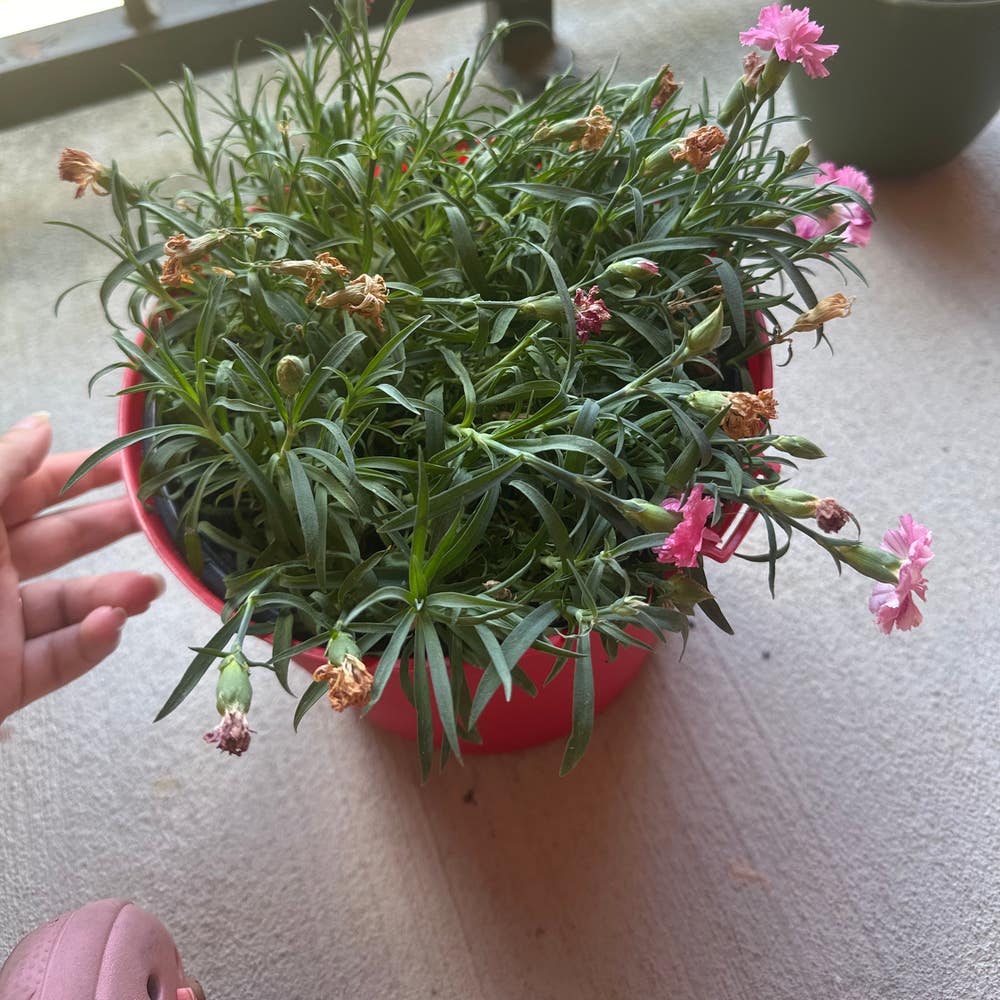
On the flip side, underwatering can also cause yellow leaves. Symptoms include yellowing leaves, crispy edges, and drooping, signaling that your plant is stressed.
Consistent watering is crucial. You want to maintain moisture without waterlogging to keep your carnations thriving.
🥦 Nutrient Deficiencies
Nitrogen Deficiency
A nitrogen deficiency manifests as yellowing of older leaves and stunted growth. To remedy this, use a balanced fertilizer that includes nitrogen.
Iron Deficiency
Iron deficiency presents differently, with yellowing between leaf veins while the veins themselves remain green. Applying chelated iron supplements can effectively address this issue.
🐞 Pest Infestations
Aphids
Aphids can wreak havoc on your carnations, leaving sticky residue and curled leaves. Control methods include using insecticidal soap or neem oil to keep these pests at bay.
Spider Mites
Spider mites are another concern, identifiable by fine webbing and stippled leaves. Increasing humidity and using miticides can help manage these infestations.
🍄 Fungal Diseases
Root Rot
Root rot is a serious issue characterized by wilting despite adequate watering and yellowing leaves. It often results from overwatering and poor drainage.
To treat root rot, remove affected roots and improve drainage. This will help restore your plant's health.
Powdery Mildew
Powdery mildew shows up as white powdery spots on leaves. It thrives in high humidity and poor air circulation.
To combat this, apply fungicides and improve airflow around your plants. This will help prevent further outbreaks.
Understanding these causes is the first step in addressing yellow leaves on your carnations. Next, we’ll explore how to diagnose the specific issues affecting your plants.
Diagnosing Yellow Leaves
🌼 Visual Signs to Look For
Yellow leaves can tell you a lot about your carnation's health. Pay attention to the color changes; specific yellowing patterns often indicate particular issues.
The texture of the leaves is equally important. Crispy leaves may signal underwatering, while mushy ones often point to overwatering.
🔍 Differentiating Between Causes
To pinpoint the problem, assess whether you're overwatering or facing a nutrient deficiency. Checking soil moisture and nutrient levels can provide clarity.
Soil testing is crucial for understanding your plant's needs. Conduct tests to determine pH and nutrient content, ensuring your carnations thrive.
With these diagnostic tools, you're well on your way to restoring your carnations' vibrant health. Next, let’s explore effective treatments for those yellow leaves.
Treating Yellow Leaves
🌊 Adjusting Watering Practices
Assess soil moisture: Use a moisture meter or your finger to check how dry the soil is. This simple step can prevent both overwatering and underwatering.
Watering frequency: Water your carnations when the top inch of soil feels dry. This helps maintain consistent moisture without waterlogging.
Drainage improvement: Ensure your pots have drainage holes. Good drainage is crucial for healthy root systems.
🌱 Fertilization Techniques for Recovery
Types of fertilizers: Opt for balanced NPK fertilizers or slow-release options. These provide essential nutrients for your plants.
Application frequency: Fertilize every 4-6 weeks during the growing season. Regular feeding supports robust growth and vibrant blooms.
🐞 Pest Control Methods
Organic Options
Neem oil and insecticidal soap: These are effective treatments for aphids and spider mites. They’re safe for your plants and the environment.
Introduce beneficial insects: Ladybugs can help keep pest populations in check naturally. They’re a gardener’s best friend!
Chemical Options
Use of systemic insecticides: For severe infestations, these can be effective. Just be sure to follow label instructions for safe application.
Safety first: Always apply chemicals with caution to protect your plants and surrounding wildlife.
🍄 Addressing Fungal Issues
Treatment options for root rot: Remove affected plants and improve drainage. This prevents further damage and promotes healthier growth.
Treatment options for powdery mildew: Apply fungicides and increase airflow around your plants. Good air circulation is key to preventing this issue.
By addressing watering practices, fertilization, pest control, and fungal issues, you can effectively treat yellow leaves on your carnations. This proactive approach not only revives your plants but also sets the stage for vibrant blooms ahead.
Next, let’s explore how to prevent yellow leaves from becoming a recurring problem.
Preventing Yellow Leaves
💧 Best Practices for Watering
Consistent watering is crucial for carnation health. Adjust your watering schedule based on seasonal needs to keep your plants thriving.
Avoid waterlogging by using pots with good drainage. This simple step can prevent many issues related to overwatering.
🌱 Soil Selection and Drainage Tips
Choose a well-draining potting mix or sandy loam for your carnations. The right soil type is essential for promoting healthy root growth.
Incorporate soil amendments like perlite or sand to enhance drainage. This will help prevent water from pooling around the roots.
☀️ Proper Sunlight Exposure
Carnations thrive in full sun, requiring 6-8 hours of sunlight daily. Ensure your plants receive adequate light for optimal growth.
Monitor light levels and adjust placement based on seasonal changes. This will help your carnations stay healthy and vibrant throughout the year.
🔍 Regular Monitoring for Pests and Diseases
Conduct weekly inspections to check for signs of pests and diseases. Early detection is key to preventing larger issues down the line.
Address any problems promptly to keep your carnations in top shape. A proactive approach can save you a lot of trouble later on.
By following these preventive measures, you can significantly reduce the chances of yellow leaves on your carnations. Next, let’s explore how to adjust your care practices based on seasonal changes.
Seasonal Considerations
Care Adjustments for Different Seasons 🌱
Spring is a time of renewal for your carnations. As growth resumes, increase both watering and fertilization to support their vibrant comeback.
In summer, keep a close eye on your plants. Monitor for heat stress and adjust your watering frequency to ensure they stay hydrated without becoming waterlogged.
Preparing for Winter Dormancy ❄️
As the seasons shift towards winter, it's crucial to adapt your care routine. Reduce watering as growth slows to prevent root rot and other issues.
Additionally, protect your plants from frost by using mulch or coverings. This simple step can make a significant difference in their survival through the colder months.
Spring Growth and Nutrient Needs 🌼
With the arrival of spring, it's time to resume regular fertilization. As new growth appears, your carnations will benefit from the nutrients they need to thrive.
Also, be vigilant for pests that may emerge with warmer temperatures. Early detection can save your plants from potential infestations and keep them healthy.
These seasonal adjustments are essential for maintaining the health and vibrancy of your carnations. By understanding their needs throughout the year, you can ensure they flourish in every season.
⚠️ Safety First
This content is for general information and may contain errors, omissions, or outdated details. It is not medical, veterinary advice, or an endorsement of therapeutic claims.
Always consult a qualified healthcare professional before using any plant as food, medicine, or supplement.
Never eat any plant (or feed one to pets) without confirming its identity with at least two trusted sources.
If you suspect poisoning, call Poison Control (800) 222-1222, the Pet Poison Helpline (800) 213-6680, or your local emergency service immediately.
Spotted an error? Please report it here.
Keep your carnations healthy and blooming beautifully 🌼 by using Greg's tailored watering reminders and nutrient tracking to tackle yellow leaves before they become a problem!