🌸 How to Cure Droopy Leaves on Your Carnation
Dianthus caryophyllus
By the Greg Editorial Team
Oct 10, 2024•6 min read
This article was created with the help of AI so we can cover more plants for you. May contain errors. See one? Report it here.
- 🌧️💧 Droopy leaves indicate overwatering or underwatering; check soil moisture regularly.
- 🌱 Nutrient deficiencies can cause pale leaves; fertilize every 4-6 weeks for health.
- 🌞 Carnations need 6-8 hours of sunlight and ideal humidity for optimal growth.
Causes of Droopy Leaves
💧 Overwatering and Its Effects
Droopy leaves often signal overwatering, which manifests as yellowing leaves, soggy soil, and even root rot. When excess water fills the soil, it deprives roots of oxygen, leading to suffocation and weakening the plant's overall health.
🚰 Underwatering and Dehydration
On the flip side, underwatering can cause crispy leaf edges, wilting, and dry soil. Insufficient water leads to dehydration, making leaves droop and, if prolonged, can result in permanent damage to the plant.
🥦 Nutrient Deficiencies
Nutrient deficiencies, particularly in nitrogen, potassium, and magnesium, can also cause droopy leaves. Symptoms include pale leaves, stunted growth, and drooping, as a lack of essential nutrients directly impacts the plant's vigor and leaf health.
🌡️ Environmental Stress
Temperature
Carnations thrive in temperatures between 15°C to 24°C (59°F to 75°F). Extreme heat or cold can stress the plant, resulting in droopy leaves as it struggles to adapt to rapid temperature changes.
💨 Humidity
Ideal humidity levels for carnations range from 40% to 60%. Low humidity can lead to leaf curling or drooping, as the plant loses water through transpiration faster than it can absorb it.
🐛 Pest Infestations and Diseases
Pests like aphids, spider mites, and thrips can wreak havoc on your carnations. Look for discoloration, webbing, or sticky residue on leaves, as these pests weaken the plant and contribute to drooping.
Understanding these causes is crucial for diagnosing and treating droopy leaves effectively. With the right knowledge, you can take proactive steps to restore your carnation's health.
Diagnosing Droopy Leaves
👀 Visual Signs to Look For
When diagnosing droopy leaves on your carnation, start by examining the leaf color. Yellowing or browning leaves often signal distress.
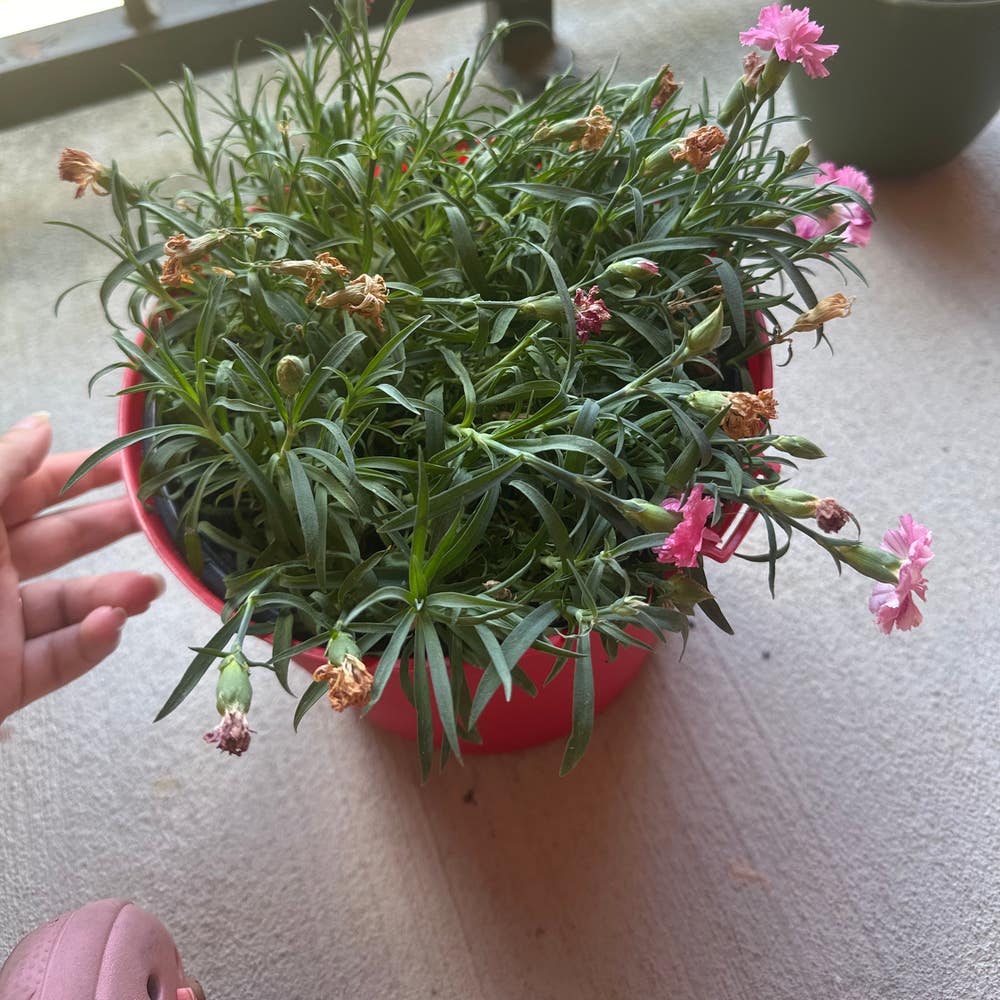
Next, check the leaf texture. Wilting or crispy edges indicate that the plant may be struggling. Additionally, look at the overall plant appearance; stunted growth or drooping flower stems can be telltale signs of underlying issues.
💧 Differentiating Between Overwatering and Underwatering
To determine if your plant is overwatered or underwatered, perform a soil moisture check. Use a moisture meter or simply stick your finger into the soil.
If you notice soggy soil and a foul smell, overwatering is likely the culprit. Conversely, dry soil and crispy leaves suggest that your carnation is underwatered.
🐛 Identifying Pest Damage
Inspect the leaves closely for any signs of pests or feeding damage. Look for discoloration, webbing, or sticky residue, which can indicate pest infestations.
Also, assess the presence of beneficial insects. They can help maintain a healthy balance in your plant's ecosystem.
🌱 Assessing Soil Conditions
Next, evaluate the soil conditions. Check for compacted or waterlogged soil, as poor drainage can lead to droopy leaves.
It's also essential to measure the soil pH. The ideal range for carnations is between 6.0 and 7.0. If your soil falls outside this range, consider adding amendments like perlite or sand to improve drainage.
By carefully diagnosing these signs, you can take the necessary steps to restore your carnation's health. This sets the stage for effective treatment and prevention strategies.
Treating Droopy Leaves
🌊 Step-by-Step Guide to Adjusting Watering Practices
Assess Current Watering Schedule: Take a moment to evaluate how often and how much you’re watering your carnations. This is crucial for their recovery.
Adjust Watering: Water your plants only when the top inch of soil feels dry. This simple change can make a world of difference.
Use Well-Draining Pots: Ensure your pots have drainage holes. This prevents waterlogging, which is a common culprit behind droopy leaves.
🌱 Fertilization Methods to Restore Nutrients
Recommended Fertilizers: Opt for a balanced NPK fertilizer, like 10-10-10, or consider organic options. Both can help rejuvenate your plants.
Application Frequency: Fertilize every 4-6 weeks during the growing season. This keeps your carnations nourished and thriving.
Signs of Improvement: Look for greener leaves and noticeable growth. These are positive indicators that your plants are bouncing back.
🌞 Environmental Adjustments
Light Requirements
Ideal Light: Carnations thrive in full sun, needing 6-8 hours of direct sunlight daily. This is essential for their overall health.
Adjusting Placement: If your plants aren’t getting enough light, consider moving them to a sunnier spot. A little repositioning can work wonders.
Temperature and Humidity
Maintain Consistent Temperatures: Avoid placing your carnations in drafty areas or near extreme temperature changes. Stability is key.
Increase Humidity: If your environment is dry, use a humidity tray or mist your plants. This helps combat droopiness caused by low humidity.
🐞 Pest Control Measures
Organic Options: Consider using neem oil or insecticidal soap to manage pests. These methods are effective and environmentally friendly.
Application Frequency: Apply treatments every 7-14 days until you notice a reduction in pests. Consistency is crucial for pest control.
Monitoring: Regularly check your plants for signs of reinfestation. Staying vigilant helps maintain their health and vitality.
With these treatment strategies, your carnations can regain their strength and vibrancy. Next, let’s explore how to prevent droopy leaves from becoming a recurring issue.
Preventing Droopy Leaves
🌊 Best Practices for Watering
Maintaining a consistent watering schedule is crucial for your carnations. Aim for consistent moisture without waterlogging, as this can lead to root rot.
Water deeply but infrequently to encourage robust root growth. This method helps your plants develop a strong foundation, making them more resilient to stress.
🌱 Ideal Soil Conditions and Amendments
Carnations thrive in well-draining, sandy loam soil. This type of soil allows excess water to escape while retaining enough moisture for the roots.
Consider adding perlite or coarse sand to improve drainage. These amendments prevent water from pooling, which is essential for healthy plant growth.
✂️ Regular Maintenance Tips
Regular pruning is vital for promoting airflow around your plants. Remove any dead or yellowing leaves to keep your carnations looking their best.
Additionally, monitor your plants for pests and diseases. Early detection can save your carnations from significant damage.
🍂 Seasonal Care Considerations
In spring, it's a good idea to fertilize and repot your carnations if necessary. This gives them a nutrient boost as they enter their growing season.
During summer, keep an eye out for heat stress and adjust your watering accordingly. As temperatures rise, your plants may need more frequent hydration.
In fall and winter, reduce watering frequency as growth slows. This helps prevent overwatering during the dormant months.
By following these preventive measures, you can keep your carnations healthy and vibrant. Next, let’s explore how to diagnose droopy leaves effectively.
⚠️ Safety First
This content is for general information and may contain errors, omissions, or outdated details. It is not medical, veterinary advice, or an endorsement of therapeutic claims.
Always consult a qualified healthcare professional before using any plant as food, medicine, or supplement.
Never eat any plant (or feed one to pets) without confirming its identity with at least two trusted sources.
If you suspect poisoning, call Poison Control (800) 222-1222, the Pet Poison Helpline (800) 213-6680, or your local emergency service immediately.
Spotted an error? Please report it here.
Revive your droopy carnations with early detection and tailored care 🌱—let Greg guide you with personalized watering reminders and nutrient tips for thriving blooms!