🌸 Carnation: Not an Annual
Dianthus caryophyllus
By the Greg Editorial Team
Oct 10, 2024•2 min read
This article was created with the help of AI so we can cover more plants for you. May contain errors. See one? Report it here.
- 🌼 Carnations are perennials, thriving for years with proper care and conditions.
- 🌱 Understanding their lifecycle helps in successful cultivation and blooming.
- 🌿 Proper care and propagation ensure long-lasting beauty in your garden.
Carnation as a Perennial
🌱 Genetic and Physiological Characteristics
Carnations are genetically programmed for a long-term lifecycle, allowing them to thrive across multiple seasons. This resilience is key, as they can adapt to environmental changes and enter dormancy when conditions become unfavorable.
🌼 Growth Patterns and Lifecycle
The growth of carnations unfolds in distinct phases: dormancy, vegetative growth, flowering, and seed production. With proper care, these plants can live for several years, producing vibrant blooms year after year, aligned with specific seasonal cycles.
🌸 Reproductive Strategies
Carnations exhibit impressive seed viability, with seeds capable of remaining dormant for extended periods. Additionally, they can propagate through cuttings, enhancing their longevity and ensuring a continuous presence in your garden.
🌍 Regional Variations and Misconceptions
In some climates, carnations may be mistakenly treated as annuals due to local gardening practices. Common misconceptions arise from misinterpretations of their growth habits and seasonal behaviors, with exceptions noted in various regions based on varietal sensitivity and adaptation strategies.
🌿 Gardening with Carnation
🌺 Advantages in Garden Design
One of the standout features of carnations is their long-lasting blooms, which provide color and interest over multiple seasons. Their versatility makes them suitable for borders, containers, and cut flower arrangements, adding charm to any garden.
📅 Planning for Perennial Growth Cycles
Understanding the best times for planting and dividing is crucial for successful perennial growth cycles. Companion planting with other perennials can create a cohesive garden design, enhancing both aesthetics and plant health.
🛠️ Management Tips for Perennial Carnations
✂️ Best Practices for Care
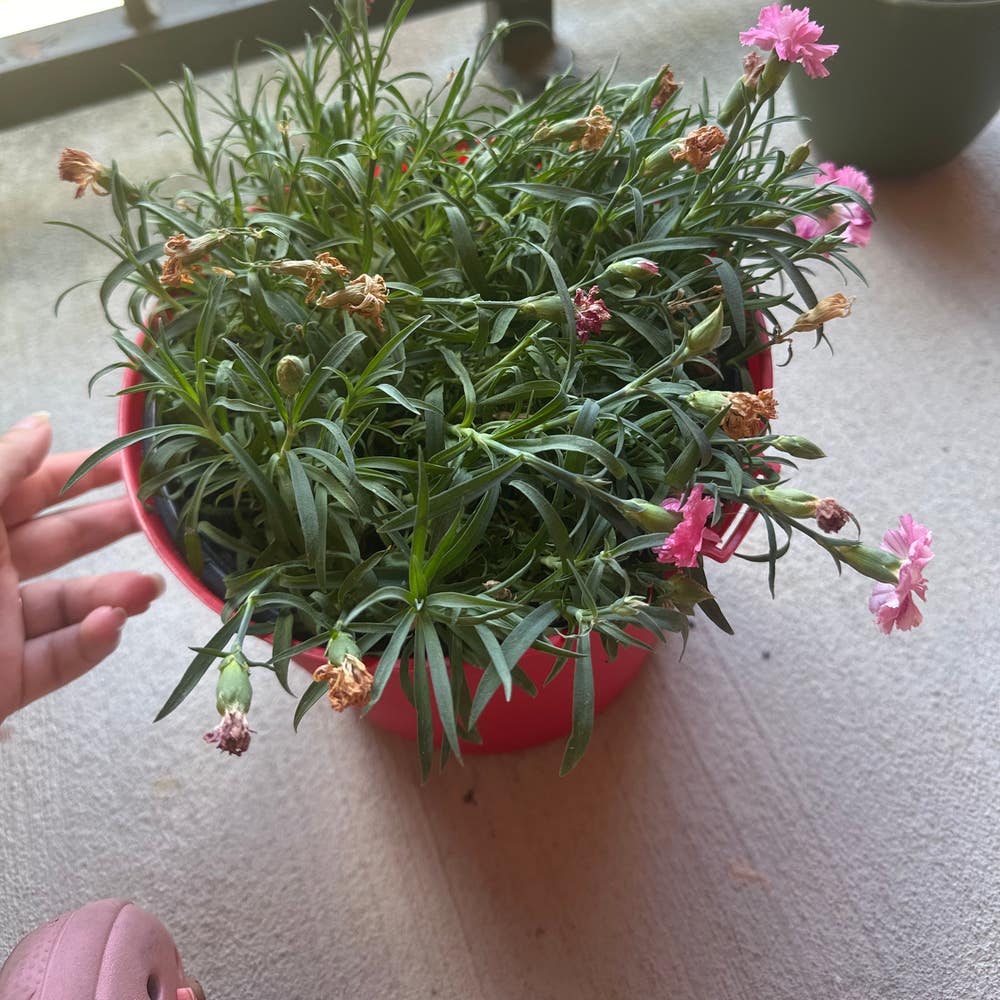
Regular pruning, particularly deadheading, encourages new blooms and keeps your carnations looking fresh. Fertilization with balanced nutrients during the growing season supports robust growth and vibrant flowers.
❄️ Seasonal Considerations
Winter care is essential; mulching and protecting from frost can safeguard your plants. As spring approaches, watch for signs of growth and be ready to start fertilizing to kickstart their blooming cycle.
🐛 Troubleshooting Common Issues
Identifying and managing common pests and diseases is vital for maintaining healthy carnations. Additionally, be aware of environmental stress signs, such as overwatering, drought, or nutrient deficiencies, to keep your plants thriving.
With a solid understanding of these aspects, you're well-equipped to cultivate beautiful, perennial carnations in your garden. Next, let’s explore the advantages of gardening with these resilient flowers.
⚠️ Safety First
This content is for general information and may contain errors, omissions, or outdated details. It is not medical, veterinary advice, or an endorsement of therapeutic claims.
Always consult a qualified healthcare professional before using any plant as food, medicine, or supplement.
Never eat any plant (or feed one to pets) without confirming its identity with at least two trusted sources.
If you suspect poisoning, call Poison Control (800) 222-1222, the Pet Poison Helpline (800) 213-6680, or your local emergency service immediately.
Spotted an error? Please report it here.
Celebrate the charm of perennial carnations 🌸 and let Greg help you thrive with tailored care reminders for vibrant blooms year after year!