5 Perfect Plant Partners for Carnation 🌸
Dianthus caryophyllus
By the Greg Editorial Team
Oct 10, 2024•5 min read
This article was created with the help of AI so we can cover more plants for you. May contain errors. See one? Report it here.
- 🌸 Lavender, Marigolds, and Chives enhance Carnations by repelling pests and adding beauty.
- 🐞 Companion plants create a protective environment, keeping harmful insects away from Carnations.
- 🌼 Layering plants of different heights boosts visual appeal and promotes healthy growth.
Top Companion Plants for Carnation
🌿 Plant 1: Lavender
Description and Benefits
Lavender thrives in well-drained soil and full sun, making it a perfect match for Carnations. Its pest-repellent properties deter aphids and spider mites, ensuring a healthier garden.
The aromatic qualities of lavender not only enhance the fragrance of your garden but also create a calming atmosphere. This plant is a sensory delight that complements the beauty of Carnations beautifully.
🌼 Plant 2: Marigold
Description and Benefits
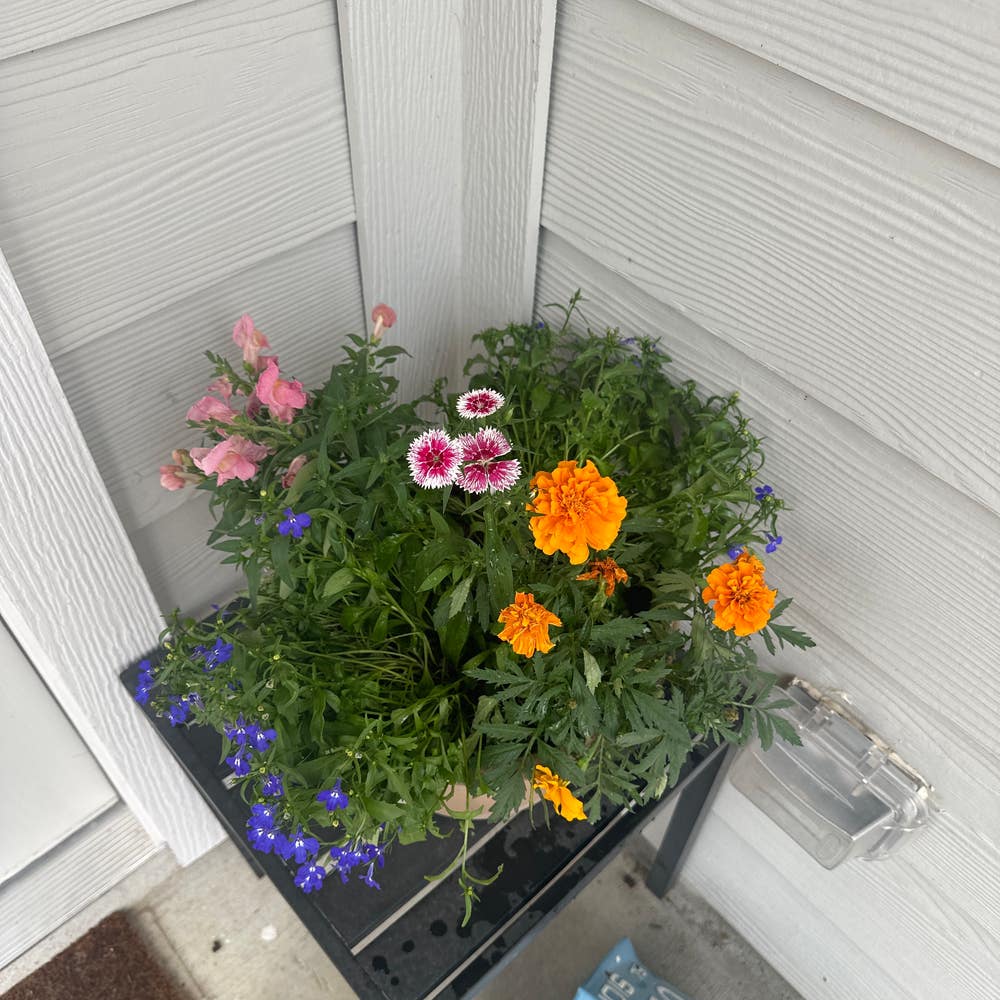
Marigolds are champions in pest management, effectively combating nematodes and aphids. Their bright colors add a vibrant touch that beautifully complements the blooms of Carnations.
These flowers are also low maintenance, making them ideal for beginner gardeners. With marigolds, you can enjoy a stunning garden without the stress of extensive care.
🌱 Plant 3: Chives
Description and Benefits
Chives flourish in similar soil and sunlight conditions as Carnations. Their pest-repellent properties help keep aphids and other harmful insects at bay.
Additionally, chives offer edible flowers, adding culinary value alongside their aesthetic appeal. This dual purpose makes them a fantastic companion plant.
🌸 Plant 4: Salvia
Description and Benefits
Salvia shares similar water and light requirements with Carnations, ensuring compatibility in your garden. It attracts pollinators, enhancing biodiversity and supporting a thriving ecosystem.
With a long blooming period, salvia extends the visual interest in your garden. This means more color and life throughout the growing season.
🐉 Plant 5: Snapdragons
Description and Benefits
Snapdragons thrive in conditions similar to those preferred by Carnations, providing vertical interest to your garden layout. They also help deter aphids and other pests, contributing to a healthier plant environment.
With a wide range of colors, snapdragons harmonize beautifully with Carnations. Their vibrant hues can elevate the overall aesthetic of your garden.
These companion plants not only enhance the beauty of Carnations but also contribute to a healthier garden ecosystem. Next, we’ll explore how these plants can help with pest management, ensuring your Carnations thrive.
Pest Management
🌱 How Companion Plants Help with Pest Control
Companion plants are nature's little guardians, offering a range of natural pest deterrents. By strategically planting certain species alongside your Carnations, you create a protective environment that helps keep harmful insects at bay.
These plants often emit scents or produce compounds that repel pests. For instance, Lavender not only attracts pollinators but also deters aphids and spider mites, making it a perfect partner for your Carnations.
🐜 Specific Pests Affecting Carnation
Aphids
Aphids are tiny, sap-sucking insects that can wreak havoc on your Carnations. They weaken the plants by draining vital nutrients, leading to stunted growth and yellowing leaves.
Spider Mites
Spider mites are another common threat, identifiable by fine webbing on the leaves. They cause significant damage by feeding on plant sap, resulting in speckled foliage and overall decline.
🌼 Companion Plants' Role in Deterring These Pests
Companion plants like Marigolds and Chives play a crucial role in pest management. Marigolds are particularly effective against nematodes and aphids, while Chives deter aphids and other harmful insects.
By incorporating these plants, you not only protect your Carnations but also enhance the overall health of your garden. This natural pest control strategy fosters a thriving ecosystem, allowing your plants to flourish together.
As you consider your garden layout, remember that the right companions can make all the difference in maintaining a healthy, vibrant space. Next, let’s explore how to create visual appeal with these plant partnerships.
Visual Appeal
🎨 Color Combinations and Aesthetics of Companion Plants
Pairing Carnations with the right companion plants can create stunning visual harmony in your garden. Consider using a palette that includes vibrant purples from Lavender, sunny yellows from Marigolds, and soft whites from Chives to complement the rich colors of Carnations.
Height and texture variations also play a crucial role in garden design. Taller plants like Snapdragons can provide vertical interest, while the bushy form of Salvia adds fullness. This layering creates depth and draws the eye throughout the garden.
🌼 Designing a Visually Appealing Garden with Carnation and Its Companions
When it comes to layout strategies, grouping plants in clusters can maximize impact. For instance, placing Marigolds and Chives around Carnations not only enhances aesthetics but also promotes healthy growth.
Don’t forget about seasonal interest! Planning for year-round beauty involves selecting companion plants that bloom at different times. This ensures your garden remains vibrant and engaging, no matter the season.
Plants to Avoid
List of Plants That Should Not Be Planted Near Carnation 🌼
When planning your garden, it's crucial to know which plants to steer clear of. Some plants, like Dahlias, Chrysanthemums, and Fennel, can compete for nutrients and space, negatively impacting your Carnations' growth.
Reasons for Avoidance 🚫
Competition for Nutrients
Certain plants can siphon off essential nutrients from the soil, leaving your Carnations struggling to thrive. This competition can stunt their growth and reduce their vibrant blooms.
Pest Attraction
Some plants, such as Nasturtiums and Zinnias, may attract pests that can harm your Carnations. Keeping these plants at a distance helps create a healthier environment for your flowers to flourish.
By avoiding these plants, you can ensure your Carnations receive the care they need to bloom beautifully. Next, let’s explore how companion plants can enhance pest management in your garden.
⚠️ Safety First
This content is for general information and may contain errors, omissions, or outdated details. It is not medical, veterinary advice, or an endorsement of therapeutic claims.
Always consult a qualified healthcare professional before using any plant as food, medicine, or supplement.
Never eat any plant (or feed one to pets) without confirming its identity with at least two trusted sources.
If you suspect poisoning, call Poison Control (800) 222-1222, the Pet Poison Helpline (800) 213-6680, or your local emergency service immediately.
Spotted an error? Please report it here.
Transform your garden into a vibrant sanctuary by pairing your Carnations with the right companions, and let Greg guide you with tailored care tips to ensure your blooms thrive beautifully all year long! 🌼 Nurture your garden with Greg!