🌸 4 Facts About Carnation Pollination
Dianthus caryophyllus
By the Greg Editorial Team
Oct 10, 2024•6 min read
This article was created with the help of AI so we can cover more plants for you. May contain errors. See one? Report it here.
- 🌸 Carnations self-pollinate but thrive with cross-pollination for genetic diversity.
- 🐝 Bees and butterflies are key pollinators, attracted by vibrant colors and sweet nectar.
- 🌿 Creating a pollinator-friendly garden boosts carnation reproduction and supports local ecosystems.
Flower Structure
Description of Anatomy 🌸
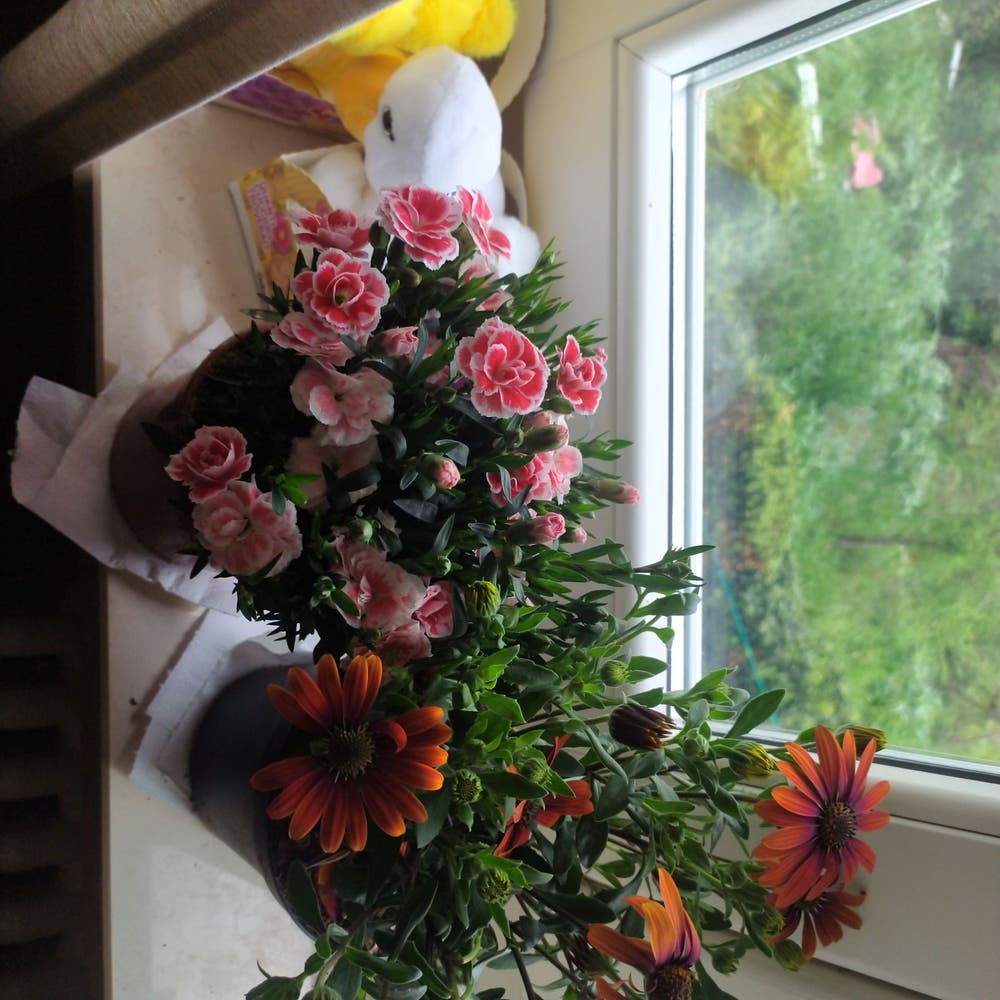
Carnations are a feast for the eyes, boasting fringed and colorful petals that draw in a variety of pollinators. These vibrant petals are complemented by green sepals, which serve as protective leaf-like structures for the flower bud.
The male reproductive parts, known as stamens, consist of anthers and filaments. Meanwhile, the female reproductive components, or pistils, include the ovary, style, and stigma, all crucial for the flower's reproductive success.
Role in Pollination 🐝
Carnations have a unique ability to self-pollinate, thanks to the close proximity of their stamens and pistils. This self-sufficiency is beneficial, but the flower's structure also encourages cross-pollination, which enhances genetic diversity and resilience.
By attracting various pollinators, carnations not only ensure their own reproduction but also contribute to a more diverse plant community. This interplay between self-pollination and cross-pollination is vital for the survival of the species.
As we delve deeper into the pollination process, we’ll explore how these beautiful flowers engage with their pollinators and the strategies they employ to thrive.
Pollination Process
Self-Pollination Mechanism 🌼
Carnations have a fascinating self-pollination mechanism. Pollen from the anthers conveniently falls onto the stigma of the same flower, ensuring reproduction can happen without external help.
While self-pollination is effective, exploring additional methods can significantly boost seed production and enhance genetic diversity. This diversity is crucial for the resilience of the species.
Primary Pollinators 🐝
Bees are the primary pollinators of carnations, drawn in by their vibrant colors and sweet nectar. These buzzing helpers play a vital role in transferring pollen from flower to flower.
Butterflies also contribute, attracted by the visual appeal and delightful fragrance of the blooms. Moths and hummingbirds, active during specific times, further assist in cross-pollination, enriching the genetic pool.
Attraction Strategies 🎨
Carnations employ several strategies to attract their pollinators. Their sweet fragrance acts as a powerful lure, enticing various species to visit.
Additionally, the bright color variety of carnations makes them stand out in any garden. This visual appeal not only attracts pollinators but also enhances the overall beauty of the landscape.
As we explore the natural pollination processes, it's essential to understand how these mechanisms contribute to the survival and diversity of carnation species.
Natural Pollination
🌬️ Pollen Transfer Mechanisms
When it comes to carnation pollination, wind plays a minimal role. Instead, these vibrant flowers primarily rely on animal pollinators to transfer pollen between blooms.
Insect activity is crucial here. Bees, butterflies, and other pollinators buzz from flower to flower, facilitating cross-pollination and ensuring genetic diversity.
🌱 Importance for Reproduction and Diversity
Successful pollination is vital for seed formation, which is essential for the continuation of the species. Without it, carnations—and many other plants—would struggle to thrive.
Cross-pollination not only enhances genetic diversity but also makes plants more resilient. This diversity helps them adapt to diseases and environmental changes, ensuring a robust ecosystem.
As we explore the next section, let’s dive into the fascinating world of hand pollination and how you can assist these beautiful flowers in their reproductive journey.
Hand Pollination
📝 Step-by-Step Instructions
Hand pollination can be a rewarding way to ensure your carnations thrive. Here’s how to do it effectively.
🔍 1. Identify Male and Female Flower Parts
Start by locating the stamens, which are the male parts of the flower, and the pistils, the female parts. Understanding this anatomy is crucial for successful pollination.
🌼 2. Collecting Pollen
Next, gently tap or brush the anthers with a small brush or cotton swab. This action will help you collect the pollen needed for the next step.
🔄 3. Transferring Pollen
Carefully apply the collected pollen to the stigma of the same flower or another flower. This transfer is essential for fertilization to occur.
⏰ 4. Timing
For the best results, perform this process in the morning when flowers are fully open. This timing maximizes the chances of successful pollination.
✅ 5. Ensuring Successful Fertilization
Finally, monitor the flowers for seed pod development. This is a clear indicator that your hand pollination efforts were successful.
Hand pollination not only boosts your gardening skills but also enhances the genetic diversity of your carnations. Ready to dive deeper into supporting pollinators? Let’s explore how to create a pollinator-friendly environment next!
Supporting Pollinators
🌼 Creating a Pollinator-Friendly Environment
To support pollinators, start by planting a variety of flowering plants. This diversity provides essential food sources for bees, butterflies, and other beneficial insects.
Avoid using pesticides that can harm these vital creatures. Instead, opt for natural pest control methods to keep your garden thriving without endangering pollinator populations.
🌱 Companion Plants
Companion planting can significantly enhance your garden's appeal to pollinators.
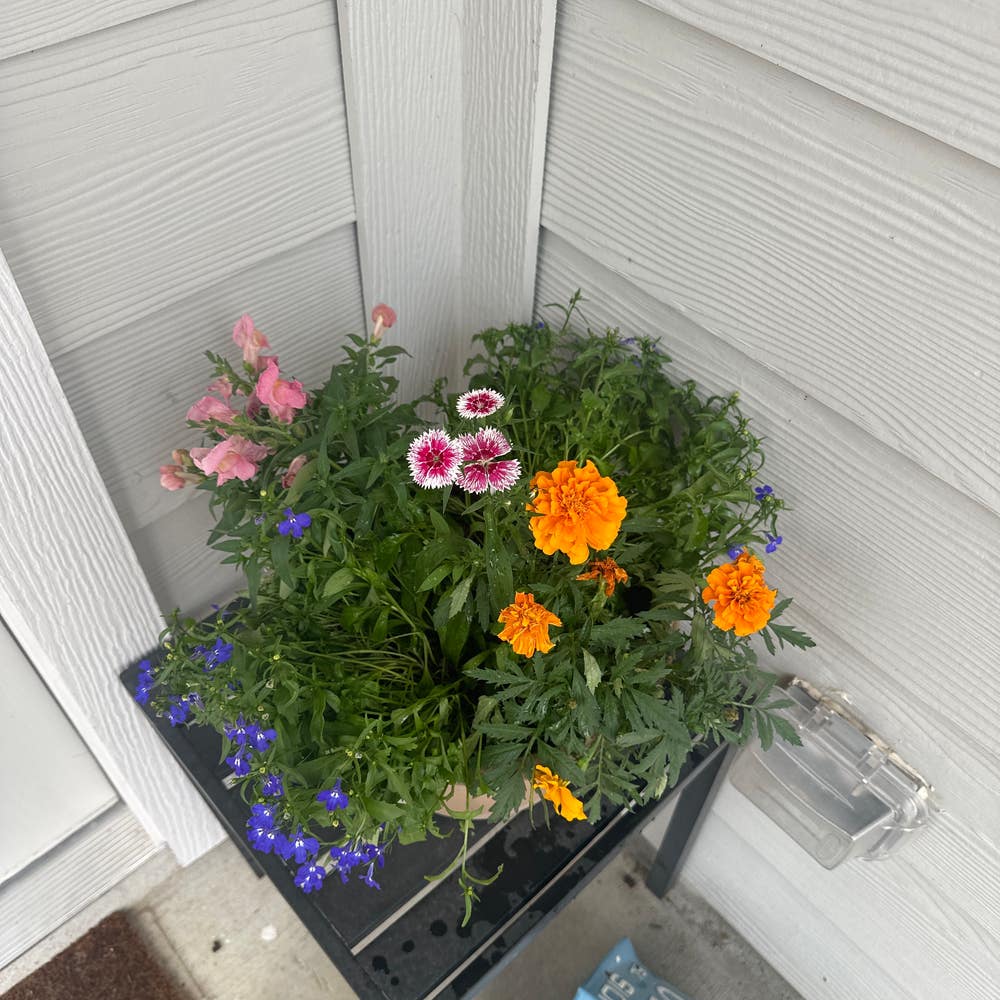
Marigolds: These vibrant flowers attract bees and other beneficial insects, making them a great addition to any garden.
Lavender: Known for its lovely scent, lavender draws in butterflies and bees, creating a lively atmosphere.
Borage: This plant provides nectar for a variety of pollinator species, ensuring a steady flow of activity in your garden.
By incorporating these plants, you not only beautify your space but also create a haven for pollinators.
With a little effort, you can foster a thriving ecosystem that benefits both your garden and the environment. Next, let’s explore the challenges pollinators face and how we can address them effectively.
Pollination Challenges
Common Obstacles 🌪️
Pollination faces several challenges that can hinder the process. Environmental factors, such as temperature fluctuations and humidity levels, can significantly impact pollinator activity.
Urbanization and habitat loss are also critical issues. These changes reduce pollinator populations, making it harder for plants to reproduce effectively.
Solutions 🌼
Fortunately, there are effective strategies to support pollinators. Planting native species that thrive in local conditions can create a more inviting environment for these essential creatures.
Creating habitats with shelter and water sources is another vital step. This not only attracts pollinators but also helps sustain them.
Timing your planting and flowering to coincide with peak pollinator activity seasons can maximize your garden's effectiveness. By aligning these cycles, you can enhance the chances of successful pollination.
With these solutions, you can contribute to a healthier ecosystem and ensure that your plants thrive. Next, let’s explore how to support pollinators in your garden.
⚠️ Safety First
This content is for general information and may contain errors, omissions, or outdated details. It is not medical, veterinary advice, or an endorsement of therapeutic claims.
Always consult a qualified healthcare professional before using any plant as food, medicine, or supplement.
Never eat any plant (or feed one to pets) without confirming its identity with at least two trusted sources.
If you suspect poisoning, call Poison Control (800) 222-1222, the Pet Poison Helpline (800) 213-6680, or your local emergency service immediately.
Spotted an error? Please report it here.
Dive into the world of carnation pollination and cultivate a vibrant garden 🌸 with Greg's tailored care reminders that help your flowers and their pollinators thrive together!