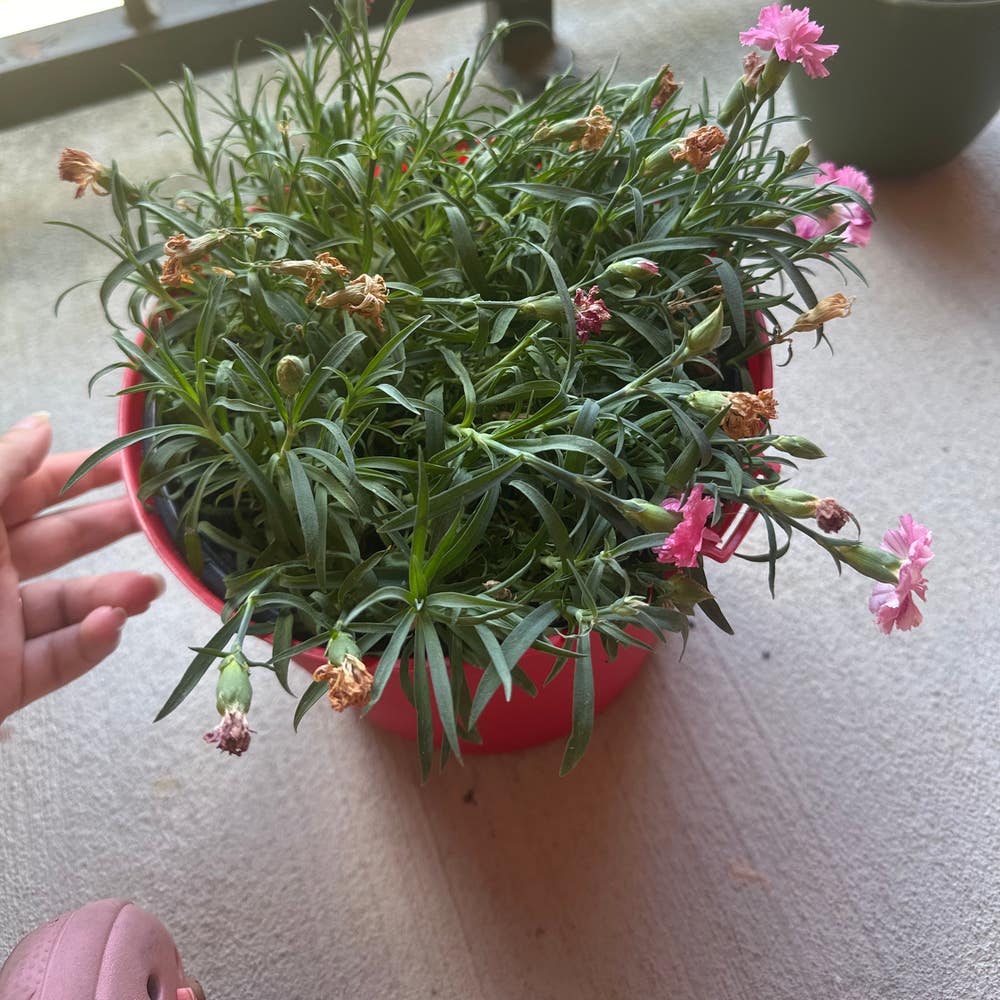
Choosing Fertilizer For My Sweet William
Dianthus caryophyllus
By the Greg Editorial Team
Jun 14, 2024•6 min read
This article was created with the help of AI so we can cover more plants for you. May contain errors. See one? Report it here.
- Balanced nutrients and alkaline soil ensure Sweet William's growth and blooms.
- Organic and synthetic fertilizers offer benefits; consider a hybrid approach.
- Monitor and adjust fertilization to prevent over-fertilization and promote vibrant blooms.
Identifying Sweet William's Fertilizer Requirements
💡 Key Nutrients for Optimal Growth and Flowering
Sweet William craves a balanced diet of nutrients to flourish. Nitrogen (N) is essential for leaf growth, while phosphorus (P) strengthens roots and boosts flowering. Potassium (K), the third musketeer of the nutrient trio, is vital for overall plant health. But let's not overlook the importance of secondary nutrients like calcium, magnesium, and sulfur. These play supporting roles in cellular function and photosynthesis, akin to a well-orchestrated symphony for plant vitality.
💧 The Role of Soil pH in Nutrient Absorption
Soil pH isn't just a number; it's a gateway for nutrient uptake. Sweet William prefers slightly alkaline soil, where the pH level allows for optimal absorption of nutrients. If the pH is off, it's like trying to fit a square peg in a round hole—nutrients can't be utilized effectively, and your plants will show it. Keep an eye on the pH and adjust accordingly to ensure your Sweet William isn't left nutrient-starved.

Organic vs. Synthetic Fertilizers for Sweet William
🌱 Pros of Organic Fertilizers
- Soil health: Organic fertilizers are like a spa treatment for soil, enriching it with organic matter and beneficial microorganisms.
- Low burn risk: They're gentle on Sweet William, reducing the risk of nutrient burn from overzealous application.
- Sustainability: Organic options are the eco-friendly choice, giving you green karma points.
🚫 Cons of Organic Fertilizers
- Slow release: Patience is key, as these fertilizers work at nature's pace, not yours.
- Bug buffet: Organic matter can sometimes roll out the welcome mat for pests.
- Cost: Your wallet might feel a bit lighter, as organic fertilizers can be pricier.
🌾 Pros of Synthetic Fertilizers
- Precision: Tailored NPK ratios mean you're the maestro, conducting Sweet William's growth with pinpoint accuracy.
- Speed: Synthetic fertilizers are the fast food of plant nutrition—quick and convenient.
- Availability: Easy to find, they're as ubiquitous as coffee shops in a city.
🚫 Cons of Synthetic Fertilizers
- Soil neglect: They're all about the plant, offering nothing to the soil's long-term health.
- Environmental toll: Synthetic fertilizers can be tough on Mother Nature, with potential for runoff and pollution.
- Application cycle: You'll be reapplying more often than you post on social media.
🌱 Hybrid Approach
- Best of both worlds: A hybrid fertilizer lets you hedge your bets, combining organic and synthetic benefits.
- Customizable: Like a build-your-own-burger, you can tailor hybrid fertilizers to Sweet William's specific needs.
Remember, whether you go organic, synthetic, or hybrid, it's all about what works best for you and your Sweet William. Keep it real and keep those blooms coming.

Fertilizing Sweet William During Plant Establishment
💪 Initial Fertilization: A Crucial Step
Planting your Sweet William is just the start; they need a nutrient boost to kick off their growth. Right after you tuck them into the soil, hit them with a quality fertilizer. Think of it as their welcome-to-the-world party, where the gifts are nitrogen (N), phosphorus (P), and potassium (K).
🌱 Choosing the Right Fertilizer
For these young'uns, organic options are like a home-cooked meal—gentle and full of goodness. Synthetic fertilizers, on the other hand, are like fast food—quick and potent. Both have their place, but go easy on the synthetics to avoid burning those tender roots.
📊 Application Rates: Not Too Much, Not Too Little
A complete NPK fertilizer is your best bet. Start with 100 ppm N and watch your Sweet William come to life. If you're a fan of slow-release fertilizers, stick to the same nitrogen level to prevent nutrient overload.
⏰ Frequency: Timing is Everything
Don't just set it and forget it. Fertilize once a month to keep the nutrients flowing. If you're using a slow-release type, you can sit back a bit—just make sure to follow the package instructions to the letter.
🌱 Soil and Watering: The Dynamic Duo
Sweet William loves rich soil and consistent moisture. Keep the roots happy with regular watering, but don't drown them—root rot is a real party pooper. Remember, good drainage is key.
🚫 A Note on Overzealous Fertilizing
More isn't always better. If you go overboard, you'll see the signs: slow growth, scorched leaves, a general look of "I've had too much of a good thing." If that happens, dial it back and give your plants a chance to recover.

Nutrient Management During the Blooming Phase
💡 Adjusting Fertilizer Composition
To ignite Sweet William's blooming potential, tweak the fertilizer mix. Less nitrogen, more phosphorus and potassium – that's the ticket. These nutrients are like the plant's cheer squad, urging on those vibrant blooms.
💡 Fertilizer Application Frequency
Moderation is key. Overzealous feeding leads to nutrient burn – a total party foul for your plant. Stick to a monthly ritual with a balanced liquid fertilizer at half strength. It's like a monthly subscription to plant health, minus the overcommitment.
💡 Quantity of Fertilizer
Less is more. Ensure the soil is moist before you fertilize to prevent root scorch. Think of it as pre-gaming with water before a night out – it's just smart planning.
💡 Monitoring and Adjustments
Keep an eye on your floral friends. If Sweet William starts throwing shade with yellow leaves or brown spots, dial back the fertilizer. It's about reading the room – or in this case, the plant's cues.
💡 Water Quality
Rainwater for the win. It's soft, slightly acidic, and free from the lime that can mess with soil pH. Using it is like giving your plants a spa day, every day.
Recognizing and Correcting Over-Fertilization in Sweet William
🚩 Identifying Signs of Nutrient Excess
Yellowing leaves at the base and browning leaf tips can scream over-fertilization in Sweet William. If you spot a white crust on the soil surface, that's the mineral buildup talking, not your plant thriving. Roots turning dark or black? That's a red flag.
🛠️ Steps to Take If Over-Fertilization Occurs
First, stop the fertilizer—your plant is on a nutrient overload. Gently remove the crusty mineral layer from the soil's surface, but don't go deeper than a ¼ inch to avoid plant stress. Next, leach the soil by watering to flush out excess nutrients—make sure your pot has drainage holes. If the damage is severe, consider repotting with fresh soil. Hold off on fertilizing and just use plain water for a while. Your Sweet William will thank you with recovery signs.
🛡️ Preventing Over-Fertilization
Moderation is key—too much love in the form of nutrients can be as harmful as neglect. Always read the fertilizer label and dilute accordingly. Sometimes, even the recommended amount is too much, so don't be afraid to use less. Remember, unlike in the wild, your Sweet William doesn't get natural rainfall to wash away excess nutrients. Keep a close eye on your plant's response after feeding, and adjust your approach as needed.
⚠️ Safety First
This content is for general information and may contain errors, omissions, or outdated details. It is not medical, veterinary advice, or an endorsement of therapeutic claims.
Always consult a qualified healthcare professional before using any plant as food, medicine, or supplement.
Never eat any plant (or feed one to pets) without confirming its identity with at least two trusted sources.
If you suspect poisoning, call Poison Control (800) 222-1222, the Pet Poison Helpline (800) 213-6680, or your local emergency service immediately.
Spotted an error? Please report it here.
Nurture your Sweet William to flourish 🌸 with Greg's tailored fertilization reminders, avoiding over-fertilization and ensuring just the right nutrient mix.