Why Are There Brown Spots on My Sweet William?
Dianthus caryophyllus
By the Greg Editorial Team
Jun 14, 2024•6 min read
This article was created with the help of AI so we can cover more plants for you. May contain errors. See one? Report it here.
- Spot patterns and textures hint at fungal, bacterial, or environmental causes.
- Cultural practices prevent spots: proper drainage, dry leaves, and air circulation.
- Integrated treatment: Use fungicides, bactericides, and adjust care to tackle brown spots.
Identifying Brown Spots on Sweet William Leaves
🎨 Spot Characteristics
Location matters. Brown spots may appear on mature leaves or the younger ones, possibly suggesting different causes. Are they centralized, at the tips, or scattered?
🔍 Size and Pattern
Size and quantity are telling. Large, isolated spots might indicate a different issue than numerous small ones. Patterns, like rings or halos, can hint at specific diseases.
👀 Spot Appearance
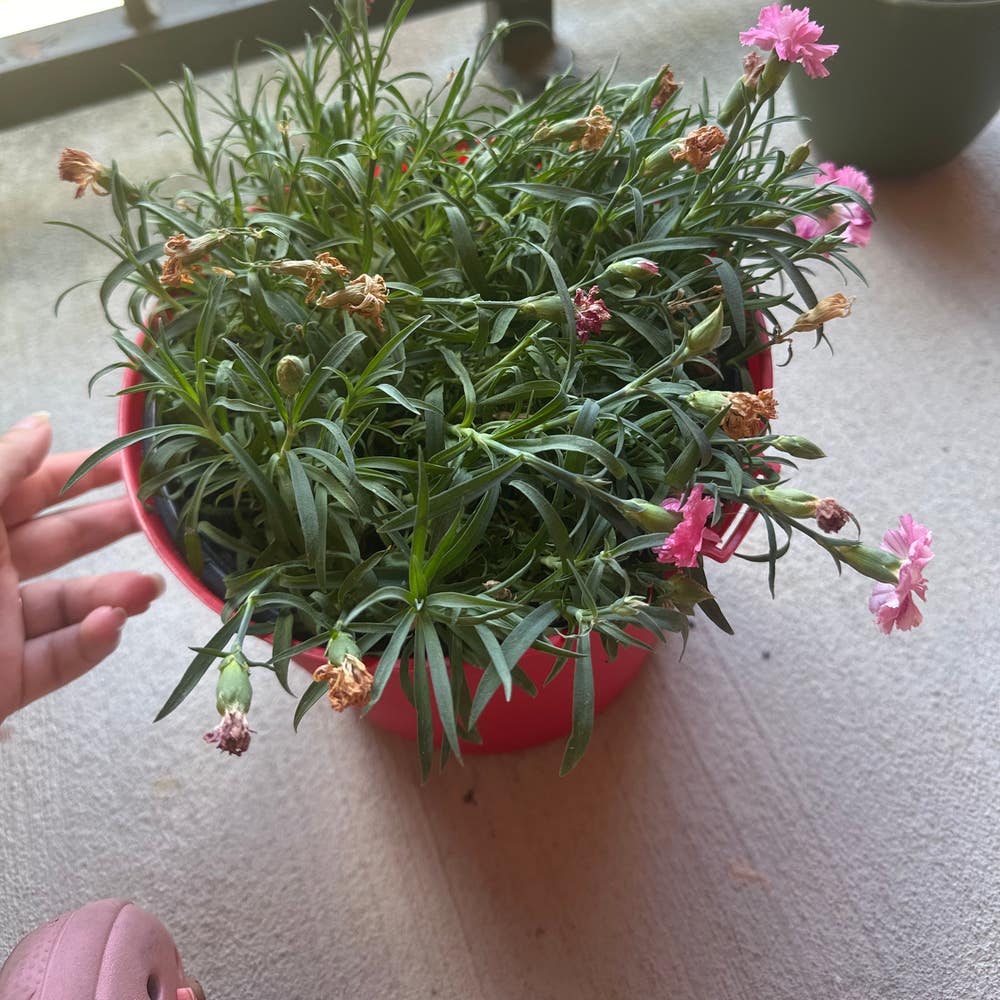
Texture and color vary. Are the spots dry, or do they look water-soaked? A water-soaked appearance could point to bacterial issues, while dry, brittle spots might suggest fungal problems or environmental stress.
🌿 Contextual Clues
Environmental factors can't be ignored. High humidity and water lingering on leaves often lead to brown spots. Conversely, dry conditions might cause sunburn-like symptoms.
🍃 Overall Leaf Health
Healthy Sweet William leaves should be robust and consistently colored. Any deviation—spots, blights, or changes in texture—warrants investigation into potential fungal infections, pest infestations, or environmental stressors.

Diagnosing the Cause of Brown Spots
In the quest to unmask the culprit behind brown spots on Sweet William leaves, keen observation is key.
🦠 Fungal vs. Bacterial Infections
Fungal infections often present with a red or yellow halo around the brown spots, a telltale sign of trouble. Bacterial spots, while similar in appearance, can spread through touch or water splashes. Both villains can lead to leaf perforation if ignored.
🌿 Environmental Stressors
Conversely, environmental factors like overwatering or excessive sunlight can also cause these unsightly blemishes. Overly moist roots often lead to a mushy demise, while too much sun can scorch leaves, leaving them dry and brown.
🕵️ The Process of Elimination
When in doubt, play detective. Eliminate causes by checking the plant's watering schedule and root health. Remember, variegated leaves are more prone to spotting due to their sensitivity.
👀 Visual Clues
Inspect leaves for patterns. Rusty patches may signal nutrient issues, while circular spots scream infection. Prune affected areas with sterilized scissors to prevent the spread.
🌞 Sunburn vs. Overwatering
Dry conditions and too much light can lead to brown spots with scorched tips, while a cold draft combined with wet feet might just be the root of all evil.
🎩 Final Tips
If you're still scratching your head, consider a lab test. It could be the ace up your sleeve in this botanical whodunit.

Integrated Treatment Strategies
When brown spots besiege your Sweet William, it's time to roll up your sleeves and get strategic. Combining cultural savvy with a tactical use of treatments is your best bet to restore plant health.
🌱 Cultural Practices
First off, let's talk cultural practices. These are your non-chemical defenses and they're crucial. Ensure your Sweet William has proper drainage—soggy soil is a no-go. Space your plants to promote air circulation; this isn't a crowded elevator, folks. And keep those leaves dry when watering—think precision, not a splash zone.
🦠 Fungicides and Bactericides
Now, onto the heavy artillery—fungicides and bactericides. If you're dealing with a fungal foe, consider a protectant like chlorothalonil or a systemic option like azoxystrobin. Got bacteria? Streptomycin is your friend here. Always read labels and follow the rules—this isn't the Wild West.
🌿 Organic Options
For the organically inclined, there are options that won't make Mother Nature cringe. Copper-based sprays can stop fungi in their tracks without harsh chemicals. And don't forget about biofungicides like Bacillus subtilis; they're like probiotics for your plants.
💊 Synthetic Solutions
When the going gets tough, the tough might need synthetic solutions. Tebuconazole with trifloxystrobin packs a punch for more severe cases. But remember, with great power comes great responsibility—use sparingly and smartly.
🛡️ Integrated Approach
It's all about balance. Combine these treatments with your cultural practices for an integrated approach. Keep an eye on your plants, and at the first sign of trouble, act fast. It's like a game of Whack-a-Mole, but with plant diseases—stay vigilant and you'll come out on top.

Alleviating Environmental Stress
Adjusting care practices is crucial for addressing overwatering, humidity, and poor air circulation, which can lead to brown spots on Sweet William leaves.
💦 Overwatering
Overwatering is a common misstep. Let the soil dry between waterings; Sweet William's roots need to breathe, not swim.
💧 Humidity Control
Humidity can be a friend or foe. Use pebble trays or humidifiers to maintain a comfortable moisture level. Grouping plants can create a beneficial microclimate.
💨 Air Circulation
Good airflow is key. Indoors, a gentle fan can simulate a breeze, discouraging fungal growth. Outdoors, ensure plants are spaced to allow natural air movement.
🌡️ Temperature and Light
Avoid extremes. Keep Sweet William away from direct heat sources and chilling drafts. Ensure the plant receives bright, indirect light for optimal health.
💦 Watering Practices
Water in the morning to allow leaves to dry throughout the day, reducing the risk of fungal diseases.
🕵️ Monitoring and Adjustment
Stay vigilant. Regularly check your Sweet William for signs of stress and adjust care routines accordingly.
Preventative Measures for Healthy Sweet William
Sweet William's charm is undeniable, but brown spots can quickly turn your floral romance sour. Let's ensure that love story stays sweet with some proactive matchmaking between your plants and their ideal environment.
💧 Watering Wisdom
Consistency is key. Overzealous watering can drown Sweet William's roots, while neglect can leave it parched and prone to spots. Use a wicking system or check the soil's top inch; if it's dry, it's time to water. Remember, less is more during the cooler months.
🌱 Soil and Nutrition Know-How
Rich, well-draining soil is like a gourmet meal for Sweet William. Mix in some quality fertilizer at planting and keep the buffet coming with monthly feedings. But don't overdo it—too much love in the form of fertilizer can scorch roots and leaves.
🌬️ Airflow and Sunlight
Good airflow keeps fungal parties at bay, and full sun encourages robust growth. Plant Sweet William where it won't be bullied for sunlight by taller green giants. Think of it as giving your plant its own spotlight.
👀 Monitoring and Maintenance
Keep a vigilant eye. Regular check-ups can catch brown spots before they become a full-blown plant epidemic. And if pests show up, a soapy water spritz can send them packing without the need for harsh chemicals.
🧹 Sanitation: A Clean Scene
Prune away any drama by snipping off affected leaves and keeping the soil surface clear of debris and weeds. It's like housekeeping for your garden—tidy space, tidy plant, tidy mind.
By following these steps, you're not just growing Sweet William; you're curating a botanical masterpiece free of unsightly blemishes.
⚠️ Safety First
This content is for general information and may contain errors, omissions, or outdated details. It is not medical, veterinary advice, or an endorsement of therapeutic claims.
Always consult a qualified healthcare professional before using any plant as food, medicine, or supplement.
Never eat any plant (or feed one to pets) without confirming its identity with at least two trusted sources.
If you suspect poisoning, call Poison Control (800) 222-1222, the Pet Poison Helpline (800) 213-6680, or your local emergency service immediately.
Spotted an error? Please report it here.
Uncover the mystery behind those brown spots on your Sweet William and prevent 🛡️ future outbreaks with Greg's tailored care plans and real-time advice from our plant-loving community.