Why Are the Leaves on My Sweet William Turning Yellow?
Dianthus caryophyllus
By the Greg Editorial Team
Jun 14, 2024•7 min read
This article was created with the help of AI so we can cover more plants for you. May contain errors. See one? Report it here.
- Over/underwatering and nutrient deficits cause yellow Sweet William leaves.
- Soil moisture meters and amendments help optimize watering and soil health.
- Regular inspections and balanced fertilization prevent and address yellowing.
Diagnosing Yellow Leaves in Sweet William
Yellowing leaves on your Sweet William can be like a cryptic message from the plant world, signaling distress. Let's decode it.
💧 Overwatering Symptoms
Soggy soil and leaves that feel more like soaked sponges than vibrant foliage are tell-tale signs of overwatering. Yellow leaves may appear fat and swollen, sometimes even wilting under their own waterlogged weight. If the leaves are starting to look like they've had one too many drinks, it's time to ease off the watering can.
🏜️ Underwatering Symptoms
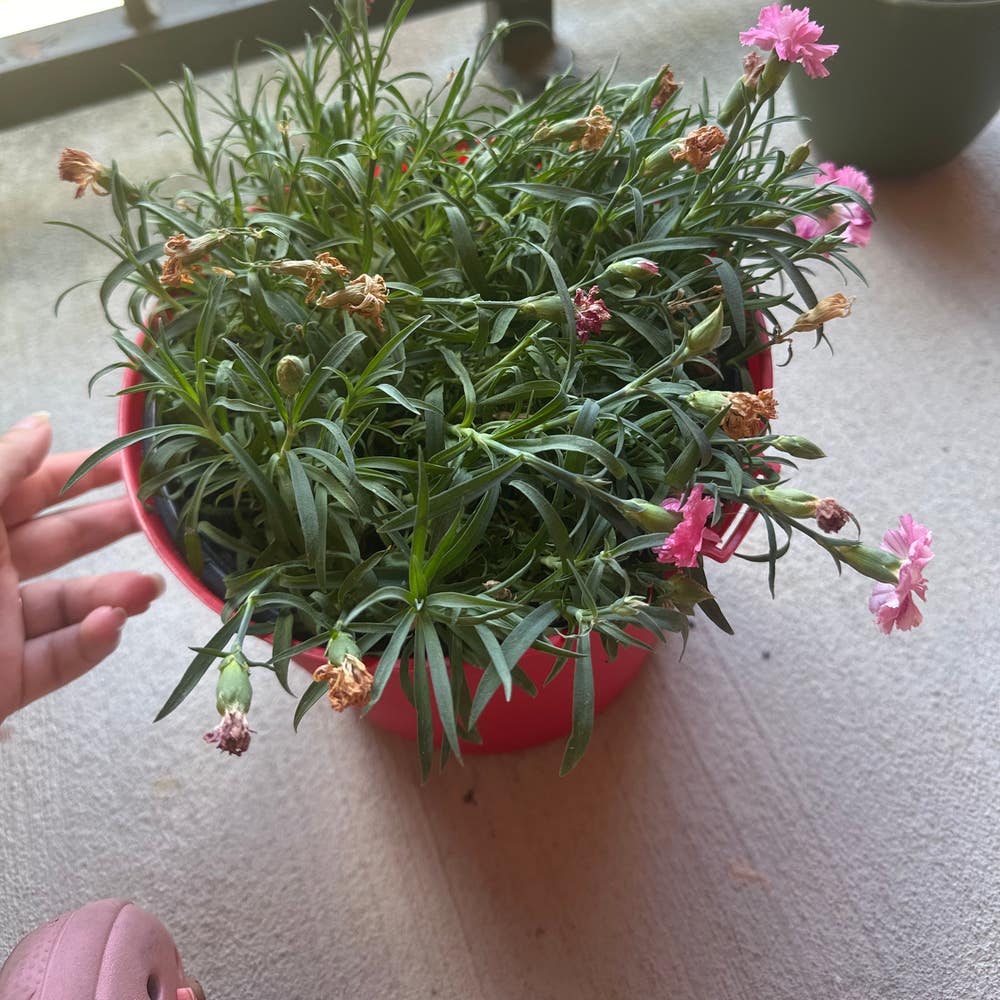
Conversely, leaves that are yellow, crispy, and as dry as a stand-up comedian's wit scream underwatering. The soil will feel as parched as a desert, and the plant's growth might be stunted, like a teenager who's just been grounded.
🍽️ Nutrient Deficiency Clues
Yellow leaves can also be the plant's SOS for nutrients. Nitrogen deficiency often shows up as yellowing, starting with the older, lower leaves. Iron or magnesium shortages can also turn leaves yellow while veins stay green, like highways on a faded map.
👆 The Finger Test
Forget high-tech gadgets; your finger is a surprisingly effective tool for soil moisture assessment. Stick it into the soil up to the first knuckle—if it's damp, hold off on watering; if it's dry, it's time to hydrate.
⚖️ The Weight Check
Lift your pot. A lightweight pot is often an underwatered pot. Remember this simple gym-free workout: check the weight after watering and then again a few days later. It's a no-sweat way to gauge water needs.
👀 Visual Inspection
Don't just glance; inspect. Look for yellow or brown leaves, tips, and margins. If the roots are turning brown or black, you might be dealing with overwatering or over-fertilization. And if the plant is wilting despite damp soil, you've got a clue worth investigating further.
Armed with these insights, you're well on your way to restoring the lush green glory of your Sweet William. Remember, plants don't come with troubleshooting manuals, but with a bit of detective work, you can crack the case of the yellowing leaves.

Addressing Water-Related Issues
💧 Adjusting Watering Practices
Overwatering can suffocate your Sweet William's roots, leading to yellow leaves. To fix this, let the soil dry out slightly between waterings. If the pot lacks drainage, it's time for an upgrade. Mix in perlite, vermiculite, or sand to improve soil drainage.
Conversely, underwatering leaves the plant parched. Increase watering frequency, ensuring the soil is moist but not soggy. Incorporate coco coir or peat moss to help the soil retain moisture.
🌡️ Checking Soil Moisture
Don't rely on a schedule; your Sweet William doesn't wear a watch. Before watering, do the finger test: plunge your finger a few centimeters into the soil. If it's dry, it's time to hydrate.
Alternatively, invest in a soil moisture meter for a more scientific approach. This gadget will tell you exactly when your plant is thirsty, preventing guesswork and overzealous watering.
Remember, your Sweet William is not auditioning for a role as an aquatic plant. Keep it hydrated, but not drenched, for a happy, yellow-free existence.

Correcting Nutrient Deficiencies
Sweet William's yellow leaves might be screaming for nutrients. Let's silence their cries.
🌱 Selecting the Right Fertilizer
Nitrogen, iron, and magnesium are the usual suspects when it comes to yellow leaves. A balanced fertilizer with an appropriate N-P-K ratio is your go-to. But remember, it's a fine line between nourishment and overkill. Overfertilization is a no-go.
🌿 Soil Amendments for Better Health
Soil tests aren't just for the pros. They're your roadmap to nutrient nirvana. Low on iron? Chelated iron to the rescue. Magnesium more your issue? Epsom salts have got your back. And for nitrogen, think manure or a good old nitrate-based fertilizer.
💦 Foliar Sprays: A Quick Fix
When your Sweet William needs a fast food fix, foliar sprays are like drive-thrus for plants. They deliver water-soluble nutrients straight to the foliage. But don't swap out soil health for a quick solution. It's a band-aid, not a cure.
🌿 Organic Options
If synthetic fertilizers aren't your jam, organic amendments are your soul food. Compost, peat moss, and aged manure enrich the soil, making it a buffet of nutrients for your plants. It's the slow food movement for gardeners.
📊 Monitoring and Adjusting
Keep an eye out. If the yellowing persists, you might need to tweak your approach. Too much phosphorus can lock out iron, so balance is key. And always, always follow the directions on your fertilizer package. They're there for a reason.
🌟 Pro Tip
Green leaves are your applause for a job well done. If they're still yellow, the show's not over. Keep testing, keep adjusting. Your Sweet William will thank you with vibrant growth.

Combating Pest Infestations
🐞 Identifying Common Pests
Aphids and spider mites are the usual suspects when Sweet William leaves turn yellow. Aphids, those tiny, sap-sucking villains, often cluster on stems and under leaves, leaving behind a sticky residue called honeydew. Spider mites, on the other hand, are microscopic marauders that weave fine webs on your plants and cause leaves to yellow and drop.
🚫 Pest Control Methods
Immediate action is crucial. For aphids, a strong blast of water can dislodge these pests. Introducing natural predators like ladybugs can turn the tide in your favor. For spider mites, miticides or insecticidal soaps can be effective, but ensure you target the undersides of leaves where they lurk. Regularly inspecting your plants and cleaning any fallen debris can prevent future infestations. Remember, a healthy Sweet William is less susceptible to pest attacks, so keep those nutrients coming and water wisely.
Proactive Strategies to Prevent Yellowing Leaves
👩⚕️ Routine Plant Inspection and Care
Regular check-ups are the cornerstone of plant health. Imagine you're a plant doctor—every leaf, stem, and root matters. Inspect your Sweet William like you're looking for Waldo; spot the early signs of distress and act before the yellowing saga begins.
🐜 Natural Deterrents and Good Gardening Practices
Pests despise cleanliness as much as teenagers hate chores. Keep your plant's leaves as spotless as a new pin with a gentle wipe-down. Embrace natural pest control like neem oil; it's like giving bugs an eviction notice. And remember, the right amount of water and light is like a plant's dream date—get it wrong, and you're ghosted by green leaves turning yellow.
🌱 Soil and Water Wisdom
Well-draining soil isn't just a preference; it's a necessity. Think of it as the plant's favorite pair of jeans—comfortable and just the right fit. Watering should be as consistent as your morning coffee ritual. Moist but not soggy is the mantra—overdo it, and you'll drown more than just your sorrows.
✂️ Pruning: Less Is More
Get snippy with dead or yellow leaves. It's not a plant's mid-life crisis haircut; it's a strategic move to redirect energy to the healthy greens. Use clean tools to prevent spreading any silent-but-deadly plant diseases.
🌿 Fertilizing: Not Too Little, Not Too Much
Balanced fertilization is like a well-rounded diet for your Sweet William. It's the difference between fast food and a home-cooked meal. But don't overdo it—too much fertilizer is like binge-eating junk food; it does more harm than good.
By sticking to these proactive strategies, you're not just preventing yellow leaves; you're setting the stage for your Sweet William to put on a show-stopping floral performance.
⚠️ Safety First
This content is for general information and may contain errors, omissions, or outdated details. It is not medical, veterinary advice, or an endorsement of therapeutic claims.
Always consult a qualified healthcare professional before using any plant as food, medicine, or supplement.
Never eat any plant (or feed one to pets) without confirming its identity with at least two trusted sources.
If you suspect poisoning, call Poison Control (800) 222-1222, the Pet Poison Helpline (800) 213-6680, or your local emergency service immediately.
Spotted an error? Please report it here.
Banish yellow leaves from your Sweet William with Greg's moisture meter and custom fertilization tips 🌿, ensuring your blooms stay brilliantly vibrant.