💧 Why Are My Sweet William Leaves Droopy?
Dianthus caryophyllus
By the Greg Editorial Team
Jun 14, 2024•5 min read
This article was created with the help of AI so we can cover more plants for you. May contain errors. See one? Report it here.
- Droopy leaves signal distress; act quickly to assess water, soil, and pests.
- Under/overwatering and soil issues are common culprits; adjust care accordingly.
- Preventive care is key; establish routines to maintain Sweet William health.
Recognizing the Signs of Droopy Leaves in Sweet William
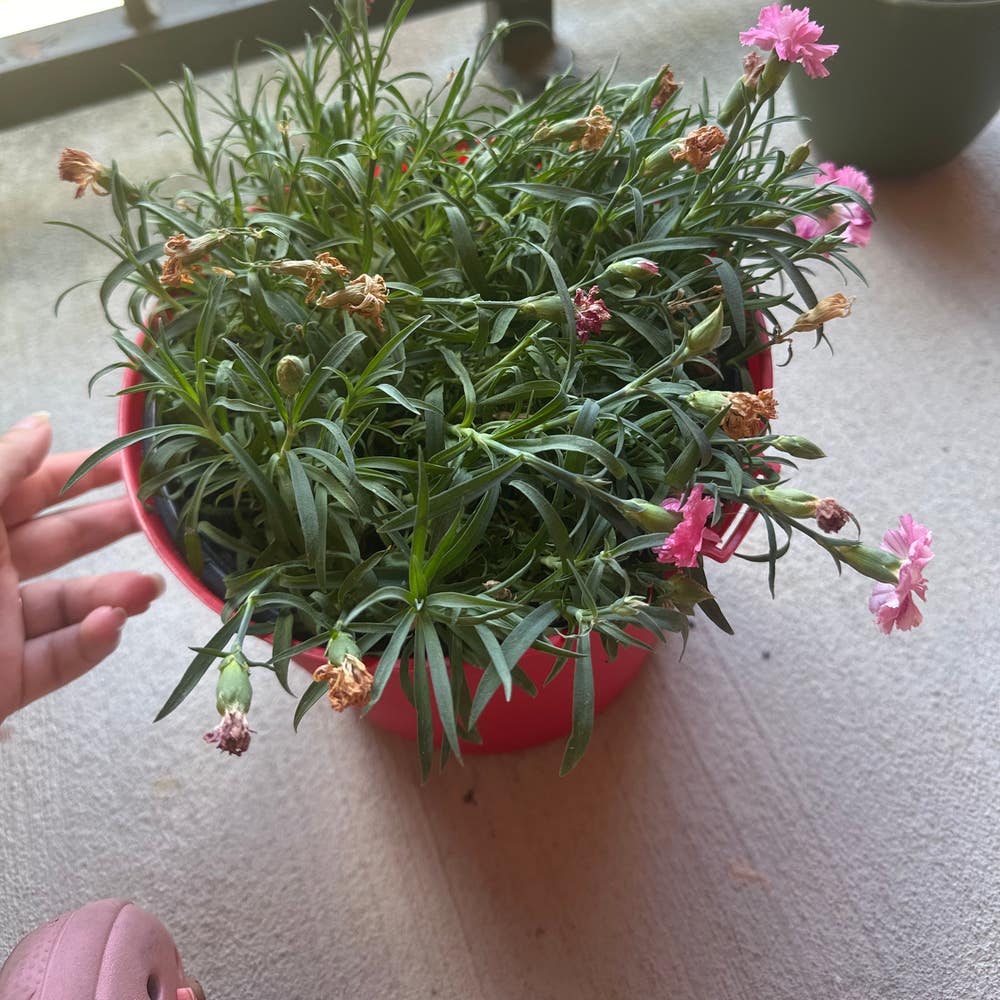
Sweet William's leaves drooping? Time to play plant detective. Here's the lowdown: if your Sweet William is looking more like a weeping willow, you've got a problem. Healthy Sweet William leaves stand proud and perky. Droopy leaves are the plant's version of a white flag.
🕵️♂️ Appearance of Droopy Leaves
Visual cues are key. Droopy leaves hang down, losing their usual upright and vibrant stance. They might look like they're trying to escape the pot, which, let's face it, is a sign that all's not well in their world.
🔄 Differentiating Between Natural Behavior and Distress
Sweet William has a flair for the dramatic, but droopy leaves are over the top, even for them. Natural behavior includes a slight lean, but full-on droopiness is a cry for help. It's like the difference between lounging and collapsing after a marathon.
🚨 Signs of Distress
When leaves resemble a sad umbrella on a windy day, it's time to take action. Stems buckling under the weight of their own leaves? That's not just bad posture; it's a structural SOS. And if the leaves look like they've given up on life, you should probably step in before they sign their DNR.
🚑 Immediate Actions
Don't just stand there; get to work! Check for pests, probe for soft spots, and reassess the lighting situation. It's like triage for plants—address the most critical issues first and give that Sweet William a fighting chance.

Diagnosing the Cause of Droopiness
🏜️ Underwatering vs. Overwatering: Signs and Solutions
Underwatering turns Sweet William leaves droopier than a Monday morning mood. The soil feels bone-dry, and the plant's growth might stall like a bad first date. To correct this, introduce a more consistent watering schedule. Your plant's thirst varies with the seasons, so adjust accordingly.
Conversely, overwatering is like giving your plants too much of a good thing. Signs include leaves as limp as overcooked noodles and stems squishier than a soaked sponge. If the soil stays soggy, it's time to cut back. Ensure the pot has drainage holes and let the top inch of soil dry out before the next watering.
💡 Soil and Drainage Problems: The Fix
If your Sweet William's soil is more compacted than a crowded elevator, it's a red flag. Poor drainage is like putting your plant's roots in a straitjacket. Mix in some perlite or sand to loosen up the soil, or add organic matter to give it a nutrient boost. Think of it as upgrading your plant's diet from fast food to gourmet.
Remember, watering is an art form—balance is key. Keep the soil moist but not waterlogged, like a perfectly wrung-out sponge. Your Sweet William will show its gratitude with vibrant growth, making all the effort worth it.

Addressing Environmental Stressors
🌡️ Temperature and Light
Sweet William thrives when the temperature and light conditions are just right. Avoid placing your plant in areas where temperatures can plummet or soar, as this can lead to droopy leaves. Aim for a consistent temperature range, steering clear of the cold drafts and the scorching midday sun.
🛡️ Protecting from Extreme Conditions
Shielding your Sweet William from environmental extremes is key. During a heatwave, provide some shade and increase watering slightly—but don't overdo it. In cold snaps, consider moving your plant to a warmer spot or using frost cloths as a cozy blanket. Remember, it's about creating a stable environment where your Sweet William can flourish without the stress of Mother Nature's mood swings.

Integrated Care Strategies for Droopy Leaves
💧 Combining Watering, Soil, and Environmental Adjustments
In the quest to revive droopy leaves, think of your Sweet William as a VIP at an exclusive club. Watering is the bouncer—too strict, and the party's dead; too lenient, and it's chaos. Aim for that sweet spot where the soil's moisture is just right. Use the finger test or a moisture meter to avoid the extremes of a desert or a swamp.
Soil quality is the club's ambiance. It should be inviting and breathable. If your soil is more compacted than a packed concert, it's time to remix. Add organic matter or perlite to improve drainage and aeration. This ensures the roots aren't suffocating or drowning.
🚫 Preventive Practices
Monitoring your plant is like being a hawk-eyed security guard. Spot a leaf looking a bit off-color or less perky? Time to tweak your care routine. Adjust for the seasons, because like your wardrobe, your plant's needs change with the weather.
Preventive care is the ultimate strategy. Establish a routine that includes regular checks for soil moisture, light conditions, and the overall well-being of your Sweet William. It's like having a standing coffee date with your plant—regular and reassuring.
Remember, a little support goes a long way. For those top-heavy Sweet Williams, consider staking. It's like offering a crutch to a friend with a sprained ankle—simple but effective.
By integrating these care strategies, you're not just fixing a problem, you're setting the stage for your Sweet William to thrive. Keep the soil fertile, the water balanced, and the environment stable, and watch your plant strut its stuff with confidence.
⚠️ Safety First
This content is for general information and may contain errors, omissions, or outdated details. It is not medical, veterinary advice, or an endorsement of therapeutic claims.
Always consult a qualified healthcare professional before using any plant as food, medicine, or supplement.
Never eat any plant (or feed one to pets) without confirming its identity with at least two trusted sources.
If you suspect poisoning, call Poison Control (800) 222-1222, the Pet Poison Helpline (800) 213-6680, or your local emergency service immediately.
Spotted an error? Please report it here.
Ensure your Sweet William stands tall and vigorous 🌿 by leveraging Greg's personalized care plans and environmental monitoring for droop-free leaves.