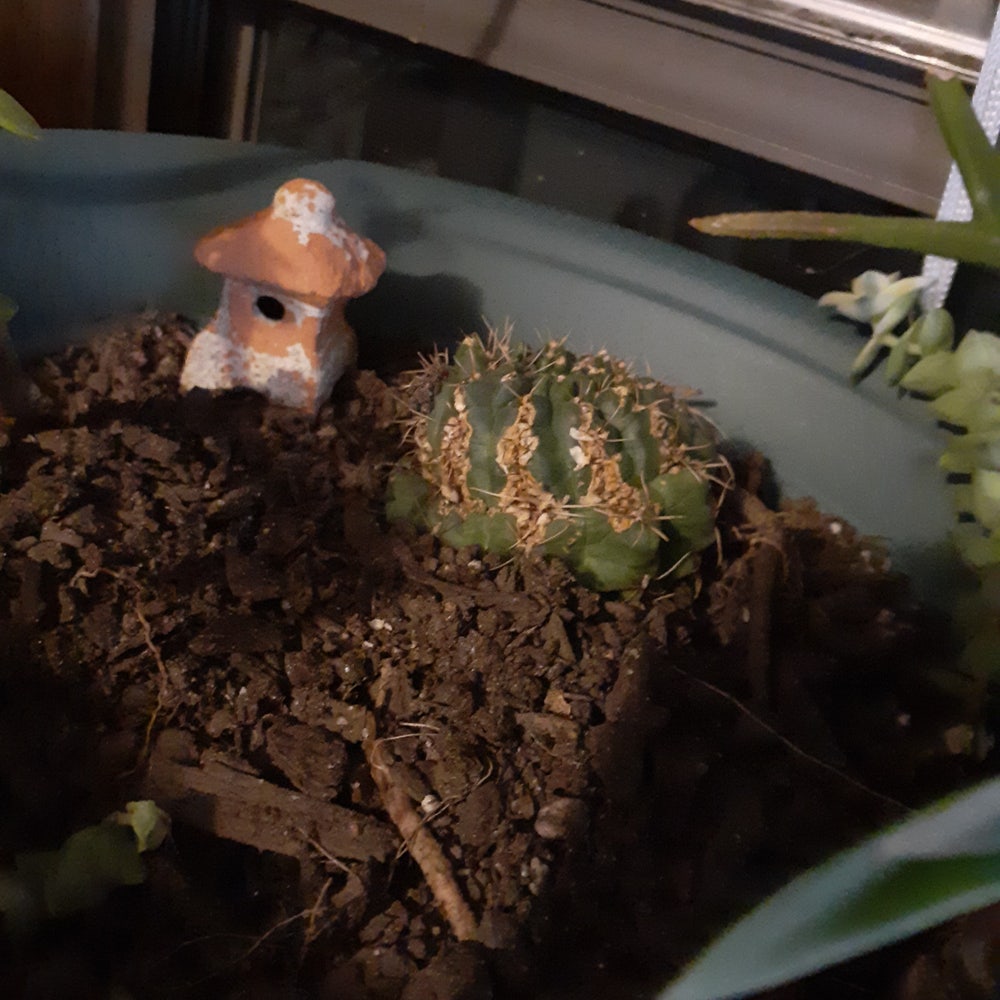
How to Propagate Your Echinofossulocactus palmillas
Stenocactus nova 'Palmillas'
By the Greg Editorial Team
Feb 29, 2024•4 min read
This article was created with the help of AI so we can cover more plants for you. May contain errors. See one? Report it here.
Propagate your cactus 🌵 army with these fail-proof Echinofossulocactus palmillas techniques!
- Seed to Cactus: Use well-draining mix, cover lightly, warm spot for germination.
- Offsets & Stem Cuttings: Spot, separate, and plant with care for new growth.
- Grafting Magic: Sterilize, align cambiums, secure for resilient, intriguing plants.
Kickstarting New Life: Seed Propagation
🌵 Collecting the Spiky Seeds
Harvesting seeds from your Echinofossulocactus palmillas is straightforward. Wait for the fruit to dry on the plant, then pluck it with care. Split open the desiccated fruit to access the seeds. Cleanliness is crucial; ensure seeds are free of pulp and plant debris.
🌵 Sowing Your Future Cacti
For sowing, use a well-draining cactus mix. Sprinkle the seeds on the surface and cover them lightly with soil. Moisture is essential—water gently to keep the seeds in place. A warm spot with indirect sunlight sets the stage for germination.
🌵 Germination Station
Creating the right environment is key. Consistency in warmth and moisture without waterlogging is the golden rule. Consider covering the pot with plastic wrap to maintain humidity. Patience is a virtue here; germination can be a waiting game, but the reward is worth it.
Budding Babies: Propagating from Offsets
🌱 Spotting and Separating Offsets
In the quest for new growth, the Echinofossulocactus palmillas offers up its offsets like a plant's version of a trust fund. Look for these plump little clones hugging the mother plant's base. They should boast their own roots, a sign they're ready to strike out on their own. If they're clinging on like a stubborn price tag, a sterilized knife can help you negotiate their release. Once separated, give them a day to dry out—this is crucial to prevent rot and give them the best shot at solo living.
🌱 Planting Your Mini-Me's
When it's time to pot your offsets, think of it as setting up a nursery. You'll want a soil mix that drains faster than a sink with no stopper. Plant them shallow, just deep enough to stand without support. Water them like they're on a diet—sparingly and with purpose. Place them in a spot that gets indirect light, as direct sunlight is the equivalent of throwing them into a mosh pit before they've learned to dance.
Clone Wars: Stem Cutting Propagation
✂️ Snip and Dip: Taking Stem Cuttings
To propagate Echinofossulocactus palmillas through stem cuttings, select a healthy stem. Look for one that's free from any signs of stress or disease. With a sterilized sharp knife or pair of scissors, make a clean cut below a node. The angle of the cut should be 45 degrees to increase the surface area for rooting.
🌱 Rooting for Success
Once you've taken your cutting, let it dry out for a few days to form a callus. This step is crucial to prevent rot when you plant it. After the callus forms, plant the cutting in a well-draining soil mix, positioning it so that the node is just below the surface. Keep the soil moist but not waterlogged, and provide bright, indirect light. Patience is key; roots will develop in time, and soon you'll have a new Echinofossulocactus palmillas to enjoy.
Grafting: The Art of Cactus Fusion
🌵 Choosing Your Partners
Selecting the right rootstock and scion is crucial for successful grafting. For Echinofossulocactus palmillas, consider a robust rootstock like Hylocereus undatus or Echinopsis spachiana. These species offer a compatible vascular structure and are known for their vigorous growth, which supports the scion well. Ensure both the rootstock and scion are healthy and free from any signs of disease or stress.
🎲 The Grafting Gambit
Grafting Echinofossulocactus palmillas involves precision and patience. Here's a breakdown of the process:
- Sterilize your tools. A sharp blade or grafting knife is essential to make clean cuts.
- Cut the top of the rootstock, leaving a flat surface at least two to three inches above the soil.
- Choose a healthy scion segment, ensuring the cut ends of both scion and rootstock are of similar size.
- Place the scion onto the rootstock's wound, aligning their vascular cambiums.
- Secure them with rubber bands, ensuring the scion is firmly pressed against the rootstock.
- After about two weeks, the union should take hold. Remove the rubber bands once you observe growth.
Remember, grafting isn't just about sticking two cacti together; it's about creating a new plant that's more resilient and potentially more intriguing than its separate parts.
⚠️ Safety First
This content is for general information and may contain errors, omissions, or outdated details. It is not medical, veterinary advice, or an endorsement of therapeutic claims.
Always consult a qualified healthcare professional before using any plant as food, medicine, or supplement.
Never eat any plant (or feed one to pets) without confirming its identity with at least two trusted sources.
If you suspect poisoning, call Poison Control (800) 222-1222, the Pet Poison Helpline (800) 213-6680, or your local emergency service immediately.
Spotted an error? Please report it here.
Ensure your Echinofossulocactus palmillas seeds and cuttings thrive 🌱 with Greg's custom environment tracking and care reminders for each propagation method!