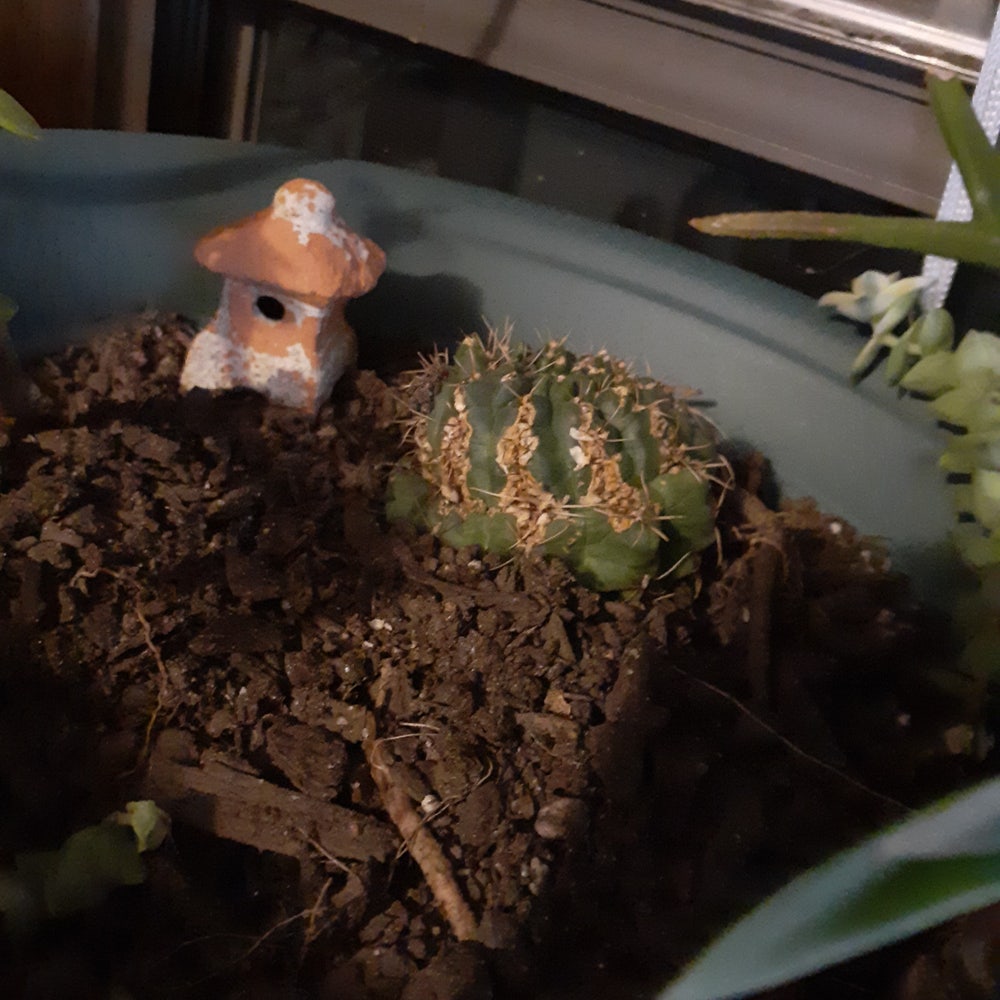
Why Are My Echinofossulocactus palmillas Leaves Droopy?
Stenocactus nova 'Palmillas'
By the Greg Editorial Team
Mar 08, 2024•3 min read
This article was created with the help of AI so we can cover more plants for you. May contain errors. See one? Report it here.
Transform your Echinofossulocactus from droopy 🍂 to perky 🌵 by tackling the real root issues!
- 💧 Underwatering? Crispy leaves need more frequent watering.
- 🌊 Overwatering? Wait for soil to dry, improve drainage.
- ☀️🌡️ Adjust environment for light, temperature, and seasonal changes.
When Thirst Strikes: Underwatering Woes
🏜️ Spotting the Signs of Thirst
Underwatering transforms Echinofossulocactus palmillas into a desert mirage. Crispy leaves and soil as dry as a stand-up comic's wit are your clues. The plant's leaves may curl inward, signaling a silent plea for hydration. When the topsoil feels like a barren moonscape to the touch, it's time to take action.
🚰 Quenching the Thirst
To rehydrate, think of watering as a gentle rain shower rather than a deluge. Begin by providing a thorough soak, ensuring water reaches the roots evenly. Wait for the top inch of soil to dry out before the next watering session; it should feel like a wrung-out sponge, not a bone-dry brick. Consistency is key—water regularly, and watch your Echinofossulocactus palmillas stand tall once more.
Drowning in Excess: The Overwatering Ordeal
🌊 Recognizing Overwatering Symptoms
Yellow leaves are your plant's white flag – a sign of surrender to excessive moisture. If the soil feels like a wet sponge, you've crossed the line from nurturing to waterboarding your plant. Roots should be breathing, not doing the backstroke. Encounter a mushy stem? That's the botanical version of a waterlogged boot.
🚣 Rescuing from the Flood
Overwatering is the plant equivalent of force-feeding; it's time to put the watering can on a diet. Adjust your watering habits by waiting for the soil to dry out before giving it another drink. Ensure proper drainage by checking that your pot isn't moonlighting as a swimming pool – those drainage holes aren't just for decoration. Prune any damaged roots or leaves to prevent a fungal free-for-all. Remember, your plant's not auditioning for a role in "Waterworld."
The Perils of Poor Drainage
🚰 How Compacted Soil Leads to Droopiness
Compacted soil is the silent bane of Echinofossulocactus palmillas, suffocating roots and leading to droopy leaves. It's like a clogged artery in the plant's vascular system, preventing essential water and air from circulating. To diagnose this issue, watch for water that lingers on the surface or drains at a snail's pace.
🚰 Engineering the Escape Route
To combat compacted soil, think of yourself as a plant architect designing an escape route for excess water. Mix in materials like perlite or coarse sand to loosen the soil, creating air pockets that facilitate drainage. When choosing a pot, prioritize one with holes that could rival a colander's drainage efficiency. Remember, roots need room to breathe, not swim. If you're dealing with a severe case, consider raised beds or enriched soil to elevate your plant's living conditions. And don't forget to clip any dead foliage to boost air circulation, keeping the soil's moisture level on the drier side.
Tailoring the Environment for Turgid Leaves
💡 Light, Temperature, and Humidity: The Trifecta for Healthy Leaves
Bright, indirect sunlight is the sweet spot for Echinofossulocactus palmillas. Positioning near a south-facing window strikes the right balance, avoiding the extremes of a desert sun. Rotate the plant to ensure even light exposure.
Consistent temperatures are crucial. Aim for a range that mimics the cactus's natural desert habitat—warm but not hot. Avoid temperature swings that can stress the plant and cause droopiness.
🏜️ The Balancing Act
Humidity should be moderate. Too much invites fungal issues, too little dehydrates. Use a humidifier or pebble tray to maintain stable levels.
Airflow is also key. Ensure good circulation without causing humidity to plummet—a gentle fan can do the trick.
Remember to adjust for seasonal shifts in light and temperature. Keep an eye on your cactus and tweak its environment as needed. It's less about perfection, more about stability and adjustment.
⚠️ Safety First
This content is for general information and may contain errors, omissions, or outdated details. It is not medical, veterinary advice, or an endorsement of therapeutic claims.
Always consult a qualified healthcare professional before using any plant as food, medicine, or supplement.
Never eat any plant (or feed one to pets) without confirming its identity with at least two trusted sources.
If you suspect poisoning, call Poison Control (800) 222-1222, the Pet Poison Helpline (800) 213-6680, or your local emergency service immediately.
Spotted an error? Please report it here.
Ensure your Echinofossulocactus palmillas is never too thirsty or too drowned by following Greg's custom watering plan 🌵, tailored to keep your spiky friend perky and healthy.