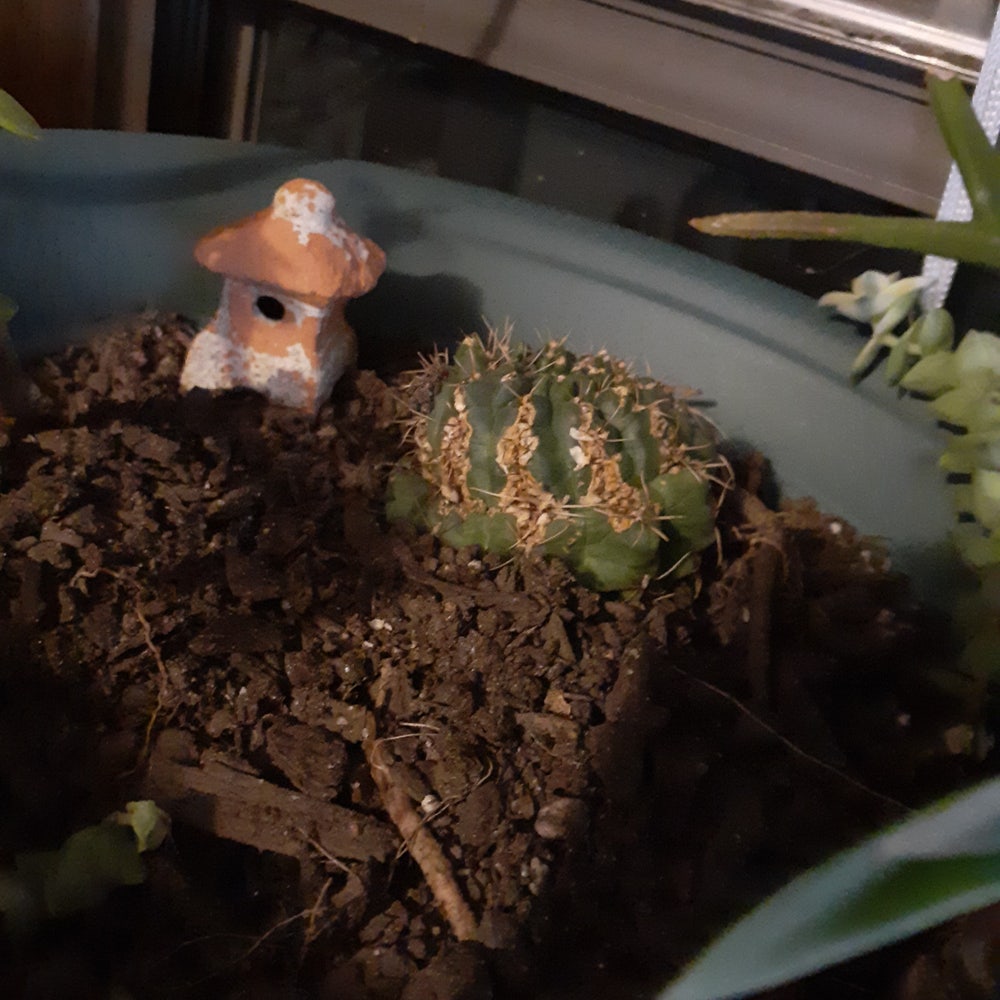
Why Are My Echinofossulocactus palmillas Leaves Dropping?
Stenocactus nova 'Palmillas'
By the Greg Editorial Team
Feb 29, 2024•4 min read
This article was created with the help of AI so we can cover more plants for you. May contain errors. See one? Report it here.
Halt your cactus's leaf drop 🌵 and restore its lush look with these essential care tips!
- Under/overwatering signs: Shriveled or yellow leaves indicate watering issues.
- Temperature consistency is key to prevent leaf drop from heat or cold stress.
- Light affects leaf stability: Adjust light conditions to prevent leaf loss.
When Thirsty Spines Lead to Trouble: Underwatering Woes
🚰 Spotting the Signs of Thirst
Shriveled leaves on your Echinofossulocactus palmillas are a red flag; they're not just being dramatic. If the leaves have the crispiness of autumn leaves, it's a clear sign of thirst. The soil pulling away from the pot's edge is another distress signal. Brown leaf tips are the plant's equivalent of a dry cough, and if growth is as slow as a snail, your cactus is begging for water.
🚰 Quenching the Thirst
To water your Echinofossulocactus palmillas correctly, wait for the top inch of soil to dry out, then quench thoroughly. Ensure excess water drains freely to avoid soggy soil. Your plant's pot should feel lighter before watering, but not as light as your conscience on a good day. Regular check-ups are non-negotiable—treat your cactus like a VIP, and it'll reward you with firm, healthy leaves.
Drowning in Excess: The Overwatering Ordeal
🚱 Recognizing the Red Flags
Yellow leaves may be the first SOS signal your Echinofossulocactus palmillas sends out when it's had too much to drink. If the base of the plant feels mushy, akin to overripe fruit, it's time to take action. A foul odor emanating from the soil is a clear sign that you've entered swamp territory, far from the cactus's preferred arid landscape.
Finding the Watering Sweet Spot
Achieving the right balance of soil moisture for your cactus is more art than science. Before you water, check that the top inch of soil is bone-dry; if it sticks to your finger, hold off on the H2O. Post-watering, observe your plant's reaction. A quick perk-up is a good sign, while continued droopiness signals distress. Remember, your cactus craves neglect—it's built for drought, not a deluge.
Too Hot, Too Cold: Weathering Temperature Stress
🌡️ Feeling the Heat (and the Chill)
Echinofossulocactus palmillas can succumb to temperature extremes, much like a tropical fish in a temperate tank. Too hot, and the leaves might crisp; too cold, and they droop, defeated by the chill.
Keeping the Climate Just Right
Consistency is the cactus's middle name when it comes to temperature. Aim for a stable environment, steering clear of the drama that drafts and direct heat sources bring to the table.
🚫 Avoiding Temperature Extremes
Keep your spiky friend away from the whims of open windows and the scorch of radiators. Think of these spots as the forbidden zones, where temperature swings are as welcome as a hiccup in a speech.
🛠️ Tools for Temperature Management
A thermometer is your backstage pass to understanding the microclimate of your cactus. For those who love gadgets, digital sensors can track temperature trends, keeping you one step ahead of any potential plant pouting.
🚨 Identifying Signs of Temperature Distress
Wilting, discoloration, and stunted growth are the cactus's way of waving a white flag. If your plant looks more limp than a week-old salad, it's time to reassess its living quarters.
🛠️ Quick Fixes for Temperature Trauma
When the heat is on, shade is your cactus's best ally. Conversely, during a cold snap, consider a cozy insulation strategy for the pot. Remember, abrupt temperature shifts are as unwelcome as spoilers in a movie climax.
A Balancing Act: Light Exposure and Leaf Retention
💡 Reading the Leaves for Light Levels
Echinofossulocactus palmillas communicates its light preferences through its leaves. Too little light, and the leaves may drop, signaling a plea for more lumens. Conversely, leaves that are sunburnt or bleached indicate a cry for respite from excessive rays.
🛡️ Lighting the Way to Leafy Bliss
Adjusting light conditions is a preventive measure against leaf loss. Start by placing your cactus in bright, indirect sunlight. If you notice signs of light stress, such as yellowing or browning, it's time to reassess your plant's position. Rotate the plant periodically to promote even growth and avoid the dreaded one-sided leaf drop. Remember, a light meter can be invaluable in finding that sweet spot where your cactus thrives without the risk of scorching or etiolation.
⚠️ Safety First
This content is for general information and may contain errors, omissions, or outdated details. It is not medical, veterinary advice, or an endorsement of therapeutic claims.
Always consult a qualified healthcare professional before using any plant as food, medicine, or supplement.
Never eat any plant (or feed one to pets) without confirming its identity with at least two trusted sources.
If you suspect poisoning, call Poison Control (800) 222-1222, the Pet Poison Helpline (800) 213-6680, or your local emergency service immediately.
Spotted an error? Please report it here.
Keep your Echinofossulocactus palmillas perky 🌵 by using Greg to monitor its watering and temperature needs, avoiding the common pitfalls of leaf drop.