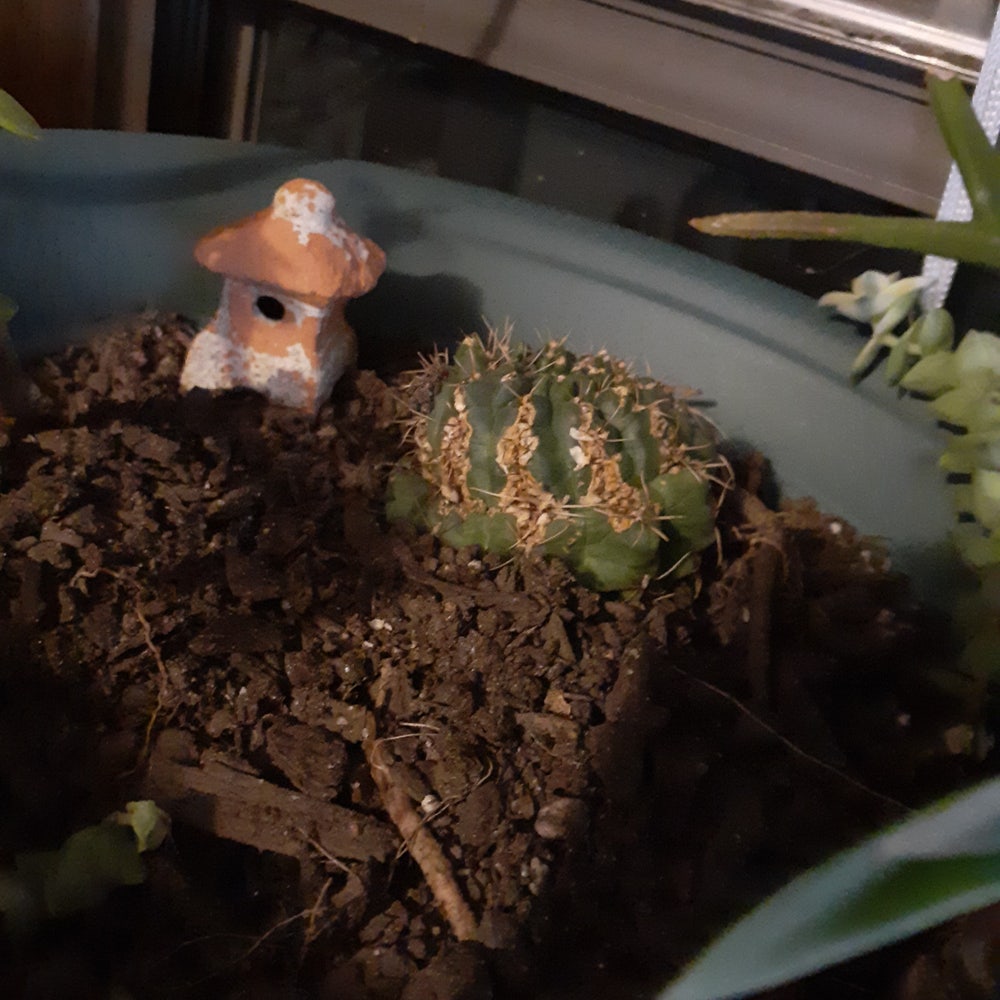
5 Tips to Save Your Echinofossulocactus palmillas from Dying
Stenocactus nova 'Palmillas'
By the Greg Editorial Team
Jul 21, 2024•7 min read
This article was created with the help of AI so we can cover more plants for you. May contain errors. See one? Report it here.
Revive your Echinofossulocactus palmillas from the brink with these essential care tips! 🌵💧
- 💧 Overwatering and underwatering can be fatal; adjust watering practices accordingly.
- ☀️🌡️ Manage light and temperature to prevent sun scorch, heat stress, and cold shock.
- 🌵 Regular checks and preventive care using apps like Greg ensure cactus health.
Watering Woes
Overwatering Symptoms
Overwatering can spell disaster for your Echinofossulocactus palmillas. Here's how to spot the trouble:
- Yellowing leaves signal the first distress call.
- A base that feels mushy to the touch is a major red flag.
- If the plant is puffier than usual, it's time to cut back on water.
To rescue your overwatered cactus:
- Let the soil dry out completely before watering again.
- Check that your pot has adequate drainage.
- Trim away any damaged roots or leaves to prevent rot.
🏜️ Underwatering Signs
Conversely, underwatering can leave your plant thirsting for care:
- Wilting or shriveled appearance indicates a need for hydration.
- Soil that's dry an inch below the surface is too parched.
To correct underwatering:
- Provide a thorough soak, ensuring even water distribution to the roots.
- Wait for the top inch of soil to dry before the next watering.
- Maintain a consistent watering schedule, adjusting for seasonal changes.
Light Level Issues
🌞 Too Much Sun
Echinofossulocactus palmillas thrive in bright light but can fall victim to sun scorch if exposed to too much direct sunlight.
- Symptoms of sun scorch include:
- Leaves with dry, crispy patches that appear bleached.
- Brown leaf tips or edges, signaling burn from intense light.
To mitigate damage, take these steps:
- Relocate the plant to an area with bright, indirect light.
- Use a sheer curtain to diffuse harsh sunlight.
- Gradually acclimate the plant to brighter conditions if necessary.
- Rotate the plant regularly to ensure even light exposure.
🌥 Insufficient Light
Inadequate light can be just as detrimental as too much sun for your Echinofossulocactus palmillas.
- Signs of insufficient light include:
- Leggy growth, with stems stretching towards the light source.
- Pale, weak leaves indicating a lack of adequate sunlight.
Improving conditions involves:
- Moving the plant closer to a window that receives steady, but not direct, sunlight.
- Considering artificial lighting, such as fluorescent or LED grow lights, to supplement natural light.
- Adjusting the watering schedule to match the reduced light intake—less light means less water needed.
Temperature Troubles
🔥 Heat Stress
Heat stress can turn your Echinofossulocactus palmillas into a wilted shadow of its former self. Look for signs like:
- Sunburn, which shows up as discolored, bleached patches on the stem.
- Dehydration, making the cactus appear shriveled and wrinkled.
To combat heat stress:
- Monitor temperatures closely, using a thermometer to ensure your cactus isn't baking.
- Create shade during peak sunlight hours with a sheer curtain or relocate the plant to a cooler area.
- Adjust watering to compensate for increased thirst in higher temperatures, but avoid overwatering.
❄️ Cold Shock
Conversely, cold shock can be just as detrimental. Symptoms include:
- Dark, mushy spots on the plant, indicating frost damage.
- A general limp appearance, as if the plant is too cold to maintain its structure.
To protect against cold shock:
- Insulate your cactus during colder months by moving it away from drafty windows or using protective covers.
- Maintain a stable temperature, ideally between 62 to 67°F (17 to 19°C) at night, to prevent shock from sudden drops.
- Consider using grow lights or a small heater to keep the ambient temperature consistent, especially in climates that are more tundra than desert.
Pests and Diseases
Fighting Pests
🐜 Echinofossulocactus palmillas, like any plant, can fall victim to pest invasions.
- Common pests include:
- Aphids
- Spider mites
- Whiteflies
- Mealybugs
To identify an infestation, look for:
- Sticky residue on leaves, known as honeydew, which is excreted by aphids.
- Fine webs on the plant, indicating spider mites.
- Tiny white insects fluttering around when the plant is disturbed, a sign of whiteflies.
- Cotton-like clumps that signal mealybugs.
Effective treatments involve:
- Physically removing pests with a strong water spray or a damp cloth.
- Applying insecticidal soap or neem oil, which act as organic deterrents.
- Introducing beneficial insects like ladybugs that prey on aphids and mites.
Combating Diseases
🛡️ Diseases can be trickier to manage but are not insurmountable with the right approach.
Signs of disease include:
- Powdery mildew, presenting as a white, powdery coating on leaves.
- Rust, which looks like rust-colored spots on foliage.
- Black rot and blight, causing dark, decayed areas on the plant.
To combat these diseases:
- Isolate the affected plant to prevent spread to others.
- Increase air circulation around the plant.
- Remove and destroy infected plant parts.
- Use fungicides labeled for the specific disease, following the manufacturer's instructions.
Preventive measures are crucial:
- Regularly inspect your Echinofossulocactus palmillas for early signs of pests and diseases.
- Ensure proper watering and avoid wetting the foliage to reduce fungal infections.
- Sterilize tools and pots to prevent the spread of pathogens.
- Use the Greg plant care app to schedule routine checks and care reminders.
Root and Leaf Care
🌱 Root Rot Rescue
Root rot in Echinofossulocactus palmillas often goes unnoticed until it's severe. To diagnose, gently remove your plant from its pot and inspect the roots. Healthy roots are firm and white, while rotting roots are brown, soft, and may smell foul. If root rot is confirmed, follow these steps:
- Trim the Damage: Use sterilized scissors to cut away the affected roots. Be thorough to prevent the rot from spreading.
- Repot with Care: Choose a clean pot and fresh, well-draining soil. This gives your plant a new environment free from pathogens.
- Adjust Watering: Water sparingly to avoid moisture buildup. Ensure the soil dries out between waterings to help recovery.
🍃 Leaf Health
Yellowing or fuzzy growth on leaves can indicate several issues. Here's how to address them:
- Yellow Leaves: Often a sign of overwatering or poor drainage. Improve soil composition and adjust your watering schedule.
- Fuzzy Growth: Could be a sign of pest infestation or fungal disease. Inspect closely and treat with insecticidal soap or fungicide if necessary.
- Preventive Measures: Regularly clean leaves and provide proper air circulation to prevent these issues. Use the Greg app to keep track of care routines.
Growth Guidance
🌱 Encouraging Healthy Growth
Echinofossulocactus palmillas, like any plant, can exhibit growth issues such as legginess, etiolation, or lack of fruiting. Here's how to tackle these problems:
Legginess and Etiolation: These are signs your cactus is stretching for light.
- Relocate your plant to a spot with more sunlight, ensuring it receives bright, indirect light for most of the day.
- Consider using grow lights if natural light is insufficient, placing them as recommended by the manufacturer.
- Regularly rotate your plant to ensure even light distribution, preventing one-sided growth.
Lack of Fruiting: This can be due to nutritional imbalances or insufficient pollination.
- Avoid over-fertilizing with nitrogen-heavy feeds, as this encourages foliage over fruit.
- Ensure the plant has access to pollinators if outdoors, or pollinate manually if kept indoors.
🔄 Correcting Growth Direction
Leaning or misshapen Echinofossulocactus palmillas can be corrected with a few adjustments:
Leaning Plants: Often a result of uneven light exposure.
- Rotate your plant periodically to encourage straight growth.
- If the lean is severe, gently stake the plant to guide it upright.
Misshapen Growth: Pruning can help reshape your cactus.
- Trim back any awkwardly growing stems, making cuts above a node or leaf joint.
- This will not only improve the plant's shape but also encourage denser growth.
Preventive Practices
Routine Checks
Routine checks are the unsung heroes of plant care. They're your first line of defense against the myriad issues that can besiege your Echinofossulocactus palmillas. By keeping a vigilant eye, you can spot early signs of distress—be it yellowing leaves or a suspicious limpness—and act before they escalate.
- Look for browning tips or any sudden change in the plant's appearance.
- Note the plant's response to adjustments in care, like watering frequency or light exposure.
📅 Using Greg for Care Scheduling
In the digital age, apps like Greg are akin to a personal assistant for your plants. They simplify the task of remembering when to water, fertilize, or rotate your Echinofossulocactus palmillas, ensuring you never miss a beat in your plant care routine.
- Set watering reminders to avoid the perils of over or underwatering.
- Track the health of your plant over time, making it easier to adjust care as needed.
⚠️ Safety First
This content is for general information and may contain errors, omissions, or outdated details. It is not medical, veterinary advice, or an endorsement of therapeutic claims.
Always consult a qualified healthcare professional before using any plant as food, medicine, or supplement.
Never eat any plant (or feed one to pets) without confirming its identity with at least two trusted sources.
If you suspect poisoning, call Poison Control (800) 222-1222, the Pet Poison Helpline (800) 213-6680, or your local emergency service immediately.
Spotted an error? Please report it here.
Avoid the perils of over and underwatering and keep your Echinofossulocactus palmillas resilient 🌵 with Greg's tailored watering reminders and care tips!