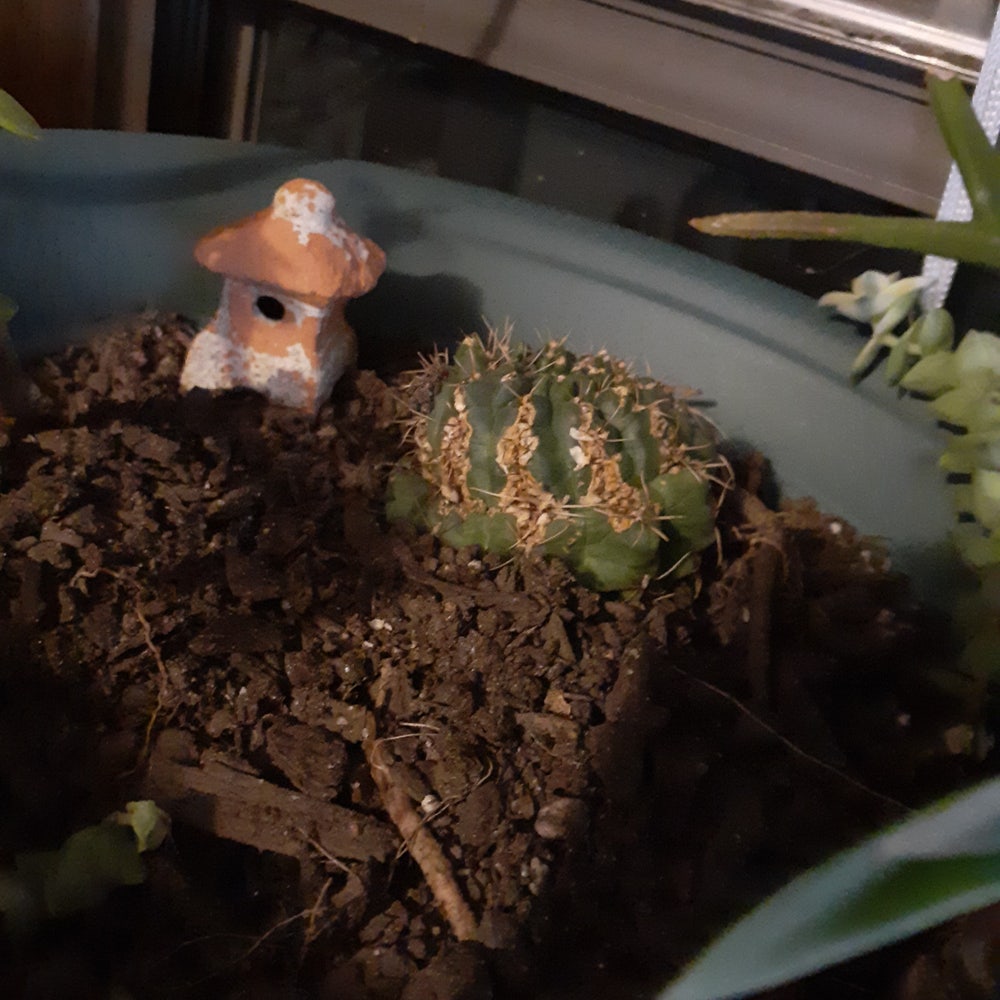
Should I Repot My Echinofossulocactus palmillas?
Stenocactus nova 'Palmillas'
By the Greg Editorial Team
Feb 29, 2024•4 min read
This article was created with the help of AI so we can cover more plants for you. May contain errors. See one? Report it here.
Discover how to rejuvenate your cactus 🌵 and master the art of perfect repotting timing!
- 🌵 Repot when root-bound or if you notice stunted growth.
- Choose the right pot and soil; terracotta with drainage is best.
- Post-repot care is crucial; adjust watering and monitor for stress.
When to Give Your Cactus a New Home
🌵 Spotting the Telltale Signs
Root-bound symptoms are your cactus's way of saying, "I need more space!" If roots are poking out of the drainage holes or circling the pot's base, it's time to act. Overly rapid soil drying after watering is another red flag.
Water drainage issues can be a death sentence for cacti. If water zips through the pot like it's on a mission, your cactus's roots are likely too cramped to hold onto any moisture.
Stunted growth is more than an aesthetic issue; it's a sign of distress. A cactus that's more top than pot is not just quirky—it's a cry for a new home.
🌸 Seasonal Smarts for Repotting
The best times to repot are during your cactus's growth spurts. Spring is prime time, as new spines or buds signal an active growth phase. Missed the boat? Early fall offers a second chance before winter dorm
The Repotting Rodeo: A Step-by-Step Guide
🛠️ Prepping Your Workspace and Tools
Gather your repotting arsenal: a new pot, cactus mix, trowel, snips, and a watering can. Safety gloves are non-negotiable—those spines don’t play nice. Clear your space; a clutter-free zone prevents accidents.
🌵 The Main Event: Repotting Your Echinofossulocactus
Removing the Cactus
Tilt and tap the pot to encourage your Echinofossulocactus out. If it's stubborn, gently squeeze the pot or use a chopstick through the drainage hole. Once out, brush off old soil and inspect the roots for damage.
Choosing Soil and Pot
Select a pot 2 inches larger in diameter with drainage holes. Use a well-draining cactus mix; your plant's roots despise soggy conditions. Ensure the pot complements your cactus both in size and style.
Planting and Initial Aftercare
Place a layer of soil in the new pot, then position your cactus. Backfill gently—no soil compacting. Water once deeply, then wait for the soil to dry completely before the next watering. This helps prevent root rot and eases your cactus into its new home.
Picking the Perfect Pot
🏺 Pros and Cons of Different Materials
Terracotta, plastic, and ceramic are the main contenders in the pot material showdown. Terracotta is like the reliable old friend who breathes easy, letting excess moisture escape and keeping roots happy. But it's heavy, so think twice if you love to redecorate. Plastic is the lightweight, water-retaining option, perfect for the forgetful waterers but a potential swamp for overzealous ones. Ceramic pots are the stylish middle child, less porous than terracotta but more breakable.
🚫 What to Avoid
Glass and metal pots are the outcasts here; they're the root-suffocating, heat-trapping bullies of the pot world. Drainage holes are a must-have feature, non-negotiable. If your dream pot lacks them, grab a drill or let it go. Your cactus's life depends on it. Avoid pots that are too large, as they can drown your cactus in soil and sadness.
After the Repot: Ensuring a Smooth Transition
🌵 Post-Repot Care
Adjusting the watering schedule is crucial after repotting your Echinofossulocactus palmillas. Begin with a thorough watering about a week after the repot, then let the soil approach aridity before the next drink. This careful hydration helps prevent root rot and eases your cactus into its new environment.
Monitoring for signs of stress is like being a plant detective. Look out for discoloration, drooping, or any unusual changes. These could signal shock or an unmet need in your cactus’s care regimen.
🌱 Long-Term Success Tips
Fertilization should be on pause post-repot. Give it a month before you introduce a balanced, slow-release fertilizer to encourage growth without overwhelming your cactus.
Early detection of potential issues can save you a lot of trouble. Keep an eye out for pests, which are attracted to stressed plants, and act swiftly if they appear. Consistent care and patience will pave the way for your Echinofossulocactus palmillas to thrive in its new home.
⚠️ Safety First
This content is for general information and may contain errors, omissions, or outdated details. It is not medical, veterinary advice, or an endorsement of therapeutic claims.
Always consult a qualified healthcare professional before using any plant as food, medicine, or supplement.
Never eat any plant (or feed one to pets) without confirming its identity with at least two trusted sources.
If you suspect poisoning, call Poison Control (800) 222-1222, the Pet Poison Helpline (800) 213-6680, or your local emergency service immediately.
Spotted an error? Please report it here.
Repot your echinofossulocactus with confidence and let Greg personalize 🌵 your post-repotting care for unbeatable growth and health!