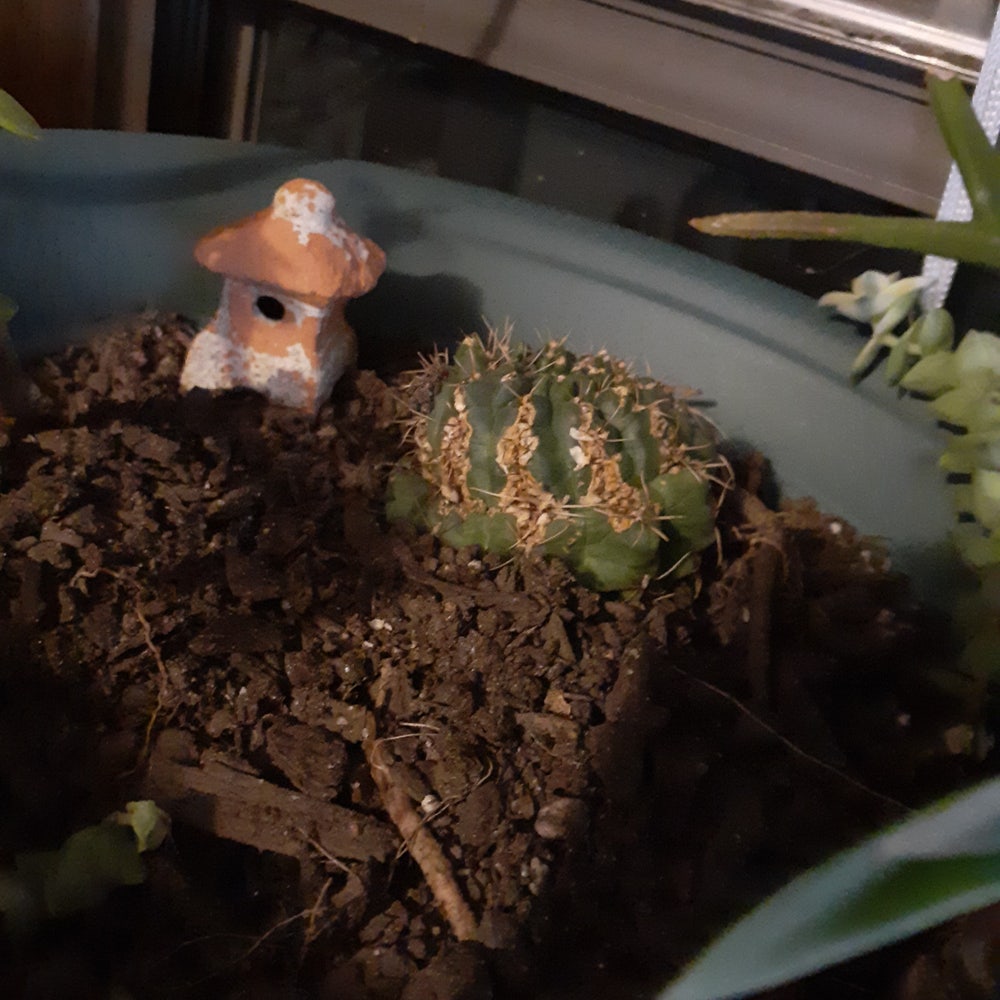
Echinofossulocactus Palmillas Yellow Leaves
Stenocactus nova 'Palmillas'
By the Greg Editorial Team
Mar 02, 2024•4 min read
This article was created with the help of AI so we can cover more plants for you. May contain errors. See one? Report it here.
Unearth the secret to banishing yellow leaves 🍂 and keep your Echinofossulocactus palmillas gloriously green! 🌵
- 🌵 Yellow leaves signal distress in Echinofossulocactus palmillas; watch for gradual changes.
- 💧🌞 Balance water and light; too much or too little of either can cause yellowing.
- 🌱 Use well-draining soil and check moisture before watering to prevent issues.
Spotting Trouble: Identifying Yellow Leaves
🟡 Visual Cues: The Yellow Flag
Yellowing leaves on Echinofossulocactus palmillas are your plant's SOS. When the once vibrant green takes a turn for the yellow, it's not just losing color—it's signaling distress. New growth turning yellow is particularly alarming, as it suggests an underlying health issue rather than natural aging.
🕰 Timing and Progression: The Yellowing Timeline
Yellowing doesn't just pop up overnight. It's a gradual shift, where leaves lose their luster over time. Pay attention to how the yellowing unfolds; is it a leaf here and there, or is your cactus waving a full-on yellow flag? Uniform yellowing often points to watering mishaps or nutrient needs, while spotting mainly on the tips or edges could hint at less severe issues. But don't be complacent—early signs can quickly escalate.
The Usual Suspects: Common Causes of Yellow Leaves
💧 Overwatering vs. Underwatering: Striking the Right Balance
Signs of Water Distress
Yellow leaves on your Echinofossulocactus palmillas might be shouting overwatering if they're limp and mushy. Conversely, leaves that look as parched as a desert landscape could be crying out for water. Dry soil and wilting are your clues here.
The Root of the Problem: How Roots React to Water Issues
Roots suffering in soggy soil may begin to rot, emitting a musty smell as a distress signal. On the flip side, roots in dry soil can't deliver the goods, leaving your cactus as thirsty as a marathon runner without a water station.
🌱 Soil and Drainage: The Foundation of Health
Soil Composition Woes
If your cactus is turning yellow, it could be stuck in a soil mix that's more clay-heavy than a pottery studio. The right mix should be as light and airy as a soufflé, allowing roots to breathe.
Drainage Dilemmas and Their Role in Discoloration
Poor drainage is like a bad roommate for your cactus, leading to waterlogged roots that can't escape. Ensure your pot has drainage holes that actually do their job, letting excess water run away like it's late for a very important date.
☀️ Light Exposure: Finding the Sweet Spot
Too Much Sun: When Echinofossulocactus Palmillas Gets Sunburned
Think of your cactus as a beachgoer who skipped the sunscreen. Too much direct sunlight can cause leaves to sport a sunburned yellow. It's a fine line between a healthy tan and a burn.
Not Enough Light: The Pale Side of Echinofossulocactus Palmillas
Without enough light, your cactus might as well be a ghost, turning a pale, sickly yellow. It's craving those rays like a cat chasing a sunbeam, so give it the light it needs without overdoing it.
Turning Over a New Leaf: Fixing Yellow Leaves
💧 Water Wisdom: Fine-tuning your watering routine
Checking soil moisture before watering is a must. If the top inch feels dry, it's time to water. But remember, less is more in winter, and summer thirst is real. Adjust your watering frequency with the seasons; your cactus's life depends on it.
🌱 Soil and Drainage Solutions: Creating the perfect home
Upgrade to a well-draining soil mix to prevent waterlogging. Think of it as giving your plant's roots a breath of fresh air. Enhancing aeration is crucial; add perlite or pumice to keep the soil loose. Ensure pots have drainage holes—no holes, no hope.
☀️ Light Adjustments: Illuminating the path to recovery
Shifting positions can save your cactus from too much sun. If leaves start to pale, find a spot with bright, indirect light. Use shades or filters to protect your Echinofossulocactus palmillas from harsh rays—think of it as sunscreen for your spiky friend.
Prevention: Keeping the Leaves Green
🛡️ Proactive Care Tips
Vigilance is your first line of defense against yellow leaves. Inspect your Echinofossulocactus palmillas regularly, looking for any early signs of stress. Adjust care routines with the changing seasons—less water in the cooler months, a bit more during the heat of summer.
🩺 Regular Check-Ups
Think of plant check-ups as a health monitor; they're essential for catching issues before they escalate. Keep an eye out for pests or any changes in leaf texture or color that might indicate a problem.
🚨 When to Seek Help
If your cactus is sending out distress signals with persistent yellowing, it's time to consult a cactus expert. They can provide tailored advice and help you nip any issues in the bud, ensuring your plant stays in tip-top shape.
⚠️ Safety First
This content is for general information and may contain errors, omissions, or outdated details. It is not medical, veterinary advice, or an endorsement of therapeutic claims.
Always consult a qualified healthcare professional before using any plant as food, medicine, or supplement.
Never eat any plant (or feed one to pets) without confirming its identity with at least two trusted sources.
If you suspect poisoning, call Poison Control (800) 222-1222, the Pet Poison Helpline (800) 213-6680, or your local emergency service immediately.
Spotted an error? Please report it here.
Keep your Echinofossulocactus palmillas thriving 🍃 by using Greg to tailor watering and sunlight, ensuring no more yellow leaves.