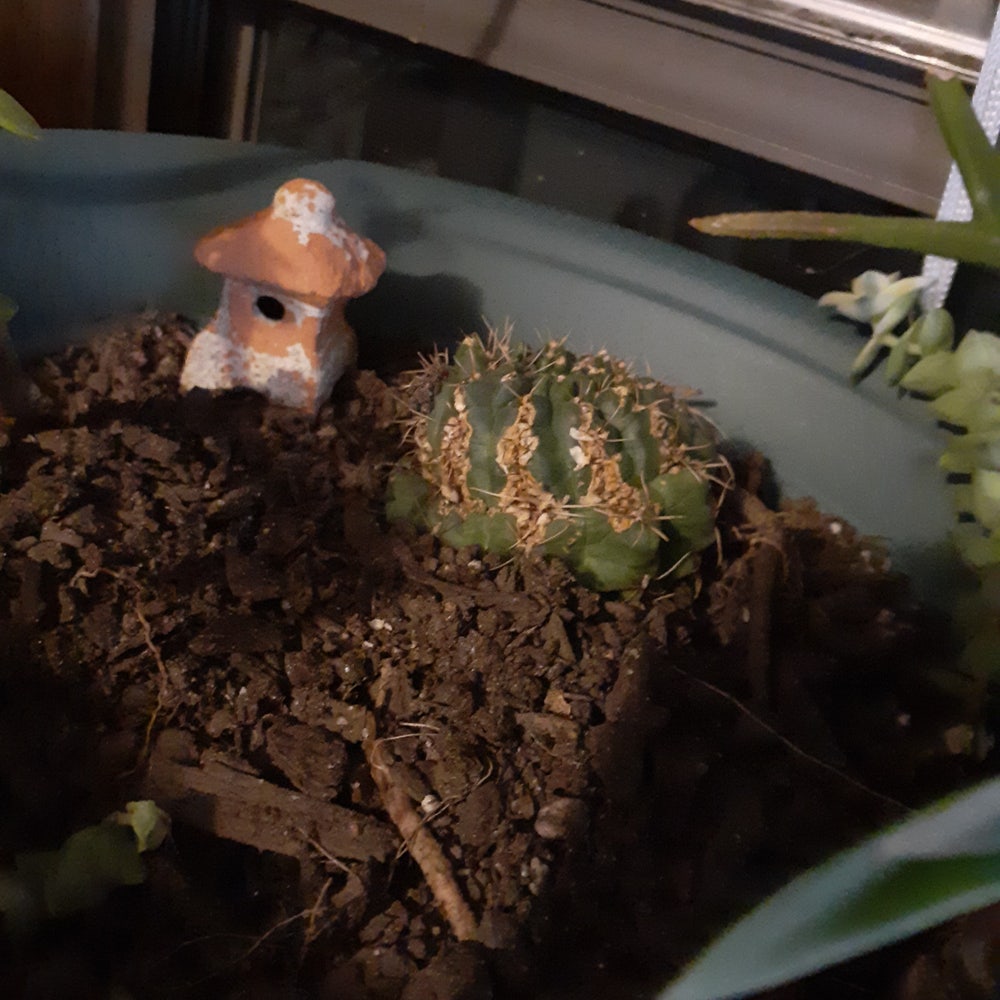
💧 Why Are My Echinofossulocactus palmillas Leaves Mushy?
Stenocactus nova 'Palmillas'
By the Greg Editorial Team
Feb 29, 2024•4 min read
This article was created with the help of AI so we can cover more plants for you. May contain errors. See one? Report it here.
Rescue your cactus from mushy peril 🌵 with key insights on overwatering and root rot solutions!
- 🚱 Overwatering? Soggy soil and discolored leaves are warning signs.
- 🍄 Fungal infections show as discoloration and decay; use fungicides and airflow adjustments.
- 🌵 Root rot? Act fast, remove decayed parts, and repot in well-draining soil.
When Too Much Love Drowns: Overwatering Woes
🚰 Spotting the Signs of Overwatering
Soggy soil and discolored leaves are the red flags of overwatering. Before you drown your Echinofossulocactus palmillas in affection, check for waterlogged soil that refuses to dry out.
Leaf discoloration—think yellow and brown patches—is like a distress signal from your cactus. A musty soil smell? That's your plant's cry for help.
Turning Down the Tap
Adjust your watering routine like you're tuning a guitar—gently and with precision. Your cactus isn't a fish; it doesn't need to swim.
Use tools like moisture meters or the classic finger test to ensure the soil moisture is just right—aim for damp, not a swamp. Remember, when in doubt, let the cactus pout; it's better to underwater than overdo it.
Root of the Problem: Tackling Root Rot
🍄 Recognizing Root Rot
Root rot in Echinofossulocactus palmillas is like a stealthy invader; it's there before you know it. Mushy roots, discoloration, and a foul smell are the tell-tale signs. If your cactus is looking more wilted than a forgotten salad, it's time for a root inspection.
🦠 Saving Your Cactus from the Rot
If you suspect root rot, act fast. Gently remove your cactus from its pot and examine the roots. Healthy roots are firm and white, while rotten ones are anything but. Snip off the affected areas with sterilized shears—think of it as a precision strike against the rot.
After the operation, give your cactus a fresh start in new, well-draining soil. Ensure the pot has drainage holes to rival Swiss cheese. Watering discipline is now your mantra; water only when the soil is dry, and even then, go easy. It's like you're the cactus's personal hydration coach, not a rain god.
Keep a close eye on your spiky friend post-surgery. If it perks up, you're on the right track. If not, be ready to adjust your care strategy. Remember, each cactus has its own set of needs, so stay flexible and attentive.
Fungus Among Us: Dealing with Fungal Infections
🍄 Identifying Fungal Foes
Fungal infections in Echinofossulocactus palmillas are the unwanted guests that turn vibrant cacti into mushy messes. Discoloration, fuzzy growths, and a general appearance of decay are the red flags. If your cactus is sporting more spots than a dalmatian, it's time to diagnose and act.
🌿 Fungicide to the Rescue
Choosing the right fungicide is like picking a knight to defend your castle. Look for products containing potassium bicarbonate or other cactus-friendly ingredients. Using them is straightforward: follow the label to the letter and only apply where necessary.
Remember, the environment is a petri dish for problems. Adjusting humidity and airflow can be as effective as the fungicide itself. Introduce a fan to keep air moving and make your cactus less of a fungal paradise. Keep the surroundings clean to prevent spore squatting.
Bug Off! Preventing Pests and Diseases
🐛 Unwanted Guests: Spotting Pests and Disease
Echinofossulocactus palmillas, like any cactus, can fall victim to pests and diseases. Spider mites may spin their fine webs, while scale insects and mealybugs suck the life out of your spiky friend. Fungal foes aren't far behind, with their signature brown spots and rot.
🛡️ Integrated Defense Strategies
Vigilance is your plant's personal bodyguard. Regularly inspect for pests—think of it as a covert op to protect your cactus. If invaders are spotted, isolate the patient. It's tough love but necessary.
For pests, insecticidal soap and neem oil are your frontline soldiers. Fungicides step in against fungal infections, but don't rely on them alone. Ensure good drainage and avoid wet leaves to shield your plant.
Embrace integrated pest management (IPM). Combine cultural strategies like cleanliness with biological warriors like ladybugs. Chemical controls are a last resort. Remember, prevention beats cure—keep your cactus's environment stable and its soil just right to deter pests and diseases.
⚠️ Safety First
This content is for general information and may contain errors, omissions, or outdated details. It is not medical, veterinary advice, or an endorsement of therapeutic claims.
Always consult a qualified healthcare professional before using any plant as food, medicine, or supplement.
Never eat any plant (or feed one to pets) without confirming its identity with at least two trusted sources.
If you suspect poisoning, call Poison Control (800) 222-1222, the Pet Poison Helpline (800) 213-6680, or your local emergency service immediately.
Spotted an error? Please report it here.
Turn mushy leaves into a thing of the past by mastering 🌵 your Echinofossulocactus care with Greg's tailored watering reminders, ensuring a healthy, rot-free plant.