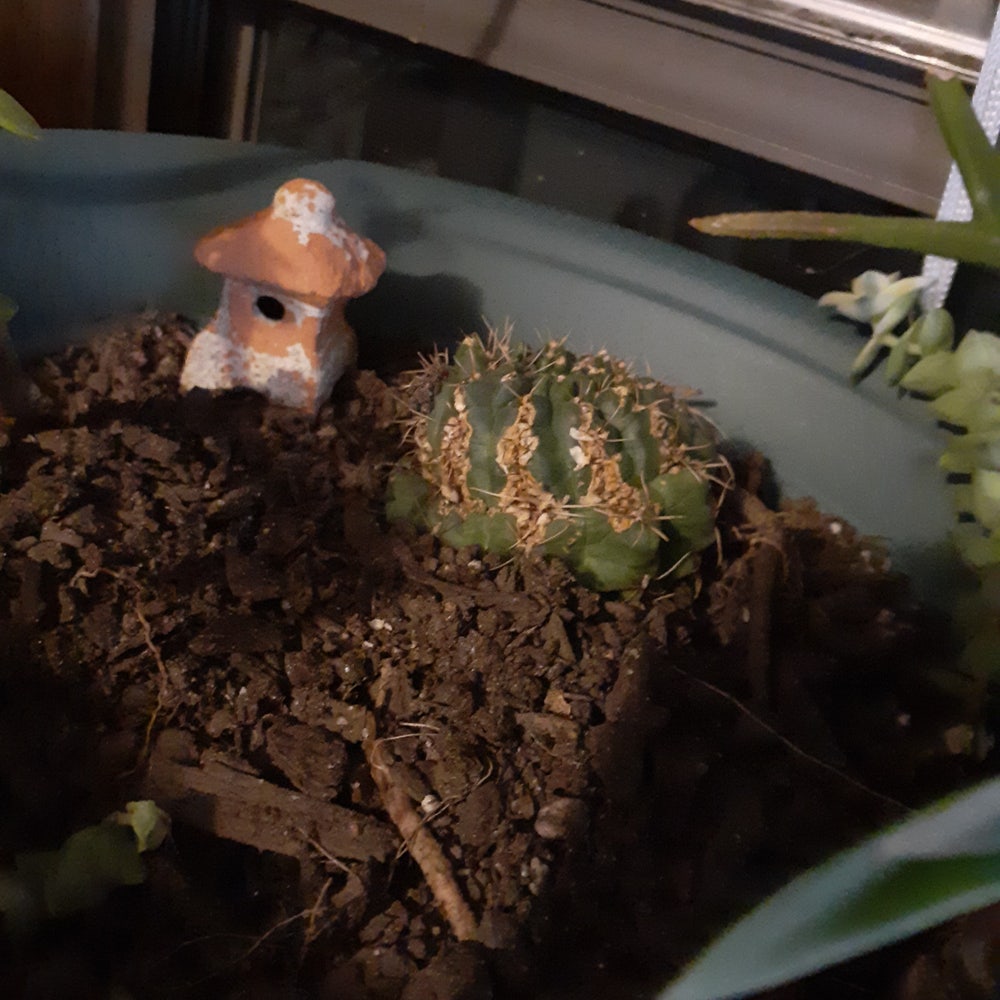
Echinofossulocactus palmillas - Fertilizing 101
Stenocactus nova 'Palmillas'
By the Greg Editorial Team
Feb 29, 2024•4 min read
This article was created with the help of AI so we can cover more plants for you. May contain errors. See one? Report it here.
Nurture a thriving cactus 🌵 with the ideal low-N, high-PK fertilizer strategy—timing is key!
- Low-N, high-PK fertilizer boosts root and flower health in Echinofossulocactus.
- 🌵 Fertilize in growth cycles, avoid during dormancy to prevent overfeeding.
- Dilute and apply carefully to avoid root burn and over-fertilization symptoms.
Picking the Right Fertilizer for Your Spiky Friend
💡 Understanding the N-P-K Ratio
Echinofossulocactus palmillas has specific nutritional needs. A low nitrogen (N) content is key, as high levels can lead to excessive green growth, which isn't ideal for a cactus. Instead, focus on fertilizers with higher phosphorus (P) and potassium (K) values. Phosphorus encourages healthy root and flower development, while potassium boosts the plant's overall resilience and water efficiency. Look for an N-P-K ratio that downplays nitrogen—something like a 5-10-10 blend is a solid choice.
🍽️ Cactus-Specific vs. General Fertilizers
When it comes to feeding your Echinofossulocactus palmillas, you're faced with a choice: specialized cactus fertilizers or the all-purpose stuff. Cactus-specific options are formulated with the desert dwellers in mind, boasting the low-N, high-PK combo that cacti crave. General fertilizers can work, but they're the jack-of-all-trades—adequate, but not exceptional. They often contain higher nitrogen levels, which might lead to a cactus more suited to a jungle than a desert. If you're after those vibrant blooms and a sturdy plant, investing in a cactus-specific fertilizer is the way to go.
Timing is Everything: When to Fertilize
🌱 Growing Season Galore
To get the timing right for fertilizing your Echinofossulocactus palmillas, align with its growth cycles. Spring and summer are when your cactus is in beast mode, soaking up nutrients and expanding its spiky girth. This is your cue to fertilize, but don't go overboard—once a month is your mantra.
🛌 The Dormant Phase
When the air gets nippy and the days shorten, your cactus is basically binge-watching Netflix—it's dormant season. Hold off on the fertilizer; it's not going to do anything but take up space. Your cactus is on a break, and so should your fertilizing routine be.
Fertilizing Step-by-Step: Avoiding the Burn
💧 The Dilution Solution
Dilution is not just a fancy term; it's a critical step in fertilizing your Echinofossulocactus palmillas. To prevent the dreaded root burn, mix your liquid fertilizer with water, typically at a half-strength ratio, unless the product label directs otherwise. Apply this mixture to moist soil, never dry, to avoid shocking the roots. If you're using granular fertilizer, sprinkle it lightly then water immediately to help the nutrients disperse without overwhelming the plant.
Frequency and Dosage
When it comes to fertilizing frequency, think of it as a seasonal rhythm. Start in early spring and continue through fall, aligning with the cactus's natural growth cycle. A thrice-a-season approach works well, but always err on the side of caution. Over-fertilization is like an all-you-can-eat buffet for your cactus—too much of a good thing is just too much. Follow the label for dosage instructions, and when in doubt, underdo it. Sprinkle evenly around the plant's base, avoiding direct contact with the stem, and always water after applying to aid in nutrient absorption.
Spotting Trouble: Signs of Over-Fertilization
🚨 Troublesome Symptoms
Yellowing or browning tips on your cactus? Nutrient burn might be the culprit. Over-fertilization can lead to a host of issues, including discoloration, wilting, and even stunted growth. A white, crusty layer of salt on the soil's surface is a telltale sign that you've gone overboard with the plant food.
🛠️ The Recovery Plan
Caught in the act of over-fertilizing? Immediate action is needed. First, remove any visible fertilizer from the soil to prevent further nutrient uptake. Then, flush the soil with water to leach out the excess—think of it as hitting the reset button. If you're dealing with a potted plant, consider replacing the top layer of soil or repotting entirely. Pruning damaged areas can help your cactus conserve energy for recovery. Remember, patience is key; give your spiky friend some time to bounce back.
⚠️ Safety First
This content is for general information and may contain errors, omissions, or outdated details. It is not medical, veterinary advice, or an endorsement of therapeutic claims.
Always consult a qualified healthcare professional before using any plant as food, medicine, or supplement.
Never eat any plant (or feed one to pets) without confirming its identity with at least two trusted sources.
If you suspect poisoning, call Poison Control (800) 222-1222, the Pet Poison Helpline (800) 213-6680, or your local emergency service immediately.
Spotted an error? Please report it here.
Nurture your Echinofossulocactus palmillas to perfection with Greg's seasonal reminders 🌵, ensuring it gets just the right nutrients when it needs them.