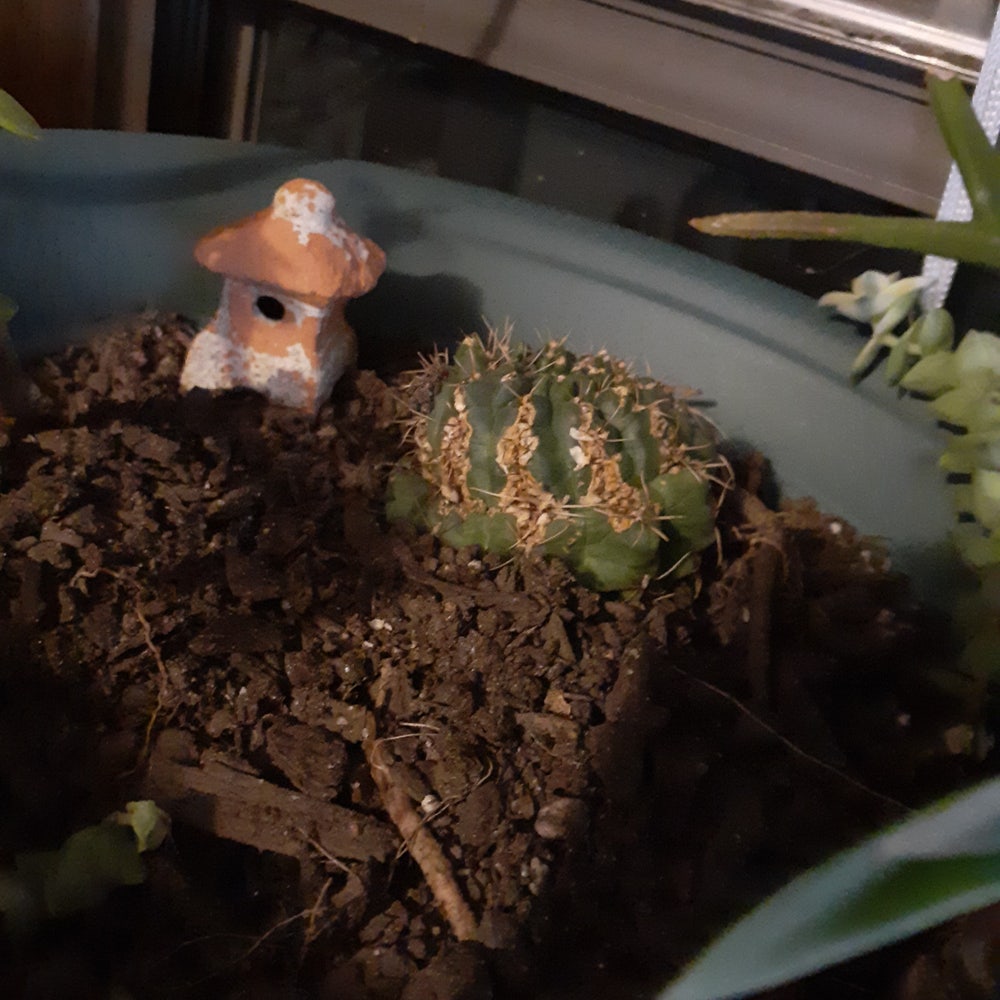
How to Prune Echinofossulocactus palmillas
Stenocactus nova 'Palmillas'
By the Greg Editorial Team
Mar 08, 2024•3 min read
This article was created with the help of AI so we can cover more plants for you. May contain errors. See one? Report it here.
Achieve a thriving, stylish Echinofossulocactus palmillas with our essential pruning tips for health and beauty 🌵✨.
- Prune in spring/early summer for best healing and growth.
- 🌵 Use the right tools: sharp shears for precision, gloves for safety.
- Pruning enhances health and beauty, removing dead parts and shaping.
Best Times to Get Snippy
🌱 Seasonal Timing
Spring and early summer are the golden windows for pruning Echinofossulocactus palmillas. This timing is in sync with the cactus's growth spurt, fostering optimal healing and robust regrowth. Pruning during the dormant season or the scorching peak of summer can stress the plant, potentially stunting its development.
🌵 Plant Lifecycle Considerations
The plant's age and growth stage are critical factors in pruning. Young cacti may only need light pruning to shape their form, while mature specimens can handle more extensive cuts. Always observe your cactus's lifecycle; pruning should complement its natural rhythm, not disrupt it.
Choosing Your Pruning Partners
🌵 Essential Pruning Tools
When it comes to pruning Echinofossulocactus palmillas, precision is key. Arm yourself with sharp bonsai shears for those fine, artful snips. For thicker growth, bring out the big guns: lopping shears. Safety first, though—don't forget a sturdy pair of gloves to protect your hands from spiky defenses. And cleanliness? Non-negotiable. Sterilize your tools with rubbing alcohol or a bleach solution to prevent any microbial party crashers.
🛠️ Pre-Pruning Preparations
Before you make the first cut, ensure your tools are as clean as a whistle—disinfect them to keep your cactus safe from infections. Your plant should be well-hydrated, so give it a drink if it's been a while. This isn't just about the plant's thirst; hydrated cells are more resilient to pruning stress. And remember, you're not just cutting away—you're sculpting a living piece of art. So, take a moment to visualize the desired shape before you dive in.
The Pruning Process Unveiled
🌵 Step-by-Step Pruning Guide
Pruning Echinofossulocactus palmillas is like performing delicate surgery; precision is key. Sterilize your pruning shears with rubbing alcohol to prevent infection. Begin by removing any dead or damaged segments, cutting as close to the base as possible without nicking the healthy parts. For shaping, snip above a node to encourage branching. Take a step back periodically to assess your work from different angles, ensuring a balanced appearance.
🌵 Aftercare for Your Cactus
Post-pruning, your cactus is in a recovery phase. Water it sparingly to avoid root rot—think of it as giving a small sip to a patient, not a full glass. Return it to a sunny spot, but shield it from harsh, direct sunlight that could stress the healing cuts. Watch for signs of stress such as discoloration or wilting, and be ready to adjust care accordingly. Remember, a quick recovery is often a sign of a job well done.
Pruning Goals: Health and Beauty
🌿 Removing the Unwanted
Dead or damaged parts of your Echinofossulocactus palmillas are not
⚠️ Safety First
This content is for general information and may contain errors, omissions, or outdated details. It is not medical, veterinary advice, or an endorsement of therapeutic claims.
Always consult a qualified healthcare professional before using any plant as food, medicine, or supplement.
Never eat any plant (or feed one to pets) without confirming its identity with at least two trusted sources.
If you suspect poisoning, call Poison Control (800) 222-1222, the Pet Poison Helpline (800) 213-6680, or your local emergency service immediately.
Spotted an error? Please report it here.
Ensure your Echinofossulocactus palmillas thrives with precise pruning 🌵 by following Greg's tailored reminders for the right time and care, including tool sanitation and post-trim watering.