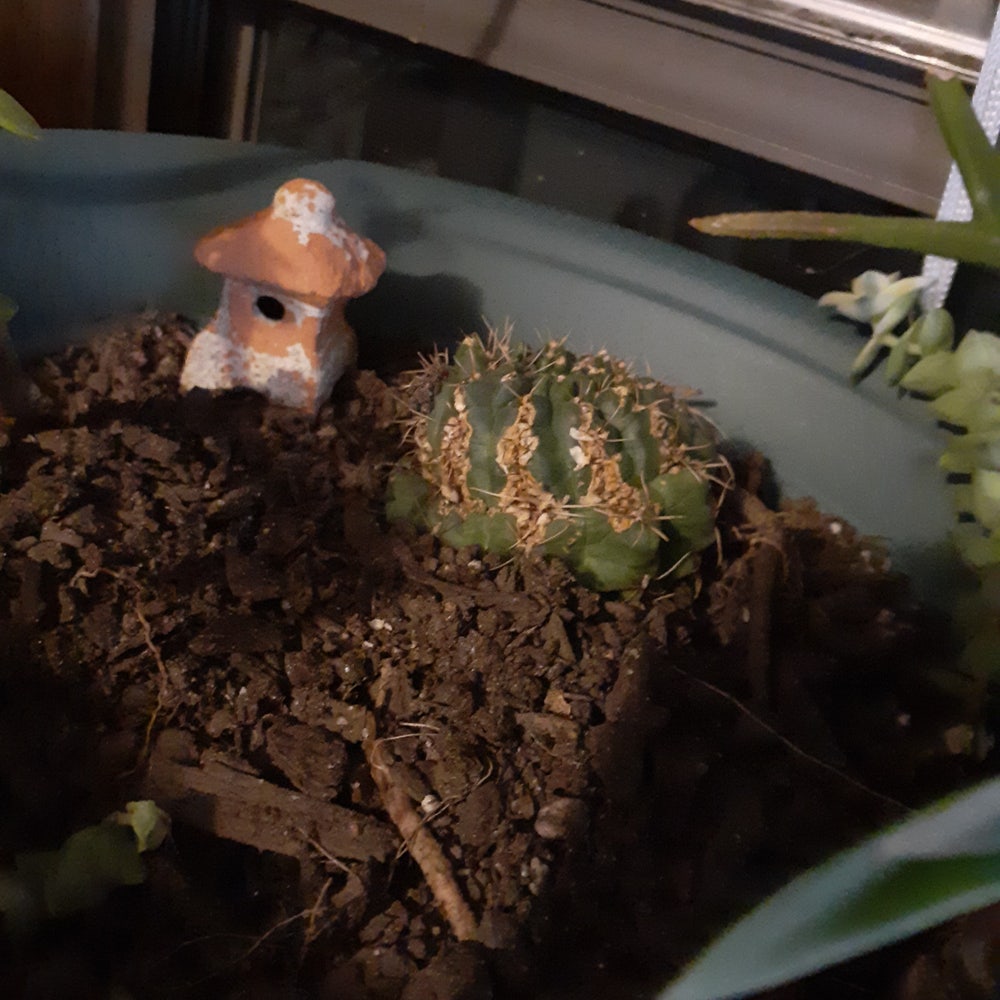
What Temperature Does My Echinofossulocactus palmillas Need?
Stenocactus nova 'Palmillas'
By the Greg Editorial Team
Mar 02, 2024•3 min read
This article was created with the help of AI so we can cover more plants for you. May contain errors. See one? Report it here.
Ensure your Echinofossulocactus palmillas flourishes by nailing the perfect temperature! 🌡️🌵
- Ideal range 70°F-80°F for active growth; down to 50°F in dormancy.
- 🌡️ Monitor with thermometers, adjust with fans, mats, and window treatments.
- Protect from extremes with insulation, shade cloth, or relocation.
Dialing in the Perfect Temperature
Echinofossulocactus palmillas thrives when temperatures are just right. During its active growth phase, it prefers the warmth of the day between 70°F to 80°F (21°C to 27°C). This range stimulates healthy growth, ensuring your cactus doesn't just survive, but flourishes.
❄️ Winter Woes
Come winter, the cactus enters a dormant state, and its temperature needs shift. It can withstand cooler temperatures, but should not be exposed to anything below 50°F (10°C). This lower threshold helps it conserve energy without risking cold damage.
☀️ Summer Lovin'
In the heat of summer, Echinofossulocactus palmillas can handle temperatures slightly higher than its ideal range. Up to 90°F (32°C) is tolerable, especially when the plant is well-hydrated and has adequate airflow. This bit of summer stress can even encourage more vibrant blooms.
When Things Get Too Hot or Too Cold
Spotting Trouble
When your cactus is stressed by temperature extremes, it'll show. Look for signs like discoloration or wilting—these are distress signals from your spiky friend.
The Usual Suspects
Drafts and proximity to heat sources are often the culprits of temperature stress. They create microclimates that can swing from Arctic chills to Sahara blasts in a matter of inches.
Quick Fixes
If your cactus is overheating, provide shade or move it to a cooler spot. For cold stress, consider insulating the pot or relocating to a warmer area. Remember, changes should be gradual to avoid shocking the plant.
Protecting Your Cactus from Extreme Temperatures
🧤 Insulation Tactics
Cold snaps are the kryptonite of Echinofossulocactus palmillas. To combat this, think of insulation as your cactus's personal winter coat. Wrap it up with insulating materials or use a plant heat mat to keep the chill at bay. But remember, keep it away from direct heat sources like heaters to avoid stressing it out.
🌡 Beat the Heat
When the mercury rises, your cactus can feel like it's baking in an oven. Shade cloth or a temporary relocation can save the day. For those planted in gardens, a bit of shade during peak sun can prevent a cactus cook-off. Indoors, use sheer curtains to soften the blow of direct sunlight.
💦 The Humidity Factor
Humidity and temperature are like an old married couple; they bicker but can't live without each other. In a dry home, a cool-mist humidifier can give your cactus a little humidity hug without making it too steamy. Just keep the watering can at bay during cold spells – no one likes wet socks, especially not your cactus.
Monitoring and Adjusting Temperatures
🌡️ Tools of the Trade: Using Thermometers and Thermostats for Precise Control
Precision is your cactus's best friend when it comes to temperature. A reliable thermometer is non-negotiable; it's the eyes and ears for your plant's comfort. For the tech enthusiasts, digital thermometers or sensors can track temperature changes over time, ensuring no sneaky heat wave or cold snap goes unnoticed. Think of a thermostat as the plant's personal climate coach, keeping the environment in the optimal range.
🌡️ Making Adjustments: When and How to Tweak Temperatures for Optimal Cactus Health
Your cactus doesn't appreciate surprises. Monitor temperatures like a hawk and be ready to act. If it's too hot, a fan can be your cactus's summer breeze. Too cold? Heating mats are like warm embraces for those chilly roots. And remember, the right window treatment can be a game-changer for insulation. Adjust your cactus's position within your home to dodge drafts or scorching sunbeams. It's all about creating a stable, cactus-friendly oasis where the thermometer rarely wavers from that sweet spot.
⚠️ Safety First
This content is for general information and may contain errors, omissions, or outdated details. It is not medical, veterinary advice, or an endorsement of therapeutic claims.
Always consult a qualified healthcare professional before using any plant as food, medicine, or supplement.
Never eat any plant (or feed one to pets) without confirming its identity with at least two trusted sources.
If you suspect poisoning, call Poison Control (800) 222-1222, the Pet Poison Helpline (800) 213-6680, or your local emergency service immediately.
Spotted an error? Please report it here.
Ensure your Echinofossulocactus palmillas flourishes 🌵 by using Greg to monitor and adjust temperatures, safeguarding it from the stress of seasonal changes!